
Many homeowners overlook filter care because it seems straightforward or infrequent, leading to the assumption that filters last longer than they actually do. You might forget to check or replace filters, especially if there are no obvious signs of trouble. Misunderstanding the importance of routine upkeep also plays a role. If you keep ignoring these small tasks, your appliances won’t perform well, and indoor air quality can decline. Want to uncover simple ways to stay on top of filter maintenance?

Get cleaning gear delivered free with Prime
- Fast, free delivery on millions of items
- Prime Video, Amazon Music and more included
- Member-only deals all year
Key Takeaways
- Many homeowners underestimate the importance of regular filter maintenance, assuming filters last longer than they actually do.
- The routine nature of filter checks can lead to neglect, especially if no immediate performance issues are noticed.
- Lack of awareness about signs of filter wear causes homeowners to overlook necessary replacements.
- Some believe filter maintenance is complicated or time-consuming, leading to procrastination.
- Misconceptions that filters only need changing when devices fail result in delayed upkeep.
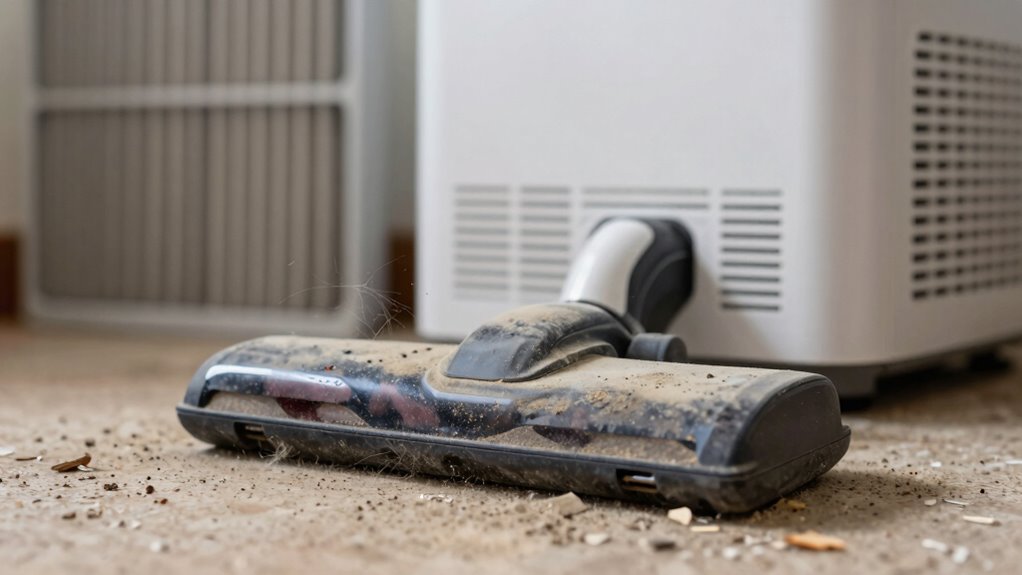
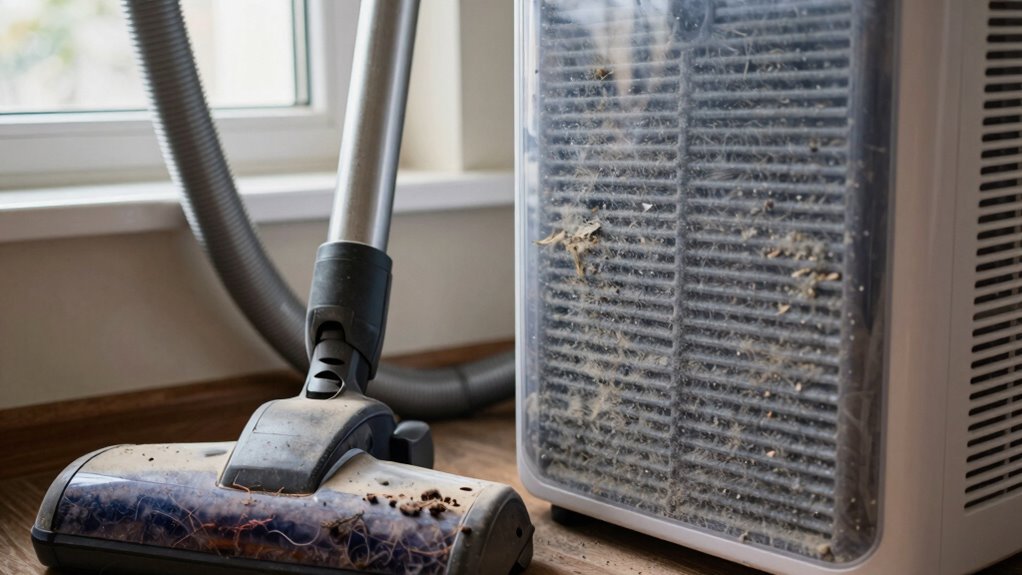
Have you ever considered how much your home’s air quality depends on regular filter upkeep? Many homeowners overlook this small but essential task, assuming their vacuums and air purifiers will keep working seamlessly without much attention. In reality, neglecting consistent maintenance routines can considerably shorten the filter lifespan and diminish the effectiveness of these appliances. When filters become clogged or dirty, they struggle to trap dust, allergens, and other particles efficiently, which means you’re not getting the clean air you expect. Over time, this can lead to poorer indoor air quality, increased allergy symptoms, and even higher energy bills as your devices work harder to perform.
One reason homeowners overlook filter care is that maintenance routines often seem straightforward or infrequent, leading to complacency. Many assume that filters last forever or that they only need changing when the appliance stops working altogether. But that’s not true. Filters have a limited lifespan, and ignoring the signs of wear can reduce their effectiveness. Regularly checking and replacing filters as recommended by the manufacturer isn’t just about prolonging their life — it’s about maintaining peak performance. When filters are replaced on time, your vacuum can better pick up dirt, and your air purifier can more effectively remove airborne pollutants. This consistency helps sustain healthier indoor environments and prevents the buildup of mold, bacteria, and dust. Moreover, understanding filter maintenance can help you better appreciate the role proper upkeep plays in overall appliance longevity. Regular filter care also helps prevent clogged filters, which can cause appliances to work harder and consume more energy. Recognizing the importance of routine maintenance can motivate you to stay on top of these small but vital tasks.
Another factor homeowners overlook is the importance of sticking to a routine. Maintenance routines aren’t just a chore; they’re a safeguard against the decline of your appliances’ performance. Setting reminders to inspect or change filters ensures you don’t forget, especially since the effects of neglect aren’t always immediately obvious. Additionally, understanding the impact of neglected filters on appliance efficiency underscores the importance of consistent upkeep. Over time, a dirty filter can cause your vacuum to lose suction or your air purifier to emit less purified air. Plus, neglecting filter care can lead to costly repairs or the need for early replacements. Keeping filters clean and fresh extends their lifespan, ultimately saving you money in the long run. Additionally, understanding the importance of filter maintenance in electronics can help you better appreciate the role proper upkeep plays in overall appliance longevity. Making filter care a regular part of your home maintenance routine isn’t just about appliance longevity — it’s about safeguarding your health. So, taking a few minutes to check and replace filters regularly can make a huge difference in your home’s air quality and your daily comfort. Don’t wait until performance drops or health issues arise — stay proactive with your maintenance routines.
Products Worth Considering

Levoit Core 400S-P Smart Air Purifier for Large Rooms

Coway Airmega AP-1512HHS Smart Air Purifier, Black

Levoit Core 600S-P Smart Air Purifier for Large Rooms
As an affiliate, we earn on qualifying purchases.
Frequently Asked Questions
How Often Should I Replace Filters for Optimal Performance?
You should replace filters every 3 to 6 months for maximum performance, depending on filter material and air quality. If you notice reduced airflow or increased dust, it’s time for a change. Regularly changing filters guarantees your vacuum or air purifier maintains effective filtration, improving air quality and extending device life. Check manufacturer guidelines for specific recommendations, and don’t forget to monitor filter condition regularly for the best results.
Are There Signs Indicating My Filter Needs Cleaning or Replacing Sooner?
Your filter’s lifespan is like a ticking clock—you’ll notice reduced airflow, strange odors, or increased dust, signaling it’s time for maintenance. Pay close attention to these signs, and don’t overlook the maintenance reminders on your device. Regularly checking for these cues ensures your vacuum or air purifier works efficiently. When in doubt, replacing filters sooner rather than later keeps your home healthier and keeps your device running smoothly.
Can Using the Wrong Filter Damage My Vacuum or Air Purifier?
Using the wrong filter can definitely damage your vacuum or air purifier. If the filter material isn’t compatible or doesn’t fit properly, it can strain the motor or reduce efficiency. Always check the manufacturer’s filter compatibility recommendations to make sure you’re using the right filter material. Incorrect filters can lead to poor airflow, increased wear, and even costly repairs, so prioritize using the correct filter for maximum performance and longevity.
Do Filters Lose Efficiency Over Time Even if Not Visibly Dirty?
Yes, filters lose efficiency over time even if they don’t look dirty. As filter material traps dirt and particles, airflow restriction increases, making your vacuum or air purifier work harder. This reduces their effectiveness, potentially damaging the motor or decreasing air quality. Regularly replacing or cleaning filters guarantees ideal airflow and maintains the device’s performance, preventing buildup that’s hidden behind the scenes but still impacts efficiency.
Is There a Recommended Method for Disposing of Used Filters Safely?
Think of disposing of used filters like passing on a gift—you want to do it safely. You should check if your local recycling center accepts filter recycling; many do, turning waste into new resources. If not, treat used filters as hazardous waste, sealing them securely and following your community’s disposal guidelines. Proper disposal prevents environmental harm and keeps your home safe, turning what seems like trash into responsible action.
Conclusion
Neglecting filter care might seem minor, but it can lead to decreased vacuum and air purifier efficiency, impacting your indoor air quality. Imagine a homeowner who ignores regular filter changes—over time, dust and allergens build up, causing the device to work harder and wear out faster. By staying on top of filter maintenance, you guarantee your appliances run smoothly, saving money and breathing cleaner air. Don’t overlook this simple step; your health and appliances depend on it.