To clean air vents inside your walls and boost your HVAC efficiency, start by turning off your system. Remove vent covers and wash them with warm, soapy water, making sure they’re dry before reinstalling. Check for dust buildup and debris inside the ducts, and consider vacuuming with a hose attachment or hiring a professional for thorough cleaning. Proper maintenance like this keeps airflow smooth and saves energy—stay with us to discover more helpful tips.

Get cleaning gear delivered free — and shop member deals
- Fast, free delivery on millions of items
- Access to Prime Big Deal Days deals on October 6–7
- Prime Video, Amazon Music and more included
Key Takeaways
- Regularly remove and wash vent covers to prevent dust buildup and improve airflow.
- Inspect and seal ductwork leaks to ensure conditioned air reaches indoor spaces efficiently.
- Replace or clean HVAC filters every 1 to 3 months to maintain system performance and air quality.
- Use a vacuum with a hose attachment to clean accessible duct sections and remove dust and debris.
- Schedule professional duct cleaning periodically to eliminate hidden mold, dust, and allergens inside walls.
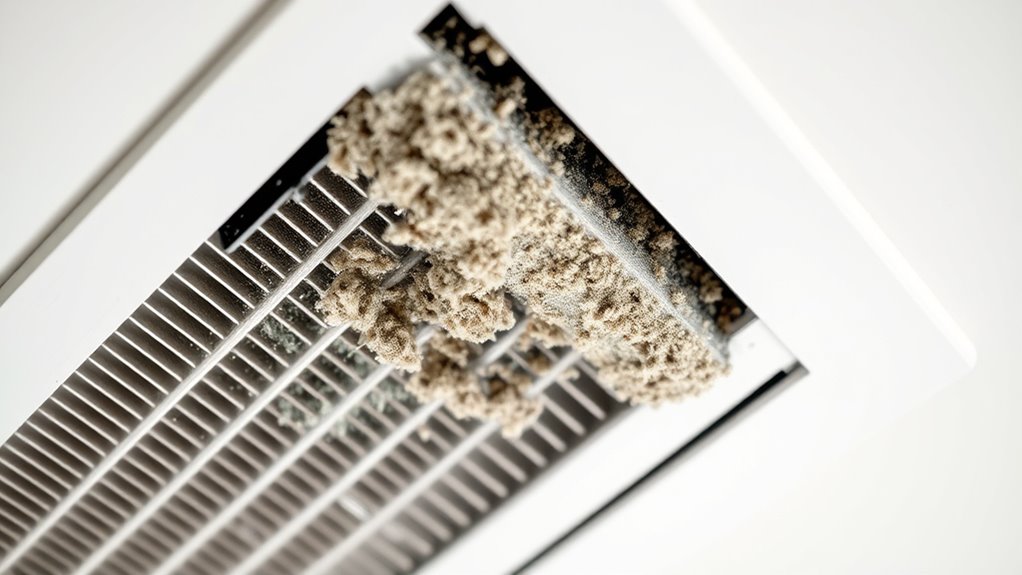
Regularly cleaning your air vents is vital for maintaining your HVAC system’s efficiency. When you keep your vents clear, your system doesn’t have to work as hard to circulate air, which can save you money on energy bills and extend the lifespan of your equipment. One of the most important steps in this process is proper air filter maintenance. You should replace or clean your air filters regularly—typically every 1 to 3 months—depending on your household’s needs. Dirty filters restrict airflow, cause your system to run longer, and reduce indoor air quality. By guaranteeing your filters are clean, you improve airflow and prevent dust, allergens, and debris from circulating throughout your home, which is especially important for allergy sufferers or those with respiratory issues.
In addition to filter maintenance, inspecting and cleaning your ductwork plays a vital role in optimizing HVAC performance. Over time, dust, mold, and debris can accumulate inside your ducts, impeding airflow and spreading contaminants. During a ductwork inspection, look for signs of damage such as tears or loose connections, which can cause leaks and reduce system efficiency. Sealing leaks helps guarantee that conditioned air reaches your living spaces instead of escaping into unoccupied areas or the attic. You might want to hire a professional for a thorough duct cleaning or do a visual inspection yourself if you’re comfortable. When cleaning ducts, use a vacuum with a hose attachment to remove loose dust and debris, and avoid using harsh chemicals that could introduce fumes into your home. Additionally, understanding the importance of contrast ratio in projectors can help you select equipment that ensures clear, detailed images for your home theater setup.
Beyond these steps, keeping your vents themselves clean is equally important. Regularly dust and wipe down the vent covers and grilles to prevent the buildup of dirt and pet hair, which can block airflow. You can remove the covers and wash them with warm, soapy water, making sure they dry completely before reattaching. This simple task helps maintain good airflow and prevents dust from settling inside the ducts. Remember, keeping your vents and ductwork in good condition not only improves your HVAC system’s efficiency but also enhances indoor air quality. When your system runs smoothly with clean filters and unobstructed ducts, you’ll notice more consistent temperatures and potentially lower energy costs. Staying proactive with air filter maintenance and ductwork inspection guarantees your HVAC system operates at peak performance, keeping your home comfortable and your air clean.
As an affiliate, we earn on qualifying purchases.
Frequently Asked Questions
How Often Should I Replace My HVAC Filters?
You should replace your air filter regularly to maintain good HVAC performance. The air filter lifespan varies, but most filters need changing every 1 to 3 months. Your replacement schedule depends on factors like household size, pets, and air quality. Check your filter monthly; if it looks dirty or clogged, replace it sooner. Staying on top of this ensures your system runs efficiently and improves indoor air quality.
Can Dirty Vents Cause Allergies or Respiratory Issues?
Dirty vents can definitely cause allergies or respiratory issues because they trap airborne allergens like dust, mold, and pet dander. When these contaminants circulate through your HVAC system, they can worsen breathing problems and trigger allergy symptoms. Regularly cleaning your vents helps remove these irritants, improving your indoor air quality and supporting better respiratory health. Keep up with maintenance to breathe easier and reduce allergy flare-ups in your home.
What Signs Indicate My HVAC System Needs Professional Cleaning?
If your HVAC system needs professional cleaning, you’ll notice airflow obstruction, making your home feel less comfortable. You might also detect unpleasant odors lingering despite regular maintenance. Additionally, increased dust buildup around vents and inconsistent heating or cooling are clear signs. When these issues arise, it’s time to call in experts to clean your air vents, improve airflow, and eliminate odors, ensuring your system runs efficiently and your indoor air stays healthy.
Are There Eco-Friendly Options for HVAC Cleaning Products?
When it comes to eco-friendly cleaning, you don’t have to reinvent the wheel. Many green products are available that are safe for your home and the environment. Look for HVAC cleaning products labeled as eco-friendly or made with natural ingredients. These options help you cut down on harmful chemicals while maintaining your system’s efficiency. Switching to green products guarantees you’re doing your part for the planet without sacrificing clean air inside your home.
How Does Vent Cleaning Impact Energy Consumption?
Vent cleaning greatly influences your energy consumption by improving airflow enhancement and reducing vent blockage. When vents are clean, your HVAC system doesn’t have to work as hard, which lowers energy use and saves you money. Regular cleaning ensures ideal airflow, prevents system strain, and maintains efficient operation. Keep vents clear to boost overall energy efficiency, extend your system’s lifespan, and enjoy better indoor air quality.
Conclusion
By keeping your air vents clean, you’re opening the door to fresh, crisp air flowing freely through your home, much like clearing a clogged artery. When your HVAC system breathes easy, it runs smoother and lasts longer—saving you money and energy. Think of your vents as the lungs of your home; when they’re clear, your entire space breathes easier. Take care of them, and your home will thank you with comfort and efficiency.
Halloween Picks
halloween
As an affiliate, we earn on qualifying purchases.