Neglecting proper cleaning and maintenance is the biggest mistake that quickly ruins your HEPA vacuum filter. Many people try to save time by skipping regular cleaning, which causes dust, allergens, and debris to clog the filter and restrict airflow. This not only reduces vacuum performance but can also damage the motor. To keep your HEPA filter working effectively for longer, stick to gentle cleaning routines and replace filters when needed. Keep going to discover how to protect your vacuum’s efficiency.
Key Takeaways
- Avoid neglecting regular cleaning; debris buildup quickly clogs HEPA filters and reduces efficiency.
- Do not use harsh chemicals or scrubbing methods that can damage the filter material.
- Never skip proper drying after washing, as moisture can impair filter performance.
- Refrain from replacing filters prematurely without cleaning, which wastes money and shortens filter lifespan.
- Follow manufacturer instructions for cleaning and replacement to maintain optimal filtration and airflow.

Have you ever wondered why your HEPA vacuum filter stops working so quickly? The answer often comes down to a simple mistake you might be making during filter maintenance. Many people assume that once their vacuum starts losing suction, it’s time to replace the filter. However, neglecting proper cleaning and maintenance routines can shorten the lifespan of your HEPA filter considerably. Instead of rushing to buy a new one, understanding how to care for it properly can save you money and keep your vacuum functioning at its best.
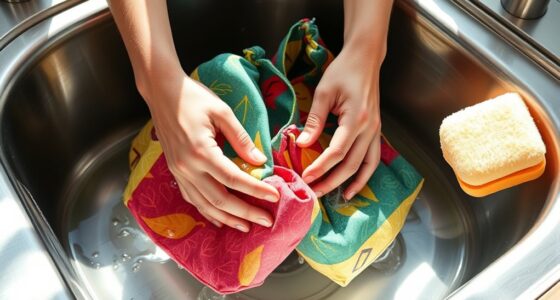
The key to extending your HEPA filter’s life is consistent and proper cleaning. Many users overlook this step, assuming the filter is a “set-it-and-forget-it” component. But filters, especially HEPA ones, trap tiny particles like allergens, dust mites, and pet dander, which can quickly clog the filter if not cleaned regularly. When you skip filter maintenance, debris accumulates, restricting airflow and reducing filtration efficiency. This not only shortens the filter’s lifespan but also strains your vacuum’s motor, potentially causing damage over time. Proper cleaning involves gentle removal of surface dust and debris, which can often be done with a soft brush or by tapping it lightly to dislodge dirt. Some HEPA filters are washable—if your manufacturer approves—and should be rinsed carefully with water, then completely dried before reinserting. Always follow the manufacturer’s instructions to prevent damage and guarantee peak performance. Additionally, understanding the importance of filter technology can help you choose the right maintenance routine for optimal results.
Another common mistake is using harsh cleaning methods or chemicals that can deteriorate the filter material. Avoid scrubbing or using strong cleaners, as these can weaken the filter’s structure or impair its ability to trap particles effectively. Instead, focus on regular, gentle cleaning routines to prevent buildup. It’s also vital to replace the filter when it shows signs of wear or after a specified period—usually every 6 to 12 months—regardless of whether it appears dirty. Relying solely on cleaning without timely replacement can lead to a clogged filter, which hampers airflow and reduces vacuum efficiency. Remember, a clean, well-maintained filter enhances indoor air quality and prolongs the life of your vacuum.
Frequently Asked Questions
How Often Should I Replace My HEPA Vacuum Filter?
You should replace your HEPA vacuum filter every 6 to 12 months, depending on filter maintenance and usage. Regularly check the filter for dirt buildup or damage, and replace it sooner if it looks clogged or worn out. Proper replacement frequency guarantees peak air quality and vacuum performance. Don’t wait too long; maintaining your filter helps prevent allergies and keeps your vacuum running efficiently.
Can I Wash or Reuse My HEPA Filter?
Did you know that a dirty filter can reduce your vacuum’s efficiency by up to 50%? You can’t wash or reuse most HEPA filters, as DIY cleaning often damages the delicate fibers. Instead, focus on proper filter maintenance by replacing it when recommended. This ensures ideal air quality and suction power. Always follow your manufacturer’s instructions to avoid damaging the filter and compromising your vacuum’s performance.
What’s the Best Way to Store Spare HEPA Filters?
To keep your spare HEPA filters in top shape, focus on proper filter storage. Store them in a cool, dry place away from direct sunlight, moisture, and dust. Use sealed plastic bags or airtight containers to prevent contamination. Follow these spare filter tips to maintain their effectiveness, ensuring when you need a replacement, your filters are clean, ready, and perform efficiently. Proper storage extends your filters’ lifespan and maintains air quality.
Are HEPA Filters Safe for Allergy Sufferers?
HEPA filters are safe for allergy sufferers when used properly with an air purifier compatible with your specific filter model. They effectively trap allergens, reducing allergy symptoms and improving indoor air quality. To maximize safety and performance, replace filters regularly and make certain your device is suited for your needs. This way, you manage allergy symptoms better and maintain a healthier living environment without risking filter safety.
Do All Vacuum Cleaners Have HEPA Filters?
Not all vacuum cleaners have HEPA filters. When shopping, check the product details to guarantee it includes a HEPA filter, especially if you have allergies. To keep your vacuum working efficiently, perform regular vacuum filter maintenance, and remember that HEPA filter lifespan varies; replace it as recommended to maintain ideal air quality. Proper care prevents damage and ensures your vacuum continues to trap tiny allergens effectively.
Conclusion
Avoid making this simple mistake, and you’ll keep your HEPA filter working like new, trapping tiny particles in a fortress of filtration. Picture your vacuum as a vigilant guardian, its filter a delicate yet essential shield. When you care for it properly, you prevent dust and allergens from sneaking past, ensuring your home stays fresh and healthy. Keep that filter pristine, and let your vacuum continue its silent, powerful duty—protecting your space with every sweep.