
TL;DR

Get cleaning gear delivered free with Prime
- Fast, free delivery on millions of items
- Prime Video, Amazon Music and more included
- Member-only deals all year
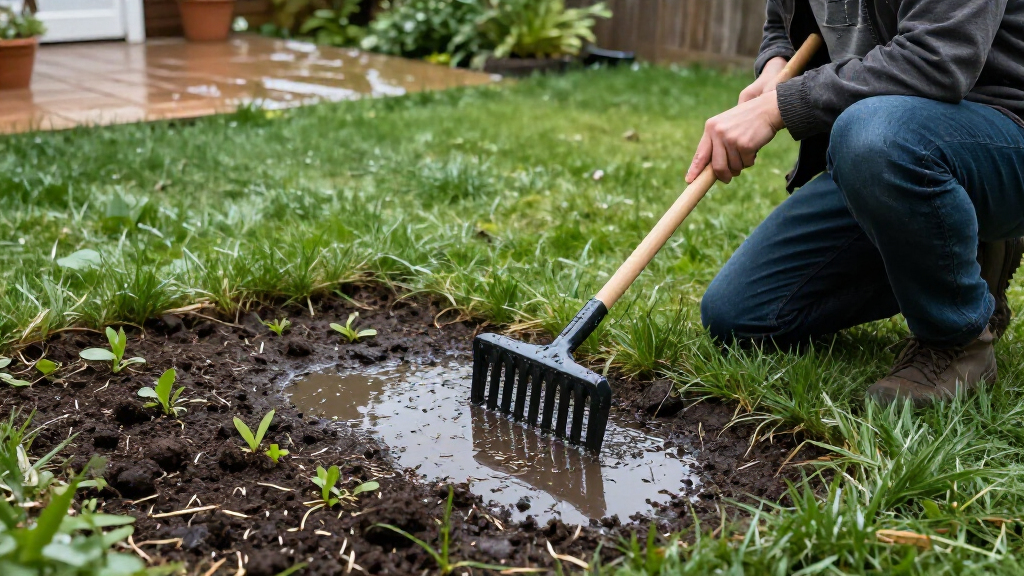
Grass seed may still grow after heavy rain if excess water drains and the soil remains moist rather than waterlogged. Lawn experts quoted by Ideal Home recommend redistributing washed seed once the ground is workable, lightly aerating pooled areas and covering seed with a thin layer of topsoil or compost. Germination commonly takes seven to 21 days, according to Johnson’s Lawn Seed consumer manager Guy Jenkins.
Grass seed can still germinate after heavy rain if water drains away and the soil stays moist rather than saturated, according to lawn experts cited by Ideal Home. The report recommends three steps for lawns affected by storms: redistribute seed that has washed into patches, lightly aerate waterlogged areas and use a thin covering of topsoil or compost to help hold seed in place.
Moisture supports germination, but standing water can leave seed without enough oxygen and may cause it to rot. Lawnsmith lawn-care expert Jonathan Davis told Ideal Home that seed left in pooled water may fail to grow. Heavy rain can also wash seeds away or gather them into clumps, leaving bare patches beside thicker tufts.
If seed has shifted, Johnson’s Lawn Seed consumer manager Guy Jenkins advises waiting until the ground is workable, then using a rake to spread seed across bare areas. Jenkins said germination typically begins within seven to 21 days. If the lawn still looks noticeably patchy after that period, he recommends overseeding the affected spots.
For pooled water, Davis recommends light aeration, which makes small channels that can help water drain rather than sit on the surface. He advises concentrating on waterlogged areas and avoiding excessive disturbance to new seed or existing grass. A thin layer of topsoil or compost can also help keep seed in place; Davis said a light natural covering may additionally deter birds.
How Rain Affects New Lawn Seed
The difference between a successful sowing and a patchy lawn may depend on how quickly water drains, not simply how much rain fell. Seed in moist soil may continue to germinate, while seed submerged in standing water or displaced by runoff can be lost or concentrated in uneven clusters.
Checking the lawn before reseeding can help avoid unnecessary work. Gardeners can first identify where water pooled and where seed moved, then make targeted repairs once the soil can be worked. The advice is particularly relevant after storms because re-sowing too soon into saturated ground may disturb seed further.
Products Worth Considering

Shark HydroVac MessMaster Corded Wet/Dry Vacuum, Mop & Self-Clean (WD161)

Bose TV Speaker Compact Soundbar with Bluetooth and HDMI-ARC, Black

Dyson Car+Boat Cordless Handheld Vacuum
As an affiliate, we earn on qualifying purchases.
The Three Recovery Steps
The advice in Ideal Home’s report is based on comments from two lawn-care specialists, rather than a guarantee that every seeded lawn will recover. The key condition they describe is drainage: if rain soaks into the soil or runs off and the ground remains moist, seed should have a better chance than it would in a flooded area.
The suggested response follows the damage observed. Raking addresses seed movement; light aeration targets pooled water; and a thin covering of soil or compost can help secure seed. Davis also says aerating before forecast heavy rain can help water pass through the soil, though he advises keeping the work light during the season to avoid disturbing seed or stressing the lawn.
Recovery Depends on Drainage
The source does not give a rainfall threshold, a soil-specific forecast or a guarantee that seed submerged in water will recover. How long water remained pooled, the lawn’s drainage and whether seed was washed away will affect the result, but the report does not quantify those effects.
It is also unclear how much seed may need replacing in a particular lawn. The seven-to-21-day germination window is guidance from Jenkins, not a promise that every seed will sprout within that time. Gardeners may need to wait, observe growth and judge whether bare areas require overseeding.
Check the Lawn as It Dries
Once standing water has drained and the soil is workable, check for bare patches and clusters of displaced seed. Rake seed across affected areas, and use light aeration only where water is pooling. Avoid working saturated ground, which may make it harder to repair the lawn without disturbing the seed.
Watch for germination over the next seven to 21 days. If growth is still visibly uneven after that period, overseed the bare spots. The source offers no storm-specific timetable for recovery; the next useful indicator is whether the soil drains and new shoots appear.
Key Questions
Will grass seed grow after heavy rain?
It may. The experts quoted by Ideal Home say seed can germinate if rain drains away and the soil remains moist rather than waterlogged. Standing water can leave seed short of oxygen or cause it to rot.
What should I do if rain washed seed into patches?
Wait until the ground is workable, then use a rake to redistribute seed over bare areas. Guy Jenkins of Johnson’s Lawn Seed advises checking growth and overseeding noticeably patchy areas after the typical seven-to-21-day germination window.
Should I aerate a lawn after it floods?
Jonathan Davis of Lawnsmith recommends light aeration in waterlogged areas to create channels for drainage. Avoid heavy work that could disturb fresh seed or stress existing grass, and wait until the ground can be worked.
How can I stop grass seed from washing away?
A thin layer of topsoil or compost may help hold seed in place, according to Davis. He also suggests a light natural covering. The source does not specify a suitable covering depth beyond describing it as thin.
Source: idealhome.co.uk