
TL;DR

Get cleaning gear delivered free — and shop member deals
- Fast, free delivery on millions of items
- Access to Prime Big Deal Days deals on October 6–7
- Prime Video, Amazon Music and more included
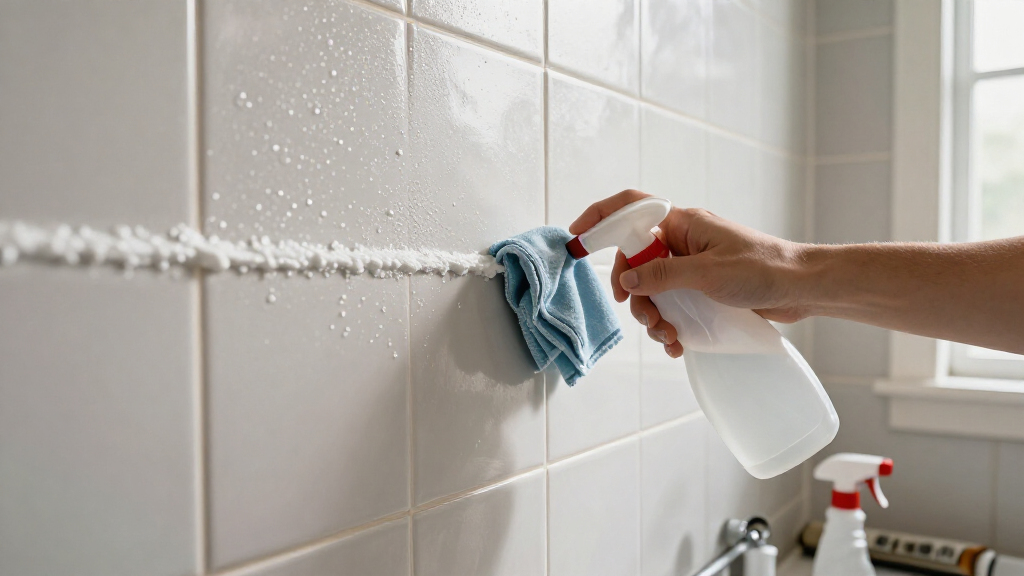
A Hunker report describes a DIY technique: lightly spray ammonia-free Windex on freshly applied silicone caulk, or on the finishing tool, before smoothing the bead. The cleaner may reduce sticking, but it does not improve adhesion and can interfere if it reaches a spot where caulk still needs to bond.
A Hunker report describes a caulking technique in which DIYers lightly spray ammonia-free Windex on a fresh silicone bead—or on the finishing tool—before smoothing it. The glass cleaner is intended to help a finger or tool glide over sticky silicone; it is not a cleaning step or a way to make the caulk adhere better.
Silicone caulk can cling to a finger or caulk-finishing tool during tooling, making it harder to leave a neat, even bead. Hunker says the cleaner’s slippery surface can reduce that sticking and help with the finishing pass. The method is aimed particularly at silicone, which the report describes as trickier to smooth and clean up than acrylic latex caulk.
The order of operations matters: apply the silicone first, then lightly spray the bead and smooth it promptly. Hunker also suggests spraying the tool instead, which may reduce the chance of cleaner reaching the joint surfaces. The cleaner should not get onto an uncaulked section where silicone still needs to bond, since the report warns that it could interfere with adhesion there.
Preparation remains part of the job. The report recommends removing old caulk and residue, then cleaning and drying the joint before applying a new bead. A nozzle cut at a 45-degree angle and steady pressure can help produce an even line. Because silicone begins to form a skin as it cures, the report advises working quickly and handling a large job in sections.
A Smoother Bead, Not Stronger Adhesion
The tip addresses a practical finishing problem: silicone can be sticky while it is being tooled, and an uneven bead may require extra cleanup or correction. For someone sealing a joint, the technique may make the smoothing step easier. But the distinction between tooling aid and bonding preparation is important. Windex is not presented as a sealant additive, a surface primer, or a substitute for preparing the joint.
Misusing the spray could work against the purpose of caulking. If cleaner gets onto a section that has not yet received silicone, the report says it may prevent proper adhesion at that spot. That makes careful application more important than simply spraying the whole area. Spraying the finishing tool rather than the joint is one option described for limiting that risk.
The advice also has a narrower application than the headline might suggest. Hunker says ammonia-free cleaner is preferred because it has a lower chance of compromising the caulk, and notes that acrylic latex caulk generally needs less help with tooling and can be cleaned up with water. Readers should check product directions for the particular caulk and cleaner they use.
ammonia-free Windex for caulk smoothing
As an affiliate, we earn on qualifying purchases.
As an affiliate, we earn on qualifying purchases.
The Timing Behind the Technique
The report frames Windex as an optional step in the fresh-silicone finishing process, not as a general caulking rule. Its purpose is to reduce friction while a finger or tool shapes the bead. The benefit depends on using it after the silicone is in place and before the material begins to skin over.
Hunker’s suggested sequence starts with a clean, dry joint, followed by a steady application of caulk. After the bead is laid, the user lightly sprays it—or the tool—and smooths it without delay. Painter’s tape along the intended edges is another method the report mentions for controlling the bead and reducing later cleanup.
The supplied report does not provide controlled test results or product-manufacturer guidance supporting the technique. It presents the practice as a tip recommended by some DIYers and home-improvement enthusiasts. That means the report supports describing the method and its stated purpose, but not claiming it is necessary or works with every silicone product.
“The glass cleaner is not being used to clean the caulk and it does not make the silicone adhere better.”
— Hunker report
Limits of the Windex Advice
The supplied material does not identify which Windex formulations, silicone brands, or joint conditions were tested. It also gives no measured comparison of finish quality or adhesion. The advice is attributed to a DIY practice reported by Hunker, rather than to a cited manufacturer instruction or controlled study.
It is not clear whether every ammonia-free glass cleaner is suitable for every silicone product. The report says ammonia-free Windex is preferred because it is less likely to compromise caulk, but does not specify ingredients, dilution, or a universal application amount beyond light spraying. Users should follow the sealant label and avoid assuming that one formulation’s directions apply to another.
Check Product Directions Before Tooling
Before using the technique, check the caulk manufacturer’s instructions for application and tooling, and test an optional cleaner on a small area if the product guidance permits it. Keep cleaner off surfaces that still need to bond. If using the method, apply the silicone bead first, use only a light spray on the bead or tool, and smooth promptly in manageable sections.
For a neater edge, the report also recommends painter’s tape and careful joint preparation. The practical next step is to treat Windex as an optional finishing aid—not a required part of caulking—and judge the result against the sealant’s own instructions.
Key Questions
Why do people spray Windex on silicone caulk?
Hunker says a light spray can help a finger or finishing tool glide across fresh silicone, which may otherwise stick during smoothing.
Does Windex help silicone caulk stick?
No. The report says the cleaner does not improve adhesion and warns that it could interfere if it gets onto a spot that still needs caulk.
Should the Windex go on the caulk or the tool?
Hunker describes both options: lightly spray the fresh bead or spray the finishing tool. Spraying the tool may help keep cleaner away from surfaces where the silicone must bond.
Can this method be used with acrylic latex caulk?
The report focuses on silicone and says acrylic latex is generally easier to tool and cleans up with water, so Windex is less needed. Check the caulk label before using a cleaner.
When should the bead be smoothed?
Smooth it immediately after applying and lightly spraying the silicone. The report says silicone begins to form a skin as it cures, so it recommends working promptly and in sections.
Source: rss
Fall Picks
fall essentials
As an affiliate, we earn on qualifying purchases.