
TL;DR

Get cleaning gear delivered free — and shop member deals
- Fast, free delivery on millions of items
- Access to Prime Big Deal Days deals on October 6–7
- Prime Video, Amazon Music and more included
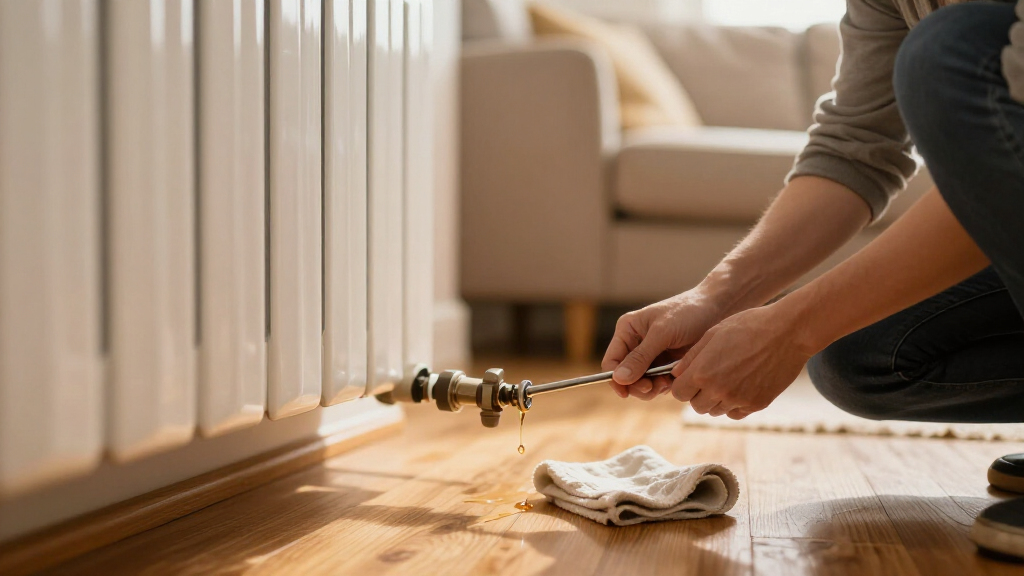
Ideal Home reports that heating experts recommend bleeding radiators on the ground floor first, starting with the one furthest from the boiler, then moving upstairs in the same order. Bleeding in a different order is not expected to damage the system, but may mean checking radiators again; pressure and heating performance should be checked afterward.
Bleed downstairs radiators first, then move upstairs, starting with the radiator furthest from the boiler on each floor, according to heating professionals quoted by Ideal Home. The recommended sequence is intended to reduce repeat work; the experts say using another order is unlikely to damage the heating system.
Alex Woods of Victorian Plumbing advises beginning with the downstairs radiator furthest from the boiler, bleeding the other radiators on that floor, and then repeating the process upstairs. Woods says air rises through a heating system, so working from the lower floor upward can help avoid air gathering again in radiators already checked.
Matthew Powell, founder of WarmZilla, says starting upstairs is not likely to harm the system. However, if air is released from downstairs radiators afterward, it may move through the system and collect upstairs, meaning those radiators may need another check. The order is therefore presented as a way to work methodically, not as a safety rule that prevents damage.
Powell says a household can bleed just one radiator if it is cold at the top while the rest heat normally. If several radiators gurgle, heat unevenly or are cold at the top, he recommends checking each one. After bleeding, he advises checking boiler pressure before turning the heating back on, because the process can lower pressure in a sealed system, then checking whether radiators warm evenly.
A Method That Can Avoid Repeat Work
The practical consequence is mainly time and follow-up: starting downstairs and moving up gives householders a consistent sequence and may reduce the chance of having to revisit radiators. The advice also distinguishes a single suspected air pocket from signs that may affect several radiators, helping readers decide whether to check one unit or inspect more of the system.
Bleeding is a routine maintenance task, but the source does not suggest that it will resolve every heating problem. Boiler pressure and radiator temperature still need attention afterward. A radiator that remains cold at the bottom, or a system that continues to heat unevenly, may point to a different issue and should not automatically be treated as trapped air.
As an affiliate, we earn on qualifying purchases.
When the Bleeding Order Matters
Ideal Home framed the advice as a seasonal check before colder weather, when householders may test their heating and notice cold spots or gurgling. Its report focuses on the order for bleeding radiators and on recognizing when a problem may involve more than air trapped in one radiator.
The experts distinguish between cold at the top, which Powell describes as a common sign of trapped air, and cold at the bottom, which may have another cause. John Klee, a heating technology expert at BestHeating, says cold spots at the bottom may indicate sludge buildup and that flushing the system is more complicated. The article advises people who are not confident doing that work to contact a qualified professional.
““It’s recommended to start bleeding your downstairs radiators first, beginning with the radiator furthest from your boiler.””
— Alex Woods, Victorian Plumbing, quoted by Ideal Home
What the Symptoms Cannot Confirm
The source provides expert recommendations, not a technical test comparing different bleeding sequences or a guarantee that the suggested order will prevent every radiator from collecting air again. It also does not give a boiler-pressure target: the correct pressure depends on the heating system and its instructions.
Cold spots at the bottom may suggest sludge or another system issue, according to Klee, but the source does not establish a diagnosis for any particular home. Persistent uneven heating, continued low pressure or uncertainty about the cause should be treated as reasons to seek qualified advice rather than proof that bleeding alone will fix the problem.
Check Pressure and Heating
After bleeding, check the boiler pressure before restarting the heating, following the boiler manufacturer’s instructions for the specific system. Then turn the heating on and see whether the radiators warm evenly. If a radiator remains cold at the bottom or the wider heating problem continues, the source advises considering a professional assessment; flushing and other system work are more complex than bleeding a radiator.
Key Questions
Should I bleed downstairs or upstairs radiators first?
Experts quoted by Ideal Home recommend starting downstairs, then moving upstairs. On each floor, begin with the radiator furthest from the boiler.
Will bleeding upstairs radiators first damage my heating system?
WarmZilla founder Matthew Powell says bleeding in the wrong order is unlikely to damage the system. It may be less efficient and could mean checking upstairs radiators again after bleeding downstairs.
Do I need to bleed every radiator?
If just one radiator is cold at the top and the others heat normally, Powell says it may be enough to bleed that radiator. If several gurgle, heat unevenly or are cold at the top, he advises checking each one.
What should I check after bleeding radiators?
Check the boiler pressure before turning the heating back on, then see whether the radiators heat evenly. Consult the boiler’s instructions for pressure guidance specific to your system.
What if a radiator is cold at the bottom?
John Klee of BestHeating says cold spots at the bottom may indicate sludge buildup and that flushing is more complicated. If you are not confident in the work, contact a qualified heating professional.
Source: rss
Halloween Picks
halloween
As an affiliate, we earn on qualifying purchases.