
TL;DR

Get cleaning gear delivered free with Prime
- Fast, free delivery on millions of items
- Prime Video, Amazon Music and more included
- Member-only deals all year
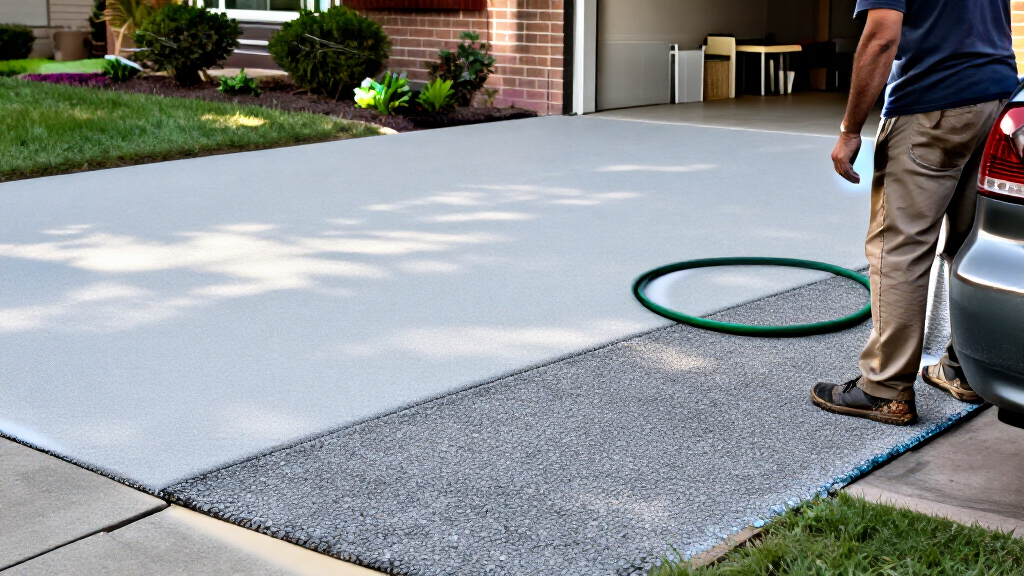
An Ideal Home report compares resin and gravel driveways for UK homeowners, focusing on cost, installation, lifespan, upkeep and appearance. Gravel is generally cheaper and may be suitable for a carefully planned DIY installation; resin costs more upfront and needs a specialist installer. The right choice depends on budget, preferred look and willingness to maintain the surface.
Ideal Home has published a comparison of resin and gravel driveways, outlining how the two popular surfaces differ in upfront cost, installation, longevity and maintenance. The guidance is aimed at homeowners planning a new driveway, for whom the choice can affect both the approach to a property and the work and costs required over time.
The report says gravel is usually the less expensive option and can sometimes be laid by homeowners with research and planning. Designer Samantha-Jane Agbontaen says it can be quick to install, often taking a couple of days with minimal groundwork. Gravel does, however, need topping up over time, which can add to its lifetime cost.
Resin driveways require professional installation, according to the report, because correct laying and suitable weather conditions are important to the finish. Fergus Wickland, a project consultant at Beauxfort Landscaping Systems, warns that poor installation can leave a patchy surface. The report distinguishes resin-bound driveways from resin-bonded ones, describing resin-bound as the more common choice and saying it generally has lower maintenance needs and greater longevity.
For UK prices, Zaeem Chaudhary of AC Design Solution gives typical ranges of £50–£70 per square metre for gravel and £90–£130 per square metre for resin. He says a properly installed resin surface may last 15 to 20 years, while gravel can last longer overall but needs more ongoing attention. These are reported typical figures, not a quote for a particular property; actual costs and results will depend on the project.
How the Choice Affects Cost and Upkeep
The decision is not just about which surface looks better on installation day. Gravel’s lower starting price may suit households seeking to limit initial spending, but keeping it topped up and in place requires ongoing attention. Resin has a higher reported upfront cost, yet its comparatively smooth, fixed surface may suit homeowners who prefer a more uniform finish and are prepared to pay for specialist work.
Durability also depends on installation quality and the condition of the base. The report says resin repairs can be difficult to conceal if the surface is damaged or the sub-base moves. It also notes that moss or algae may collect in resin-bound surface voids if the driveway is not regularly cleaned. Gravel avoids some of those fixed-surface repair issues, but its appearance and condition need periodic maintenance.
Those trade-offs matter because a driveway has both practical and visual roles: it is used for parking and manoeuvring as well as forming the approach to a home. Homeowners comparing options should consider the full period of ownership, rather than relying on initial price or appearance alone.
As an affiliate, we earn on qualifying purchases.
What the Comparison Covers
The Ideal Home report frames driveways as a home-design decision that can receive less attention than indoor renovations, despite their effect on a property’s appearance and everyday use. Its comparison draws on comments from professionals in design, landscaping and architecture, alongside indicative UK material and installation costs supplied by Chaudhary.
The source says both resin and gravel come in a range of colours and styles, and suggests they can suit different types of property. The supplied report text cuts off during its discussion of appearance, so it does not provide the complete comparison on which styles or homes each material best suits. The available material therefore supports a comparison of installation, costs and maintenance more fully than a definitive visual recommendation.
Resin-bound and resin-bonded are also distinct forms of resin driveway, according to the report. Its description favours resin-bound on maintenance and longevity, but the supplied text does not give a detailed technical comparison of the two systems or their installation specifications.
“Resin is notoriously difficult to lay, and if not done correctly or laid in the wrong weather conditions, it can result in a poor and patchy finish.”
— Fergus Wickland, project consultant at Beauxfort Landscaping Systems
Costs and Suitability Vary by Site
The figures are typical UK cost ranges, not guaranteed prices. The source does not specify a date for the estimates, explain whether they include removal of an existing driveway, or break down labour, groundwork and materials. The final price for a particular home is therefore unclear without a site assessment and a detailed quote.
The report also does not provide a single lifespan that applies to every driveway. It says performance depends in part on proper installation, but gives no assumptions about traffic, maintenance schedules or the condition of the ground beneath each surface. Its supplied text ends partway through the appearance section, leaving its complete advice on matching materials to a home unavailable.
Get Quotes for Your Property
Homeowners considering either option can use the comparison as a starting point, then ask installers for itemised quotes based on the actual site. Those discussions should cover preparation of the base, drainage, materials, labour, expected maintenance and how repairs would be handled. For resin, the report specifically points to the importance of specialist installation and suitable weather conditions.
Before choosing, homeowners can compare samples and confirm how each surface will look alongside the property, while checking what ongoing work they are prepared to take on. The source provides no further announcement or scheduled development; the next step is a project-specific decision rather than a confirmed industry change.
Key Questions
Which driveway is cheaper to install?
The report gives typical UK costs of £50–£70/m² for gravel and £90–£130/m² for resin. Final prices can vary, and the figures are not a quote for an individual property.
Can I install a gravel driveway myself?
The report says a DIY gravel installation may be possible with research and planning. It describes gravel as relatively straightforward to lay, but does not provide a step-by-step method or assess the needs of any particular site.
Does a resin driveway need a professional installer?
According to the report, both resin-bound and resin-bonded driveways require professional installation. It says poor technique or unsuitable weather can produce a patchy finish.
Which driveway lasts longer?
The report says properly installed resin can last 15–20 years, while gravel can last longer overall but needs more ongoing maintenance. These are general claims, not a guaranteed lifespan for a particular driveway.
Which surface needs less maintenance?
The report describes resin-bound as a lower-maintenance resin option, while gravel needs topping up. It also says resin can collect moss or algae in surface voids unless regularly cleaned. The maintenance required will depend on the installation and conditions.
Source: rss
Columbus Day / Indigenous Peoples' Day Picks
long weekend sales
As an affiliate, we earn on qualifying purchases.