
TL;DR
A large protest took place in Berlin today, with thousands demanding action against rising rents and advocating for expropriation of large property firms. Authorities confirmed the demonstration’s size and peaceful nature, but the movement’s broader goals remain debated.
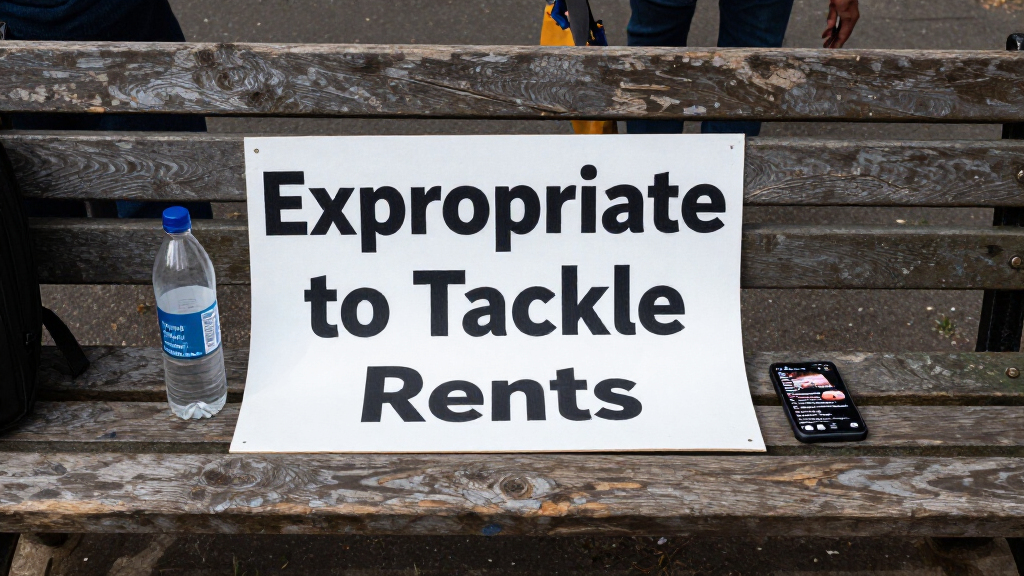
Thousands of residents in Berlin participated in a protest today, demanding measures to address the city’s high rental prices and advocating for the expropriation of large property corporations. The demonstration, which drew an estimated several thousand participants, was confirmed by police to be peaceful and well-organized. The protest underscores ongoing tensions over housing affordability in Berlin, a city experiencing significant rental price increases.
The protest was organized primarily by housing advocacy groups and tenants’ associations, with participants marching through central Berlin, including the government district. Police confirmed that approximately 3,000 to 4,000 people attended, with no reports of violence or major disturbances. The demonstrators carried banners demanding rent controls and the expropriation of large real estate firms, citing the need for more affordable housing options. Authorities have acknowledged the protest and are monitoring the situation, but have not reported any incidents requiring intervention.
The movement calls for a referendum on expropriation, specifically targeting big property companies that control a significant share of Berlin’s rental market. Supporters argue that expropriation could help stabilize rents and increase public control over housing. Critics, however, question the legal and economic feasibility of such measures, and some warn it could deter investment in Berlin’s housing sector. The city government has not yet responded publicly to the demands but has emphasized ongoing efforts to regulate rents and promote affordable housing.
Implications of the Protest for Berlin Housing Policy
This protest highlights the growing public pressure on Berlin authorities to address the city’s housing crisis. The demonstration reflects widespread concern over rising rents, which have increased sharply over the past decade, making affordability a key issue for residents. The call for expropriation of large property firms, if successful, could fundamentally alter the city’s housing market and set a precedent for other cities facing similar challenges. The protest also signals a potential shift in public opinion, favoring more radical measures to ensure housing affordability.
As an affiliate, we earn on qualifying purchases.
Background of Berlin’s Housing Crisis and Rising Rents
Berlin has experienced a significant increase in rental prices over the past decade, driven by population growth, limited new construction, and speculative investment. According to recent data, rental prices have risen by approximately 30% over the last five years, placing pressure on low- and middle-income residents. Several initiatives aimed at regulating rents have been introduced, but critics argue these measures are insufficient. The movement for expropriation gained momentum following a 2019 referendum that called for the city to take control of large rental properties, which was rejected by the city government but remains a focal point for activists.
Legal and Political Feasibility of Expropriation
It is not yet clear whether Berlin’s government will support or oppose the expropriation initiative. Legal challenges and political opposition could complicate efforts to implement such measures. The city authorities have not publicly committed to any specific action, and the broader debate over housing policy remains unresolved, with some experts questioning the economic impact of expropriation.
Next Steps for the Housing Movement and Policy Response
The city government is expected to review the demands and may hold discussions with housing advocates and legal experts. A referendum on expropriation could be scheduled for future elections if enough support is gathered. Meanwhile, authorities might intensify existing rent regulation measures or introduce new policies aimed at increasing affordable housing supply. The protest’s momentum could influence upcoming political debates and policymaking in Berlin.
Key Questions
What exactly are the protesters demanding?
The protesters are demanding measures to reduce high rents, including a referendum to expropriate large property companies that control significant portions of Berlin’s rental market.
Is expropriation legally possible in Berlin?
Legal challenges remain, and it is unclear whether the city has the authority to expropriate private landlords without significant changes to existing laws. The issue is currently under debate among legal and political experts.
How many people participated in the protest?
Police confirmed an estimated 3,000 to 4,000 participants, with no reports of violence or disturbances so far.
What is the city government’s response?
The government has acknowledged the protest and is reviewing the demands but has not yet committed to any specific policy changes regarding expropriation.
Could this protest lead to policy changes?
The protest could influence future policy discussions, especially if a referendum is held and gains sufficient support. The outcome remains uncertain at this stage.
Source: local