
To effectively manage manufacturing facility cleaning zones, you should establish clear, well-defined areas based on safety, equipment, and contamination risks. Creating consistent cleaning schedules tailored to each zone helps prevent buildup, maintain quality, and guarantee compliance. Incorporate safety protocols like signage and PPE, scheduling maintenance during downtime, and using color-coded tools for organization. Staying organized and safety-focused is key—continue exploring how to optimize your cleaning zones for better efficiency and safety.
Key Takeaways
- Clearly define and label each cleaning zone to ensure safety, organization, and efficient resource allocation.
- Develop a consistent cleaning schedule tailored to each zone’s specific machinery, materials, and contamination risks.
- Incorporate safety protocols such as signage, PPE, and specialized equipment within each zone to protect staff and ensure compliance.
- Schedule maintenance and cleaning activities during planned downtime to minimize disruption and enhance safety.
- Regularly review and update zone boundaries, cleaning procedures, and safety measures for continuous improvement.
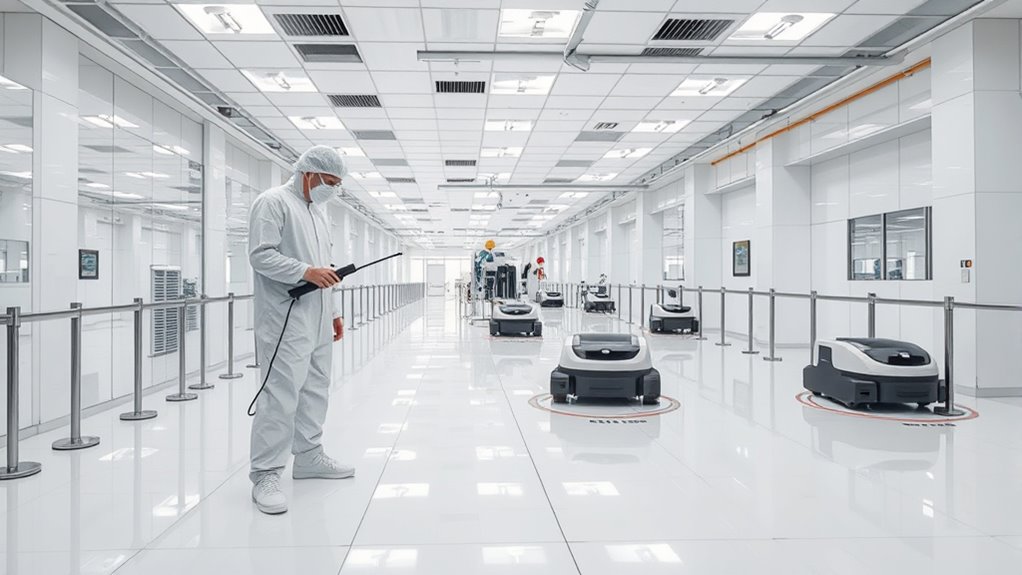
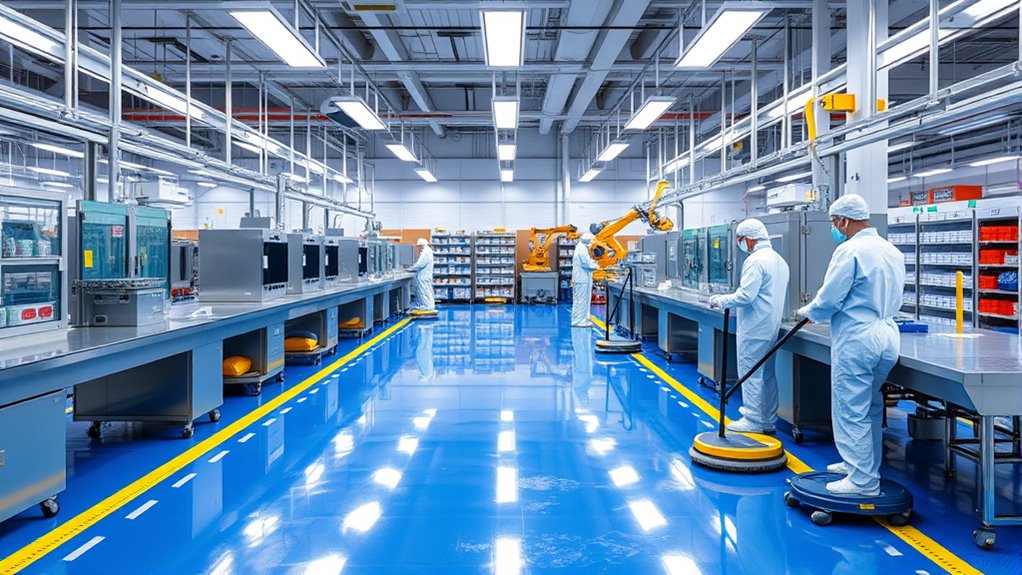
Creating effective cleaning zones within a manufacturing facility is essential for maintaining safety, quality, and efficiency. When you establish well-defined areas, you can develop a structured cleaning schedule that ensures each zone receives appropriate attention without disrupting daily operations. By clearly delineating zones, you can allocate resources more effectively, assign specific tasks, and set realistic timelines, all of which contribute to a more organized and safer environment. A consistent cleaning schedule helps prevent the buildup of contaminants, reduces the risk of accidents, and maintains product quality. It’s important to tailor your cleaning routines to the unique demands of each zone, considering factors like machinery type, material handling, and exposure to dust or chemicals. This targeted approach keeps your facility compliant with industry standards and safety protocols, minimizing hazards for employees and visitors alike.
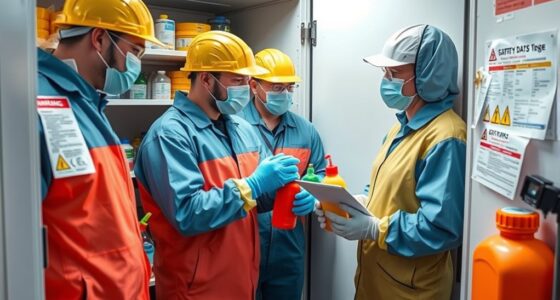
Implementing safety protocols as part of your zone management is imperative. You should ensure that each cleaning zone has clear signage, safety equipment, and instructions to guide staff during cleaning procedures. For example, zones with high-risk machinery or chemicals require special attention, including the use of personal protective equipment (PPE) and proper handling procedures. Training your team on safety protocols specific to each zone not only reduces accidents but also promotes a culture of safety awareness. When staff understand the importance of adhering to safety protocols, they’re more likely to follow proper cleaning methods and report potential hazards before they cause harm. Consistent enforcement of safety procedures also involves regular audits and feedback, helping to identify areas for improvement and reinforce best practices.
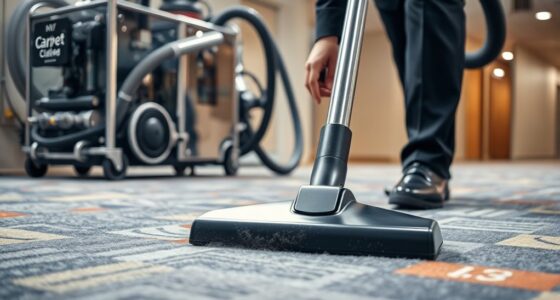
Furthermore, integrating safety protocols into your cleaning schedule guarantees that safety measures are not overlooked during routine cleaning. For instance, scheduling maintenance and cleaning during planned downtime minimizes the risk of exposure to moving machinery or hazardous substances. Using color-coded cleaning tools and designated areas for waste disposal can prevent cross-contamination and accidental mishaps. It’s essential to regularly review and update your safety protocols, especially as new equipment or materials are introduced. This proactive approach keeps your facility compliant with regulatory requirements and demonstrates your commitment to worker safety. Incorporating specialized cleaning equipment can further enhance efficiency and safety during cleaning routines.
Frequently Asked Questions
How Are Cleaning Zones Determined in a Manufacturing Facility?
You determine cleaning zones by evaluating the level of contamination control needed in different areas. Zone classification helps you categorize spaces based on their use, risk, and potential contamination sources. You establish strict protocols for high-risk zones, ensuring thorough cleaning and sanitation. This systematic approach helps you maintain product quality and safety, preventing cross-contamination. Regular reviews of zone classification ensure your contamination control measures stay effective and aligned with industry standards.
What Are the Best Cleaning Agents for Different Zones?
You should choose cleaning agents based on each zone’s specific needs. For general areas, eco-friendly disinfectants work well, reducing environmental impact. In high-touch or contaminated zones, industrial cleaning agents provide powerful sanitation. Always consider the surface material and contamination level. Using eco-friendly disinfectants helps maintain safety and sustainability, while industrial cleaning agents ensure thorough cleaning where necessary. This tailored approach keeps your facility safe, clean, and compliant.
How Often Should Each Zone Be Cleaned and Inspected?
Did you know that over 60% of manufacturing defects are caused by poor cleaning? You should establish a cleaning schedule based on each zone’s use and contamination risk. High-traffic or critical zones require daily cleaning and inspection, while less critical areas can be cleaned weekly. Regular inspection frequency guarantees cleanliness standards are maintained, preventing contamination and ensuring safety. Adjust your schedule as needed to keep operations running smoothly and maintain quality.
What PPE Is Required for Cleaning Different Zones?
You need to wear appropriate personal protective equipment (PPE) for cleaning different zones, including gloves, eye protection, and masks, depending on the hazards. In spill containment areas, use spill-resistant PPE and absorbent materials. Always assess the specific zone to determine if additional gear like aprons or respirators is necessary. Proper PPE guarantees safety, prevents contamination, and helps you handle spills effectively while maintaining cleanliness standards.
How Is Contamination Risk Managed Between Zones?
You might think contamination risk is unavoidable, but with proper cross contamination prevention, you can keep zones separate. Follow zone-specific protocols diligently—change PPE, clean equipment, and disinfect surfaces when moving between areas. Implement clear procedures and training to guarantee staff understand the importance of these steps. This proactive approach minimizes risks, maintains product integrity, and ensures safety across your facility, making contamination prevention an achievable goal.
Conclusion
By understanding and properly implementing designated cleaning zones, you can markedly reduce contamination and improve safety in your manufacturing facility. Imagine a well-maintained environment where every area is meticulously cleaned, preventing the spread of germs and debris. This isn’t just theory—studies show that structured cleaning zones lead to fewer defects and higher quality products. So, when you prioritize these zones, you’re not just cleaning; you’re creating a safer, more efficient manufacturing space for everyone.