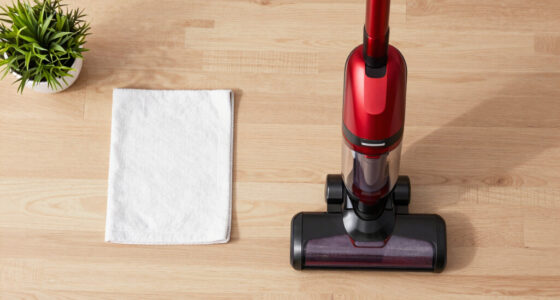
Residue builds up even after cleaning because you might be using the wrong products or methods that leave behind films, oils, or mineral deposits. Wiping once or not rinsing thoroughly can trap leftover cleaning chemicals, causing sticky build-up over time. Inappropriate cleaning tools or infrequent deep cleaning also allow residues to embed and harden. If you want to discover how to prevent this persistent buildup effectively, there’s more to take into account.

Get cleaning gear delivered free with Prime
- Fast, free delivery on millions of items
- Prime Video, Amazon Music and more included
- Member-only deals all year
Key Takeaways
- Using improper cleaning products can leave chemical residues that cause buildup over time.
- Inadequate rinsing leaves behind soap or cleaning agents that attract dirt and promote residue accumulation.
- Applying unsuitable cleaning techniques may embed residues rather than remove them effectively.
- Infrequent or superficial cleaning allows residues to harden and embed into surfaces.
- Not considering surface material and residue chemistry can lead to ineffective cleaning and persistent buildup.

Have you ever noticed a stubborn film or buildup on your surfaces or appliances that just won’t go away? It’s frustrating, especially when you think you’ve cleaned thoroughly. The truth is, residue buildup often persists because of the way you approach cleaning techniques and the nature of product residue itself. Sometimes, it’s not about how hard you scrub, but about how well you understand what’s really happening on the surface.
When you clean, you might be using the wrong cleaning techniques or products that aren’t suited for the type of residue you’re dealing with. Many cleaning products leave behind a thin film or chemical residue if not rinsed properly or if they aren’t designed for your specific surfaces. For example, using an all-purpose cleaner on a greasy stovetop might remove surface grime temporarily but leave behind a film that attracts more dirt over time. So, even after wiping, a layer of product residue can remain, making it seem like the buildup is permanent.
Another common mistake is relying solely on wiping or scrubbing without considering the chemical composition of the residues. Some substances, like soap scum, mineral deposits, or oil-based products, require special cleaning techniques. For instance, hard water minerals need acidic cleaners to dissolve them, while grease may need degreasers. If you don’t use the right approach, the residue can become embedded in the surface or simply smudged around, giving the appearance that it’s still there even after cleaning. Recognizing the chemical makeup of residues can help you choose the most effective cleaning methods. Additionally, understanding surface compatibility is essential to avoid damage and ensure proper cleaning.
It’s also easy to overlook the importance of rinsing thoroughly. Many people assume that wiping once is enough, but leftover cleaning solution or soap can create a sticky film that attracts dirt, making the buildup worse over time. Proper rinsing, especially after using potent cleaning agents, helps wash away product residue and prevents it from settling back onto the surface. Incorporating thorough rinsing techniques into your cleaning routine can significantly reduce residual buildup. Being aware of residue retention on different surfaces can also guide you on how to best remove stubborn layers.
Furthermore, the frequency and method of cleaning influence residue buildup. Spot cleaning might temporarily remove dirt, but if you don’t regularly deep clean with appropriate techniques, residues can accumulate. Using abrasive scrubbers or harsh chemicals can damage surfaces, creating tiny crevices where residues hide, making them harder to remove. Regular maintenance and understanding the surface material are key to preventing persistent buildup.
In addition, understanding the chemical composition of residues can guide you to select more effective cleaning methods. This knowledge can lead to more efficient cleaning routines and help maintain a healthier indoor environment.
In the end, residue buildup isn’t just about what you’re cleaning; it’s about how you’re cleaning. Correct cleaning techniques, choosing the right products, thorough rinsing, and regular maintenance all play crucial roles in preventing and removing stubborn buildup. When you understand these factors and adapt your approach, you’ll find that surfaces stay cleaner longer, and the persistence of product residue diminishes.
As an affiliate, we earn on qualifying purchases.
Frequently Asked Questions
Can Residue Buildup Cause Health Issues Over Time?
Residue buildup can cause health risks over time, especially if it’s left unchecked. You might experience allergies, respiratory issues, or skin irritation from prolonged exposure. The long-term effects could include chronic conditions or weakened immune responses. Regular cleaning prevents these health risks by reducing bacteria and allergens that settle in residue. Staying vigilant about cleaning helps protect your health and minimizes the chances of long-term negative effects.
Are Certain Cleaning Products More Effective at Preventing Residue?
You’re better off with eco-friendly cleaners and natural solutions, as they tend to prevent residue better. These products are less likely to leave behind harsh chemicals that contribute to buildup over time. While some generic cleaners might seem effective, they often contain ingredients that cause residue to stick around. By choosing natural options, you’re ensuring a cleaner surface that stays residue-free longer, giving you peace of mind and a healthier home.
How Often Should I Deep Clean to Avoid Residue Buildup?
You should deep clean at least once a month to prevent residue buildup. Regular cleaning maintains surfaces and stops residues from accumulating over time. Incorporate deep cleaning tips like using the right cleaning products and thoroughly scrubbing hard-to-reach areas. Adjust your cleaning frequency based on usage and environment. Staying consistent guarantees surfaces stay residue-free and prolongs their lifespan, making your cleaning routine more effective and less frequent.
Does Hard Water Contribute to Persistent Residue?
Yes, hard water definitely contributes to persistent residue. The mineral deposits in hard water, like calcium and magnesium, combine with soap scum, forming stubborn build-up that’s hard to remove completely. Even if you clean regularly, these mineral deposits can settle and stick around, making residue reappear quickly. To combat this, consider using a water softener or vinegar-based cleaning solutions to break down the deposits and keep surfaces cleaner longer.
Can Residue Buildup Damage Appliances or Surfaces?
Residue buildup is like a silent invader, slowly damaging your appliances and surfaces. It can cause appliance corrosion, weakening their structure over time, and lead to stubborn surface staining that dulls their appearance. Ignoring this buildup allows corrosive elements to embed deeper, increasing the risk of costly repairs or replacements. Regular cleaning and maintenance are essential to prevent this damage, preserving both the functionality and beauty of your appliances and surfaces.
Conclusion
Residue build-up is like weeds in a garden—you might think you’ve pulled them all out, but tiny roots can hide beneath the surface. Even after cleaning, unseen residues cling on, waiting to reappear with the next use. To keep your space spotless, you need to dig a little deeper, ensuring every nook and cranny is truly clear. Stay vigilant, and your cleanliness will flourish, just like a well-tended garden in full bloom.
Halloween Picks
halloween
As an affiliate, we earn on qualifying purchases.