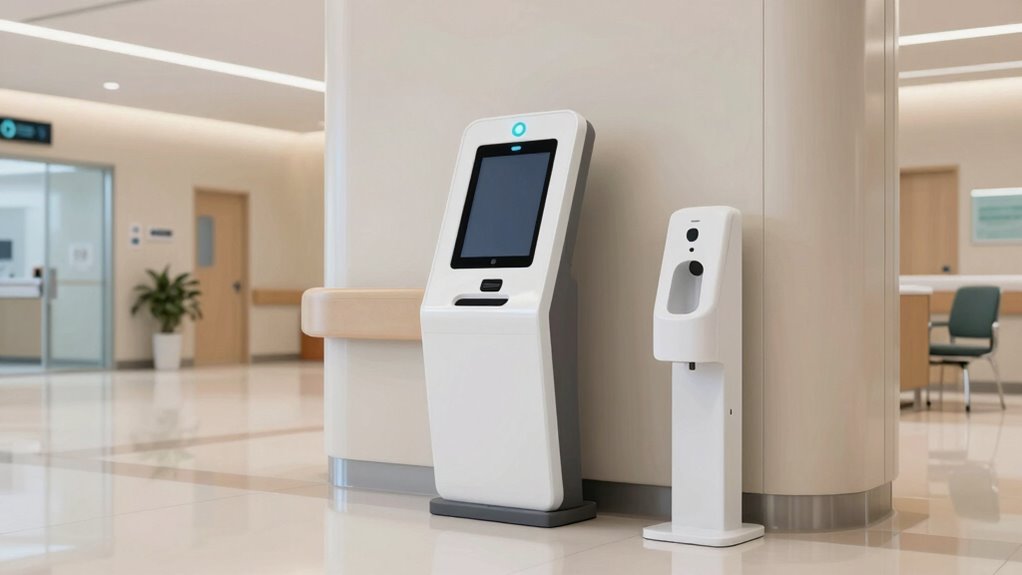

Even with touchless equipment, you still need touchpoint planning to guarantee safety, reliability, and a smooth user experience. Proper sensor placement and layout help prevent false activations and environmental issues. Regular calibration and maintenance keep devices working accurately over time, while thoughtful positioning extends equipment lifespan. User training minimizes misuse and boosts confidence. If you explore further, you’ll discover how strategic planning maximizes safety and performance in touchless systems.
Key Takeaways
- Proper placement prevents false activations and enhances detection accuracy, ensuring reliable touchless operation.
- Strategic touchpoint planning mitigates environmental interference and sensor interference from nearby devices.
- Well-designed touchpoints improve user accessibility, safety, and overall system usability.
- Regular maintenance and calibration address sensor drift, maintaining consistent performance over time.
- Thoughtful layout reduces wear, extends equipment lifespan, and minimizes the need for frequent repairs.
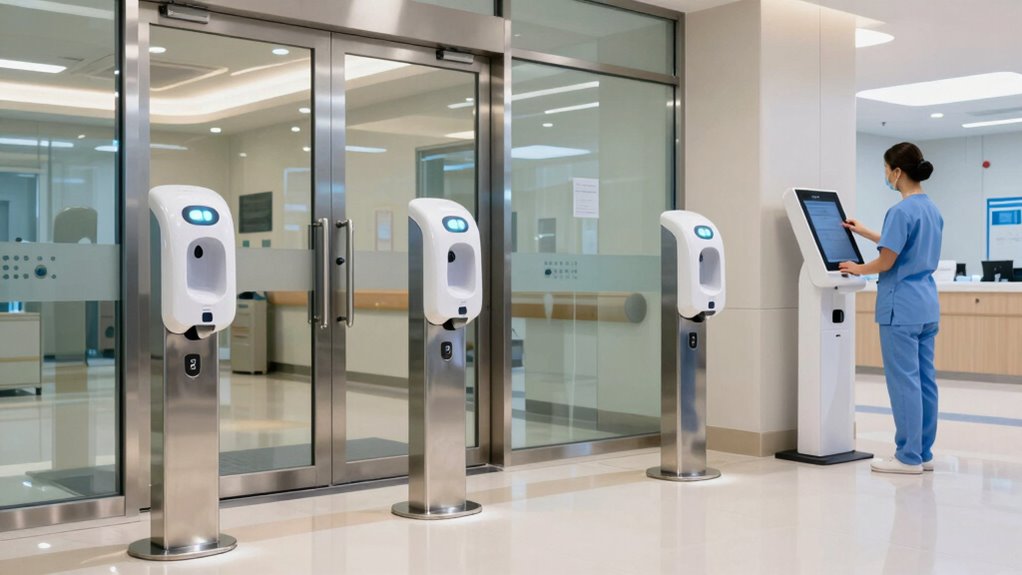
As businesses seek to enhance safety and hygiene, implementing touchless equipment and strategic touchpoint planning has become crucial. You might think that switching to touchless technology automatically eliminates most risks associated with surface contact, but that’s not entirely true. Touchless systems still require careful planning to guarantee they operate correctly and deliver the intended safety benefits. One critical aspect is sensor calibration. If sensors aren’t properly calibrated, they may not respond accurately, leading to frustration and potentially compromising hygiene standards. For example, a poorly calibrated sensor might not detect your hand swiftly, causing delays or requiring multiple attempts to activate the system. Regular sensor calibration becomes essential to maintain responsiveness and reliability, especially as environmental conditions change or over time as sensors age. Additionally, environmental factors such as temperature, humidity, or dust can impact sensor performance, making ongoing sensor calibration vital for consistent operation.
Beyond technical calibration, user training plays a pivotal role in effective touchless equipment deployment. Even the most advanced sensors will underperform if users aren’t familiar with how to operate or interact with the system properly. You need to guarantee that staff and customers understand how to use touchless devices correctly, whether it’s activating a sensor-activated faucet or a motion-activated door. Clear signage, demonstrations, or brief training sessions help prevent misuse that can lead to system failures or hygiene issues. Proper user training minimizes the risk of false activations, reduces wear and tear caused by improper use, and promotes confidence in the technology. Furthermore, understanding how environmental factors can influence sensor performance can help users troubleshoot minor issues themselves and reduce reliance on maintenance teams. Regular feedback from users can also identify potential touchpoint issues before they escalate into larger problems. Incorporating feedback mechanisms allows for continuous improvement and adaptation of touchless systems based on real-world use. Additionally, comprehensive documentation of common issues and solutions can streamline troubleshooting and reduce downtime.
Touchpoint planning doesn’t end with just installing sensors; it involves anticipating user interactions and potential points of failure. For example, consider the placement of sensors—if they’re too high or too low, they may not detect users effectively. If multiple touchless devices are in close proximity, they might interfere with each other, causing confusion or unintentional activations. You need to plan these touchpoints thoughtfully, ensuring they’re accessible, intuitively placed, and compatible with the environment. This planning also involves understanding how users will interact with the equipment and designing the layout accordingly. Incorporating environmental considerations into your planning ensures the longevity and effectiveness of your touchless solutions.
Furthermore, ongoing maintenance and calibration are integral to touchpoint planning. Sensors might drift out of calibration over time, especially in high-traffic areas or harsh environments, which diminishes their effectiveness. Regularly scheduled sensor calibration and maintenance checks are necessary to keep systems functioning at their best. When you combine this with thorough user training, you’re more likely to see consistent performance, fewer malfunctions, and a safer, more hygienic environment. Even with touchless technology, strategic touchpoint planning remains essential for achieving the full safety benefits and ensuring user confidence. Proper documentation of maintenance routines can also streamline troubleshooting and prolong the lifespan of your equipment. Incorporating preventive maintenance strategies into your plan helps avoid unexpected failures and keeps systems operating smoothly.
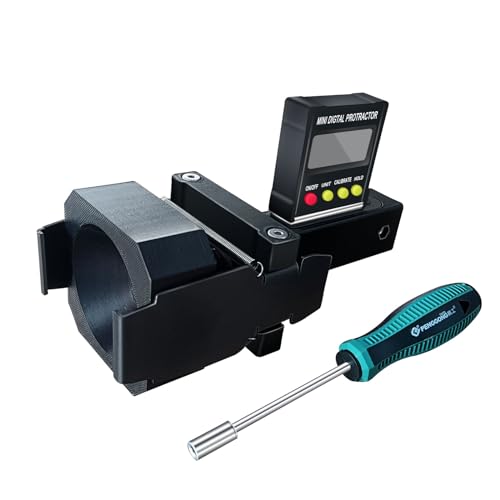
Dynamic ACC Positioning Tool For Eyeball Unit, ADAS Calibration Tool
- Power Source: Requires 2 AAA batteries (not included)
- Compatibility: Designed for eyeball unit only
- Calibration Type: Suitable for dynamic ACC calibration
As an affiliate, we earn on qualifying purchases.
As an affiliate, we earn on qualifying purchases.
Frequently Asked Questions
How Do Touchless Systems Impact Overall Maintenance Costs?
Touchless systems can reduce overall maintenance costs by improving cost efficiency and system durability. Since they have fewer moving parts and less physical wear, you spend less on repairs and replacements. Plus, their streamlined operation minimizes downtime, saving you time and money. However, regular touchpoint planning remains essential to make sure these systems stay in top condition, preventing unexpected issues and maintaining long-term cost efficiency.
What Training Is Needed for Staff to Operate Touchless Equipment?
You need to provide staff training focused on user proficiency to guarantee they operate touchless equipment effectively. This includes teaching proper use, troubleshooting common issues, and understanding safety protocols. Hands-on demonstrations and clear instructions help staff become comfortable with the technology. Regular refresher sessions also keep everyone updated on new features or procedures, minimizing errors and ensuring smooth, safe operation of the touchless systems.
Are Touchless Solutions Compatible With Existing Infrastructure?
Touchless solutions can be compatible with your existing infrastructure, but compatibility challenges may arise. You need to evaluate your current systems for seamless infrastructure integration, ensuring that new touchless technology aligns with existing wiring, software, and hardware. Collaborate with vendors to address potential issues early on, and plan for any necessary upgrades or modifications. Proper planning guarantees smooth implementation, avoiding disruptions and maximizing the benefits of your touchless solutions.
How Do Touchless Devices Handle Power Outages or Technical Failures?
When power outages or technical failures happen, touchless devices often rely on power backup systems like batteries or generators to stay operational. System redundancy is also vital, guaranteeing alternative components or pathways activate automatically if one fails. You should regularly test these backup solutions and redundancies to confirm they work effectively during emergencies, minimizing downtime and maintaining a seamless user experience despite technical issues.
What Are the Best Practices for Updating Touchless Technology?
When updating touchless technology, you should regularly calibrate sensors to guarantee accuracy and reliability. Keep firmware and software up-to-date to improve performance and security. Also, review and enhance user authentication methods to prevent unauthorized access. Test the system thoroughly after updates, and document all changes. By following these best practices, you ensure your touchless equipment remains effective, safe, and aligned with evolving user needs.
Conclusion
Think of touchless equipment as a garden: it needs careful touchpoint planning to flourish. Even without direct contact, your setup still demands strategic pathways to guarantee safety, efficiency, and user confidence. Neglecting this planning is like planting seeds in barren soil—you might get growth, but it’s uncertain and fragile. By designing thoughtful touchpoints, you’re cultivating a resilient, thriving environment where technology and people work together seamlessly, ensuring your touchless garden truly blooms.