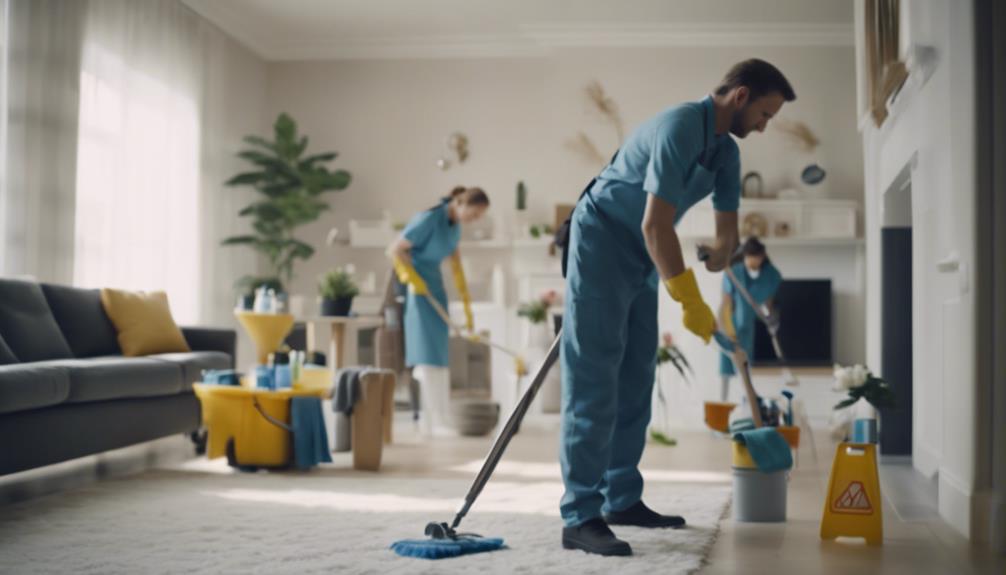
Cleaning removes dirt, dust, and debris but doesn’t necessarily kill germs. Sanitizing lowers microbes on surfaces to safe levels, especially in food areas or with children, but it doesn’t eliminate all germs. Disinfecting uses chemicals to destroy nearly all pathogens and is common in healthcare settings. Understanding these differences helps you choose the right method, ensuring a healthier environment. If you want to know more about how to apply these techniques effectively, keep exploring.

Get cleaning gear delivered free with Prime
- Fast, free delivery on millions of items
- Prime Video, Amazon Music and more included
- Member-only deals all year
Key Takeaways
- Cleaning removes dirt and debris but doesn’t guarantee germ reduction; disinfecting aims to kill most pathogens.
- Sanitizing lowers microbial counts to safe levels but may not eliminate all germs.
- Disinfecting uses chemicals designed to destroy or inactivate nearly all harmful microorganisms.
- Proper contact time and removing organic matter are essential for disinfectant effectiveness.
- Each method serves a specific purpose, with cleaning being the initial step, followed by sanitizing or disinfecting as needed.
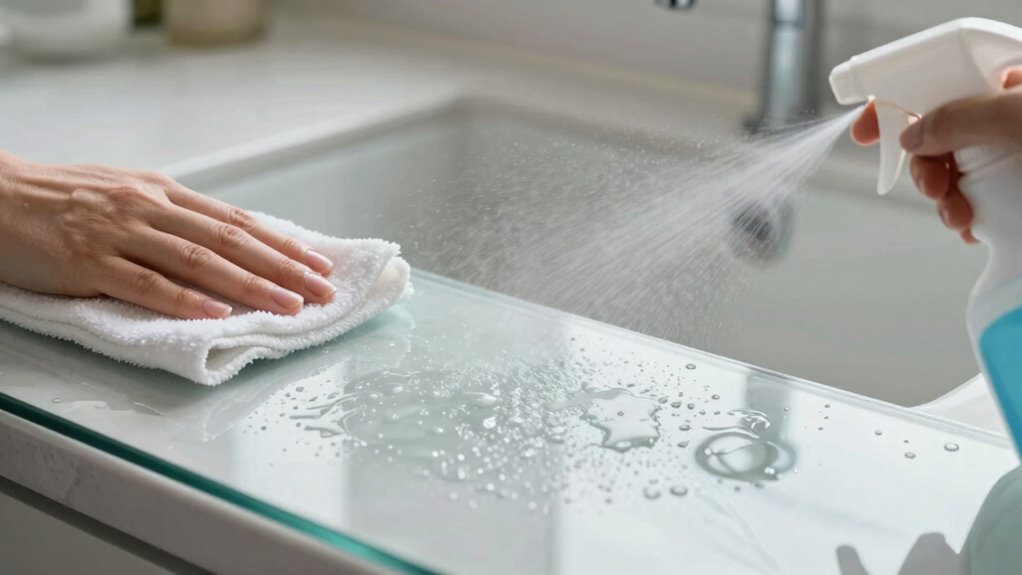
Understanding the differences between sanitizing, disinfecting, and cleaning is crucial for maintaining a healthy environment, yet many people often confuse these terms. When it comes to surface contamination, each approach serves a distinct purpose in controlling microbial presence. Cleaning involves removing dirt, dust, and debris from surfaces, but it doesn’t necessarily kill germs. It’s the first step in reducing surface contamination, making surfaces look and feel fresh. However, cleaning alone doesn’t guarantee a significant reduction in microbes, especially on high-touch surfaces, which can harbor dangerous bacteria and viruses.
Sanitizing takes things a step further by reducing the number of microbes on a surface to a safe level, as defined by public health standards. This process is often used in food service areas or around children, where microbial reduction is critical to prevent illness. You typically use sanitizing products that are approved to lower bacteria and other pathogens to a safer level, but these products aren’t always capable of killing all types of germs. Instead, they focus on minimizing the risk of infection, which is especially important in environments where surface contamination could lead to health issues. Additionally, understanding surface contamination helps determine the appropriate level of cleaning or disinfecting required in different settings.
Disinfecting, on the other hand, is the most aggressive approach. It involves applying chemical agents specifically designed to destroy or inactivate most bacteria, viruses, fungi, and other pathogens. When you disinfect, you’re aiming for a high level of microbial reduction, often eliminating nearly all harmful microorganisms present on the surface. Disinfectants are used in hospitals, clinics, and other high-risk settings where preventing the spread of infectious diseases is crucial. You need to allow the disinfectant to remain on the surface for a specified contact time to ensure maximum efficacy. This process is essential after cleaning to remove organic matter that could interfere with the disinfectant’s ability to work effectively. Proper application techniques are vital to ensure the disinfectant’s effectiveness and safety. Understanding microbial reduction methods can help optimize sanitation procedures and improve safety standards. Recognizing the appropriate disinfectant for each situation is key to effective infection control. A thorough understanding of cleaning procedures and their role in the overall sanitation process ensures that each step is effectively contributing to a healthier environment.
Products Worth Considering

Dyson Big Ball Multi Floor Canister Vacuum, Yellow

Ring Alarm 14-Piece Wireless Security System Kit

Samsung 85-Inch M70H Series Mini LED 4K Smart TV (2026)
As an affiliate, we earn on qualifying purchases.
Frequently Asked Questions
How Long Do Disinfectants Stay Effective After Application?
Disinfectants typically stay effective for about 10 minutes after application, but this can vary based on the product and surface. The disinfectant longevity depends on factors like contact time and environmental conditions. To maintain efficacy duration, guarantee proper application, follow manufacturer instructions, and avoid touching or contaminating the area immediately after disinfecting. Regular reapplication is essential for ongoing sanitation and protection.
Can Cleaning Alone Eliminate All Germs and Bacteria?
Imagine a surface covered in a thin, invisible film of germs and bacteria. Cleaning alone can reduce surface contamination and remove dirt, but it doesn’t eliminate all germs. While it improves cleaning effectiveness, some microbes can linger. To truly eliminate harmful pathogens, you need disinfecting. Relying solely on cleaning leaves behind unseen threats, so for thorough protection, combine cleaning with proper disinfecting routines.
Are There Specific Products for Sanitizing Versus Disinfecting?
Yes, there are specific products for sanitizing versus disinfecting. Sanitizers typically reduce germs to safe levels, while disinfectants kill a broader range of bacteria and viruses. When choosing products, consider safety and environmental impact—look for those with proven efficacy and safe ingredients. Using the right product guarantees effective germ control without compromising product safety or harming the environment, giving you peace of mind while maintaining a clean space.
How Often Should Surfaces Be Disinfected in High-Traffic Areas?
Think of high-traffic surfaces like the battlegrounds of a busy city—frequent cleaning is your best defense. Disinfect these areas daily, or even more often if needed, to maintain surface longevity and optimize product efficacy. Regular disinfection reduces germs, keeping everyone safer and healthier. In spaces like entrances or restrooms, multiple times a day is ideal. Trust your routine to keep the environment clean and protected, just like a vigilant guardian.
What Are the Health Risks of Improper Disinfectant Use?
Improper disinfectant use can pose health risks like skin irritation, respiratory issues, or chemical burns. You should always guarantee proper application by following the manufacturer’s instructions and maintaining good ventilation. Prioritize chemical safety by wearing gloves and eye protection, and avoid mixing different disinfectants. Incorrect use can lead to ineffective sanitation and potential poisoning, so handling disinfectants carefully is essential to protect yourself and others from harm.
Conclusion
Now that you know the difference between cleaning, sanitizing, and disinfecting, you’re better equipped to choose the right approach for each situation. Think of it like tailoring your approach to different types of dirt—you wouldn’t use a toothbrush to clean your floors! By understanding these distinctions, you can keep your space safer and healthier. Remember, using the right method is like planting seeds for a cleaner, germ-free environment that’s just as easy to maintain as watering your garden.