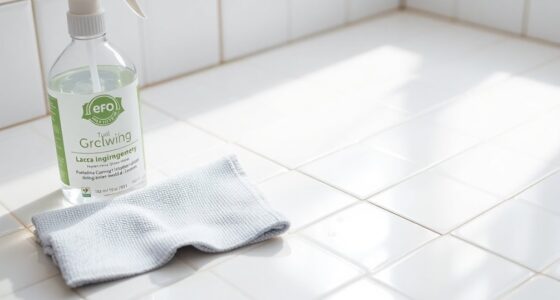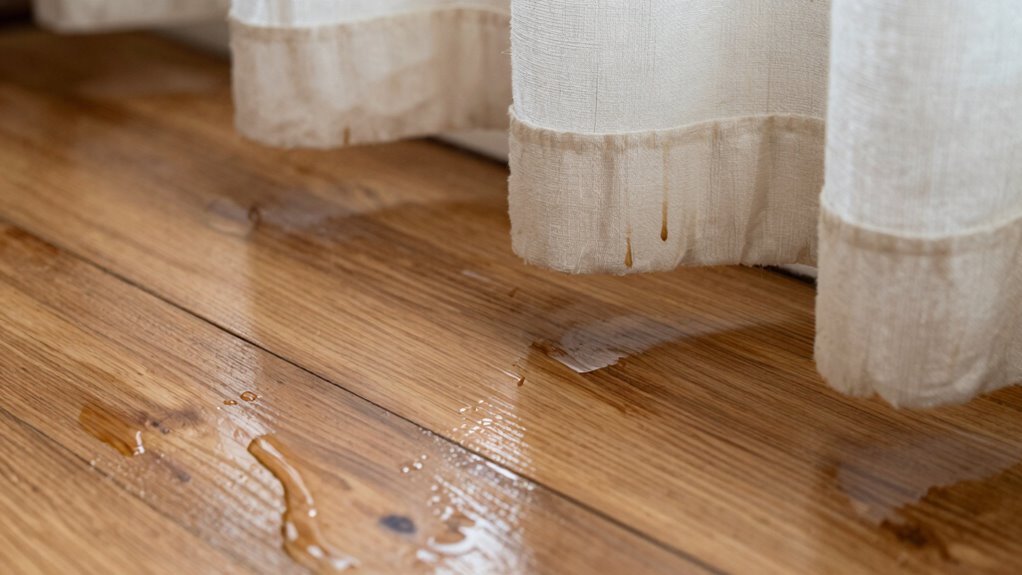

Over-wetting floors and fabrics can lead to serious damage you might not see right away. Excess moisture causes wood to warp, swell, or crack and makes carpets hard to dry, creating damp, mold-prone environments. Mold can quickly develop in poorly ventilated areas, leading to health issues like allergies and respiratory problems. Ignoring these issues can result in costly repairs and long-term structural damage. If you want to understand how to prevent these problems and keep your home safe, keep exploring.

Get cleaning gear delivered free with Prime
- Fast, free delivery on millions of items
- Prime Video, Amazon Music and more included
- Member-only deals all year
Key Takeaways
- Over-wetting can cause wood floors to warp, swell, or crack over time, leading to costly repairs.
- Excess moisture promotes mold growth, which can damage materials and cause health issues.
- Proper drying with fans or dehumidifiers prevents long-term damage and mold development.
- Ignoring moisture damage weakens structural integrity and increases the need for expensive remediation.
- Prompt moisture control and ventilation are essential to maintain surface integrity and indoor health.
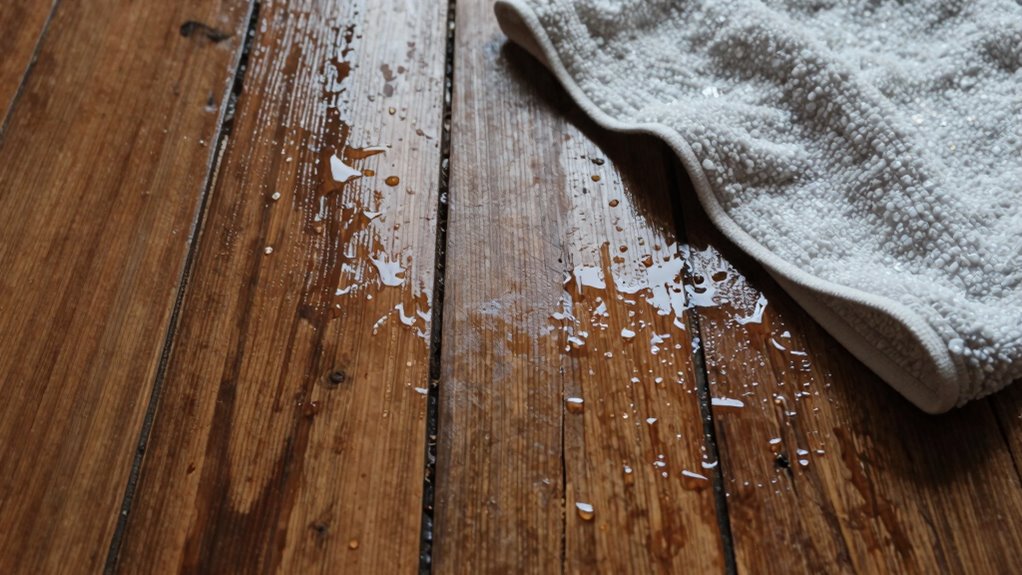
Over-wetting floors and fabrics might seem like a minor mistake, but it can cause serious damage if not addressed properly. When you use too much water during cleaning or spill liquids that aren’t dried quickly, moisture seeps into the surfaces and materials. This excess moisture can lead to moisture damage, weakening the structural integrity of your floors and furniture over time. Wood floors, for example, can warp, swell, or crack when exposed to prolonged dampness. Carpets and fabrics, on the other hand, absorb water, creating a moist environment that’s difficult to dry thoroughly.
Over-wetting surfaces can cause long-term damage and structural issues if not dried promptly and properly.
If you leave these areas damp for too long, mold growth becomes a real risk. Mold thrives in humid, poorly ventilated spaces where moisture remains trapped. Once mold spores settle on damp surfaces, they begin to grow rapidly, releasing spores into the air that can cause health issues like allergies, asthma, and respiratory problems. Mold not only damages the materials it colonizes but also creates a musty odor that’s tough to eliminate. More importantly, it can spread quickly through your home, affecting other areas and making the problem much harder to control.
You might think that simply wiping up a spill is enough, but if you don’t dry thoroughly, the residual moisture can still cause problems down the line. It’s essential to use proper drying techniques, like fans or dehumidifiers, to remove excess moisture quickly. When cleaning floors or fabrics, avoid excessive water application—use just enough to clean effectively, and then dry the area immediately. For carpets, consider using a wet/dry vacuum or professional cleaning tools that extract water rather than just applying it. Proper drying is crucial because moisture control can prevent long-term damage.
Ignoring moisture damage and mold growth can lead to costly repairs and health hazards. Once mold settles in, removing it can be complex, often requiring professional remediation. Structural damage from moisture can weaken floors and walls, leading to expensive repairs or replacements. Additionally, ventilation plays a vital role in reducing indoor humidity levels and preventing mold growth, making it a key factor in moisture management. Ensuring adequate air circulation helps to keep surfaces dry and inhibit mold development. Persistent mold problems may mean replacing carpets, drywall, or even entire flooring systems. Preventing these issues is simple: control moisture levels, dry wet surfaces promptly, and keep your home well-ventilated.
In the end, being cautious about over-wetting isn’t just about cleanliness—it’s about protecting your health and property. Taking the time to dry surfaces properly and avoid excess water will save you money, headaches, and potential health issues in the long run.
Frequently Asked Questions
Can Over-Wetting Damage the Underlying Floor Structure?
Yes, over-wetting can damage the underlying floor structure. When you use too much water, it seeps into the layers below, causing the wood or subfloor to warp. This floor warping weakens the structure over time and can lead to costly repairs. To avoid this, be cautious with moisture levels during cleaning or waterproofing, ensuring you don’t saturate the floor, which could cause long-term structural damage.
How Long Does It Take for Fabrics to Fully Dry After Over-Wetting?
Oh, you’re enthusiastic to know how long your soggy fabric will take to dry? Well, it depends on fabric texture and your drying techniques. Thin, smooth fabrics may dry in a few hours, while thick, textured ones could take a day or more. To speed things up, use fans, dehumidifiers, or gentle heat. Patience is key—don’t rush, or you’ll just end up with a damp, sad fabric.
Are There Specific Cleaning Products That Prevent Over-Wetting?
Yes, there are cleaning solutions designed to help prevent over-wetting. Look for cleaning solutions that are labeled as quick-drying or low-moisture, which minimize excess water. Additionally, waterproof sprays can be applied to fabrics and floors to create a moisture-resistant barrier, reducing the risk of over-wetting. Always follow product instructions carefully to guarantee effectiveness. Using these products helps you maintain surfaces without over-saturating them, making cleaning safer and more efficient.
What Are the Signs of Mold Growth From Over-Wetting?
If you notice a musty smell or visible dark spots on walls or fabrics, mold growth from over-wetting might be happening. Signs include peeling paint, bubbled wallpaper, or increased humidity. To prevent mold, focus on moisture control and mold prevention strategies, like fixing leaks quickly and ensuring proper ventilation. Keeping areas dry and well-ventilated helps stop mold from forming and keeps your space healthy.
Does Over-Wetting Affect Indoor Air Quality?
You know what they say, “A little water can go a long way.” Over-wetting can definitely impact indoor air quality by increasing humidity levels, which promotes airborne pollutants like mold spores and dust mites. This excess moisture creates a breeding ground for allergens, making the air feel stuffy or stale. To keep your air clean and healthy, it’s crucial to control humidity levels and avoid over-wetting surfaces.
Conclusion
Next time you spill water or clean your floors, remember that over-wetting isn’t just a mistake—it’s a coincidence waiting to happen. As you reach for that towel, you might notice a forgotten fabric tucked away, soaking up more than just the liquid. Sometimes, a simple oversight can lead to bigger issues. Stay mindful, and you’ll catch these moments before they turn into costly repairs—it’s all about paying attention to those little details in everyday life.
Fall Picks
fall essentials
As an affiliate, we earn on qualifying purchases.