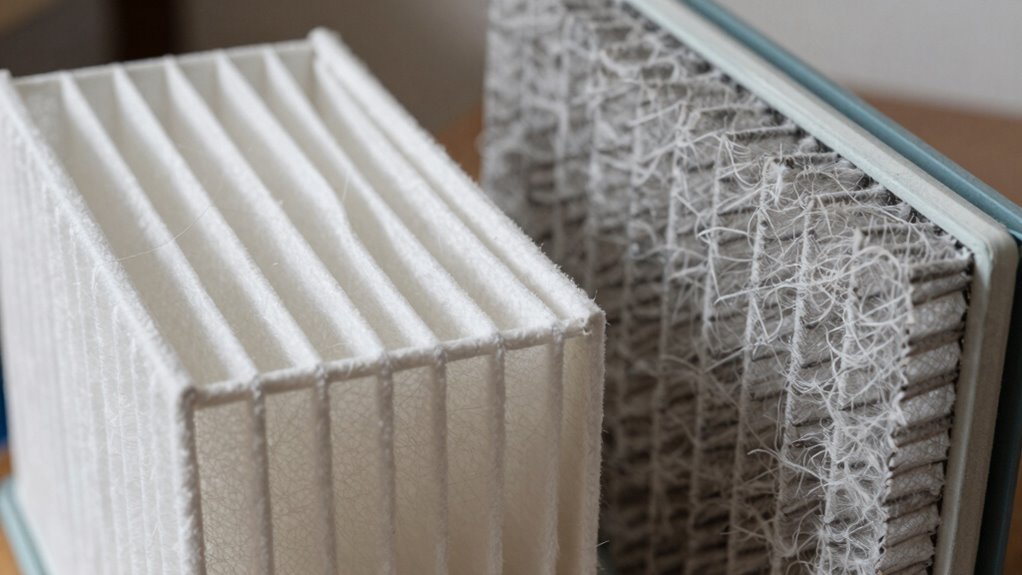
When comparing HEPA to “HEPA-like” filters, it’s important to know that true HEPA filters capture at least 99.97% of particles as small as 0.3 microns, offering reliable air purification for allergies and respiratory health. In contrast, “HEPA-like” filters often only mimic appearance or basic functions without meeting strict standards, which means they may not effectively remove airborne particles. To better understand these differences and find the right option for your needs, keep exploring.

Get cleaning gear delivered free — and shop member deals
- Fast, free delivery on millions of items
- Access to Prime Big Deal Days deals on October 6–7
- Prime Video, Amazon Music and more included
Key Takeaways
- True HEPA filters capture ≥99.97% of 0.3-micron particles, while ‘HEPA-like’ filters often do not meet these standards.
- ‘HEPA-like’ filters may mimic appearance but typically have lower filtration efficiency and effectiveness.
- Regular filter replacement is essential for maintaining performance in both true HEPA and ‘HEPA-like’ filters.
- Many listings obscure the difference, leading consumers to overestimate ‘HEPA-like’ filters’ air cleaning capabilities.
- Verifying certifications ensures you choose filters that genuinely improve air quality, not just resemble true HEPA filters.
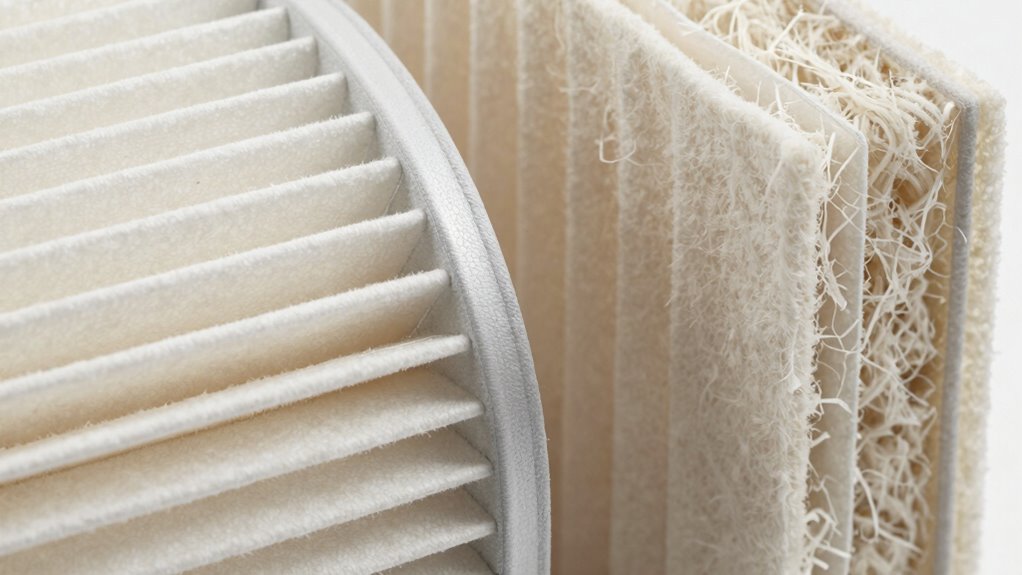
Have you ever wondered how air purifiers remove tiny particles from the air? It all comes down to the type of filter they use and how effectively it can trap pollutants. When it comes to HEPA filters and what’s often marketed as “HEPA-like” filters, understanding the differences is essential for maintaining good air quality. Many listings emphasize HEPA filters’ superior filtration, but some products labeled as “HEPA-like” may not deliver the same level of performance. This discrepancy is usually rooted in the filter’s true capabilities and how well it performs in real-world conditions.
HEPA filters are designed to capture at least 99.97% of particles as small as 0.3 microns, including dust, pollen, pet dander, and even some bacteria. This high efficiency makes them a top choice for improving air quality in homes, especially for allergy sufferers or those with respiratory issues. However, not all filters labeled as “HEPA” meet these strict standards. Some products use the term loosely to appeal to consumers, but their filters might only be “HEPA-like,” meaning they mimic HEPA filters’ appearance or basic function but don’t achieve the same particle removal rates. This is where filter maintenance becomes critical. If you’re using a true HEPA filter, regular replacement is necessary to maintain its filtration efficiency. A clogged or dirty filter will not only reduce air quality but also hinder airflow, making your air purifier work harder and use more energy.
Understanding the importance of filter maintenance helps ensure you’re getting the maximum benefit from your device. A clean, properly functioning HEPA filter maintains ideal air quality by consistently trapping airborne particles. Conversely, a “HEPA-like” filter that isn’t regularly checked or replaced may fail to improve air quality as promised, leaving you exposed to allergens and pollutants. It’s worth noting that some so-called “HEPA-like” filters rely on different filtration mechanisms, such as activated carbon or electrostatic charge, which may not be as effective at removing tiny particles. This can lead to a false sense of security when shopping for an air purifier.
To truly benefit from your air purifier, you need to pay attention to filter maintenance regardless of the filter type. Regularly replacing or cleaning filters as recommended by the manufacturer ensures consistent performance and keeps the air in your space cleaner. While “HEPA-like” filters might seem like a more affordable option, they often don’t provide the same level of air quality improvement. Ultimately, knowing what’s inside your filter—whether it’s a certified HEPA or a lesser “HEPA-like” alternative—will help you make smarter choices for your health and comfort.
As an affiliate, we earn on qualifying purchases.
Frequently Asked Questions
How Do HEPA and HEPA-Like Filters Differ in Certification?
You’ll find that HEPA filters meet strict certification standards, guaranteeing a minimum 99.97% filtration efficiency for particles as small as 0.3 microns. In contrast, HEPA-like filters don’t always adhere to these standards, so their filtration efficiency can vary considerably. Always check for proper certification to ensure the filter performs as promised. This way, you get reliable air quality and effective removal of airborne contaminants.
Are Hepa-Like Filters Effective Against All Airborne Particles?
You wonder if HEPA-like filters are effective against all airborne particles. While they can capture many airborne particles, their filter material effectiveness varies, so they don’t guarantee the same level of filtration as true HEPA filters. HEPA-like filters may trap larger particles, but smaller airborne particles like viruses and fine dust might slip through. Always check the filter’s specifications to ascertain it meets your needs for thorough airborne particle filtration.
Can Hepa-Like Filters Be Used in Medical Settings?
You can use HEPA-like filters in medical settings, but they’re mainly suited for industrial applications and consumer use. While they capture many airborne particles, they don’t meet the strict standards of true HEPA filters required in hospitals or laboratories. For essential medical environments, stick with certified HEPA filters to guarantee ideal air quality and safety. HEPA-like filters are good for general air purification but aren’t a substitute in critical medical scenarios.
How Often Should HEPA and HEPA-Like Filters Be Replaced?
Your filters are your first line of defense, so don’t let them slack off! HEPA filters typically need replacing every 6 to 12 months, while HEPA-like filters last about 3 to 6 months. Check the filter lifespan regularly and follow manufacturer recommendations for replacement frequency. A clean filter keeps your air pure and your environment safe, preventing dust and allergens from taking over like an unstoppable tidal wave.
Do Hepa-Like Filters Produce Any Harmful Emissions?
Hepa-like filters generally don’t produce harmful emissions, but some may release trace chemicals from manufacturing or binders, raising chemical concerns. It is crucial to check product labels for any added chemicals or adhesives that could emit volatile organic compounds (VOCs). While most filters are safe, if you have chemical sensitivities, choose filters specifically designed to minimize emissions and ensure good air quality.
Conclusion
Think of HEPA filters like a top-tier security system—designed to catch the tiniest intruders. I once bought a “HEPA-like” filter for my home, only to find it let dust and allergens slip through, much like a flimsy gate. That’s why knowing the difference matters. When you choose the right filter, you’re building a fortress around your health. Don’t settle for less—your lungs deserve the best protection available.
Fall Picks
fall essentials
As an affiliate, we earn on qualifying purchases.