Understanding PSI, GPM, CFM, and TDS helps you choose and operate cleaning equipment effectively. PSI measures water pressure, impacting cleaning power and surface safety. GPM indicates how much water flows through your equipment, affecting speed and efficiency. CFM shows airflow strength for water removal and drying. TDS reflects water purity, influencing cleaning results and equipment upkeep. Mastering these terms guarantees you optimize performance—stay with us to discover how each element maximizes your cleaning success.
Key Takeaways
- Understanding PSI, GPM, CFM, and TDS helps optimize cleaning equipment performance and effectiveness.
- Proper knowledge of these terms ensures appropriate equipment selection for specific cleaning tasks.
- Monitoring GPM and CFM improves water and air flow efficiency, reducing waste and drying time.
- Managing TDS levels maintains water purity, preventing equipment scale buildup and ensuring cleaning quality.
- Clear comprehension of these terms enhances maintenance, troubleshooting, and operational decision-making.

Understanding equipment terminology is fundamental for cleaning professionals to work efficiently and communicate effectively. When you’re on the job, knowing what terms like PSI, GPM, CFM, and TDS mean can make a significant difference in how you handle equipment and deliver quality results. These terms are more than just technical jargon—they directly impact your approach to water purification and equipment maintenance, guaranteeing your tools operate at peak performance.
Starting with PSI, or pounds per square inch, this measurement indicates the pressure of water in your cleaning equipment. High PSI often means more power, which is essential for deep-cleaning tasks but also demands careful control to avoid damaging surfaces. Recognizing the right PSI setting for different jobs helps you maximize water force while preventing unnecessary wear or equipment strain. Proper understanding of PSI also influences your water purification choices, as certain filtration systems are better suited for high-pressure applications.
Understanding PSI helps optimize water pressure for effective cleaning without damaging surfaces.
GPM, or gallons per minute, measures how much water flows through your equipment each minute. This is indispensable because it determines the volume of water available for cleaning or water purification processes. A higher GPM can speed up cleaning tasks, but it also increases the need for maintenance. Keeping an eye on GPM helps you monitor equipment performance over time, ensuring that flow rates stay consistent and that filters or pumps are functioning correctly. When you understand GPM, you can better plan water usage and manage your resources more efficiently. Additionally, understanding GPM can help you optimize your water consumption to reduce waste and operational costs.
CFM, or cubic feet per minute, relates to the airflow generated by your equipment, especially in vacuum or extraction units. Knowing CFM helps you gauge the power of your air-moving tools, which is essential for thorough water removal and drying. Proper airflow management directly affects your water purification efforts, as faster drying reduces residual moisture that can lead to mold or damage. Regularly checking and maintaining your equipment’s CFM ensures peak performance and prevents airflow issues that could compromise your cleaning results. Additionally, understanding airflow capacity can help you select the right tools for specific cleaning tasks.
TDS, or total dissolved solids, measures the concentration of minerals and impurities in water. Understanding TDS levels is critical for water purification because high TDS can hinder cleaning effectiveness and cause scale buildup in your equipment. Using water with low TDS improves cleaning efficiency and reduces maintenance needs, extending your equipment’s lifespan. Regularly testing TDS levels allows you to adjust your filtration systems accordingly, guaranteeing you’re always working with the purest water possible. This knowledge is especially important when working in environments with mineral-rich water sources, as it helps you avoid unexpected equipment failures.
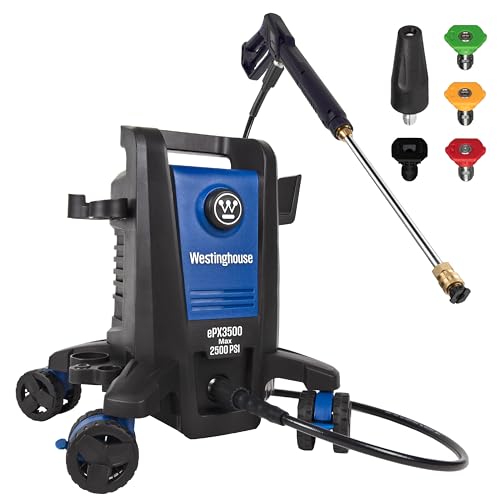
Westinghouse ePX3500 Electric Pressure Washer, 2500 Max PSI 1.76 Max GPM with Anti-Tipping Technology, Onboard Soap Tank, Pro-Style Steel Wand, 5-Nozzle Set, for Cars/Fences/Driveways/Home/Patios
- High Pressure and Flow Rate: 2500 PSI max, 1.76 GPM max flow
- Pro-Style Steel Wand: Extendable 17.5-inch wand with quick-connect nozzles
- Compact and Lightweight: 16.5 inches tall, 19 pounds for portability
As an affiliate, we earn on qualifying purchases.
As an affiliate, we earn on qualifying purchases.
Frequently Asked Questions
How Do PSI and GPM Influence Cleaning Effectiveness?
You influence cleaning effectiveness through proper pressure calibration and flow rate regulation. Higher PSI increases cleaning power by delivering more force, but too much can damage surfaces. GPM controls the flow rate, affecting how much water hits the area and how quickly it’s cleaned. Balancing PSI and GPM guarantees you use the right pressure and flow, optimizing cleaning results without causing harm or wasting resources.
What Safety Precautions Are Needed When Handling High CFM Equipment?
When handling high CFM equipment, you better suit up with personal protective equipment—think gloves, goggles, and masks—unless you enjoy turning your face into a wind tunnel. Always prioritize chemical safety too, ensuring proper ventilation and understanding the chemicals you’re spraying. This way, you prevent accidents, inhalation hazards, and skin irritations, making your cleaning job safer and more efficient—because nothing says “professional” like surviving the job unscathed.
How Is TDS Measured in Water Quality Testing?
In water quality testing, you measure TDS by using a TDS meter, which quickly gives you a reading of total dissolved solids. You simply dip the probe into the water sample, turn on the device, and it displays the TDS level in parts per million (ppm). This TDS measurement helps you assess water purity, ensuring your cleaning process uses safe, high-quality water for ideal results.
Can Equipment Terms Vary Between Different Cleaning Industries?
Ever wonder if equipment terms change like shifting sands across industries? They do! Industry-specific terminology shapes how cleaning pros talk about equipment, and calibration differences mean a pressure washer in one sector might operate differently elsewhere. You need to understand these nuances to avoid miscommunication and guarantee your equipment performs at its best. Recognizing these variations helps you adapt, communicate clearly, and deliver the best results, no matter the industry you’re working in.
What Maintenance Is Required for Equipment Using High PSI or CFM?
You should regularly check equipment calibration to guarantee it delivers consistent pressure and airflow. Clean filters and nozzles to prevent blockages, and inspect hoses for leaks or wear. Proper operator training is essential for safe usage and effective maintenance. Additionally, lubricate moving parts as recommended by the manufacturer, and schedule routine professional inspections. Maintaining your equipment this way helps prolong its lifespan and ensures peak performance when using high PSI or CFM.
Conclusion
Mastering these equipment terms isn’t just about knowing the words; it’s about wielding them like a seasoned craftsman. As you deepen your understanding, you’ll navigate cleaning challenges with confidence and precision—transforming jargon into your most powerful tool. Remember, the language of equipment isn’t just technical talk; it’s the key to accessing efficiency and excellence in every job. So, embrace these terms, and let them elevate your expertise to new heights.