Relying on a set-it-and-forget-it approach with disinfectant dwell times is a common mistake that can compromise surface sanitation. If you rush or skip the required contact time, harmful germs, viruses, and bacteria may survive, risking contamination. Properly following the recommended dwell time guarantees disinfectants work effectively and protects surfaces from damage. To get the best results and avoid mistakes, it’s important to understand how dwell time impacts cleaning success—stick around to learn more.
Key Takeaways
- Rushing disinfectant application risks incomplete pathogen elimination, compromising surface safety.
- Proper dwell time ensures disinfectants effectively kill germs, rather than just wetting surfaces.
- Skipping or shortening dwell time damages disinfection effectiveness, risking residual contamination.
- Sensitive surfaces require tailored dwell times to prevent damage while ensuring sanitation.
- Following manufacturer instructions guarantees correct dwell time, avoiding ineffective cleaning or surface harm.

Have you ever wondered why disinfectants sometimes specify a “dwell time”? It’s because this is the critical period during which the disinfectant needs to stay wet on a surface to effectively kill germs, viruses, and bacteria. Skipping or rushing through this step can leave pathogens behind, making your cleaning efforts ineffective. Understanding how dwell time works is essential, especially when considering surface compatibility and application techniques. Different surfaces react differently to disinfectants, so choosing the right product and applying it properly is key to ensuring thorough disinfection. Proper dwell time also plays a crucial role in maintaining cloud security and data integrity when disinfecting equipment that may be connected to cloud-based systems. Surface compatibility plays a significant role in how long a disinfectant should remain on a surface. Some materials, like plastics or certain metals, can tolerate longer exposure times without damage, while others, such as delicate electronic components or soft porous materials, require shorter contact times or specific disinfectants designed for those surfaces. If you overlook surface compatibility, you risk damaging your surfaces or reducing the disinfectant’s effectiveness. For example, leaving a harsh chemical on a sensitive surface for too long may cause discoloration or corrosion, defeating the purpose of cleaning altogether. Always check the manufacturer’s instructions for both the disinfectant and the surface you’re treating to avoid unintended damage.
disinfectant dwell time timer
As an affiliate, we earn on qualifying purchases.
As an affiliate, we earn on qualifying purchases.
Frequently Asked Questions
Can Dwell Time Vary Between Disinfectant Brands?
Yes, dwell time can vary between disinfectant brands due to differences in formulation impact. You should always check the label because brand differences mean each disinfectant has specific instructions. Some formulations require longer contact times to be effective, while others work faster. By following the recommended dwell time, you guarantee proper disinfection. Ignoring these differences can lead to incomplete sanitation and potential health risks.
How Does Temperature Affect Dwell Time Effectiveness?
Temperature impact greatly influences dwell time effectiveness, as higher temperatures enhance thermal efficacy, making disinfectants work faster and more thoroughly. When you increase the temperature, you help break down microbial cells more quickly, reducing the required dwell time. Conversely, lower temperatures can slow down the disinfectant’s action, meaning you might need to extend dwell times to ensure proper disinfection. Always consider temperature conditions to optimize your disinfectant’s efficacy.
Is Dwell Time the Same for All Surface Types?
Like a tailor fitting a suit, dwell time varies with surface porosity and material compatibility. You can’t use the same duration for glass, metal, or porous surfaces, as each absorbs disinfectants differently. For porous materials, longer dwell times ensure effective disinfection, while smoother surfaces need less. Always check manufacturer instructions, because neglecting these differences risks incomplete pathogen elimination, making your disinfection efforts as mismatched as a one-size-fits-all suit.
What Are Common Mistakes That Reduce Disinfectant Efficacy?
You often reduce disinfectant efficacy by not considering proper application methods and pH balance. If you apply too little or unevenly, the disinfectant won’t contact all surfaces properly. Additionally, ignoring the pH balance can neutralize the disinfectant’s effectiveness. Make sure you follow the recommended application method, cover all areas thoroughly, and maintain appropriate pH levels to guarantee maximum disinfectant performance.
Can Overextending Dwell Time Cause Surface Damage?
Pushing dwell time too far can be a sneaky way to cause surface corrosion or damage, especially if the disinfectant isn’t compatible with your materials. Overextending dwell time might weaken protective coatings or cause discoloration, reducing the surface’s lifespan. Always check material compatibility and follow manufacturer instructions to avoid unintended harm. Remember, patience with proper dwell time preserves both your surfaces and the disinfectant’s effectiveness.

CleanSmart Daily Surface Cleaner and Pet-Safe Disinfectant, Kills 99.9% of Viruses, Bacteria, 23 ounce Bottle (Pack of 2)
KILLS 99.9% OF VIRUSES AND BACTERIA and leaves no harsh residue PACKAGING MAY VARY
As an affiliate, we earn on qualifying purchases.
As an affiliate, we earn on qualifying purchases.
Conclusion
Remember, disinfectant dwell time is like baking a cake—you can’t just mix ingredients and expect it to be perfect right away. If you don’t give the solution enough time to work, you leave germs behind like crumbs on a plate. Don’t rush the process; set the timer and let the disinfectant do its job. When you respect the dwell time, you’re building a fortress of cleanliness that keeps everyone safer.
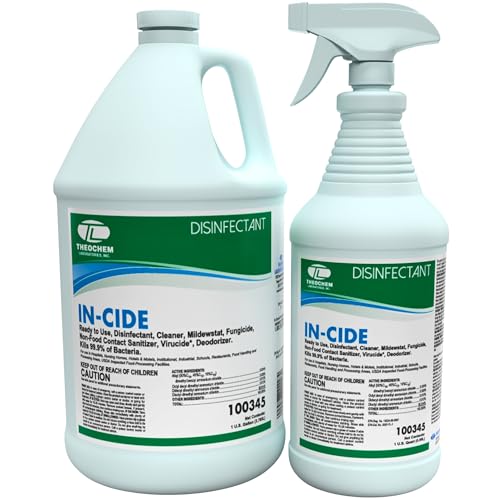
Theochem In-Cide Hospital Grade Disinfectant Spray – EPA Registered Cleaner Kills 99.9% MRSA, H1N1 – Home Office Clinic – Fresh Scent – 1 Gallon + 32oz Bundle
EPA-List N Registered Hospital-Grade Disinfectant: Kills 99.9% of viruses & bacteria, including MRSA and influenza – trusted by…
As an affiliate, we earn on qualifying purchases.
As an affiliate, we earn on qualifying purchases.

Qualirey 100W UV Light Sanitizer, Ozone Free, Safe for Children & Pets, 3 Timer & Remote UV Sanitizer for Bedrooms, Home Offices & Baby Rooms
100W Large Efficiency UV Light Sanitizer, Safe for Home Use: A wavelength of 253.7nm light efficiently disinfects bedrooms,…
As an affiliate, we earn on qualifying purchases.
As an affiliate, we earn on qualifying purchases.