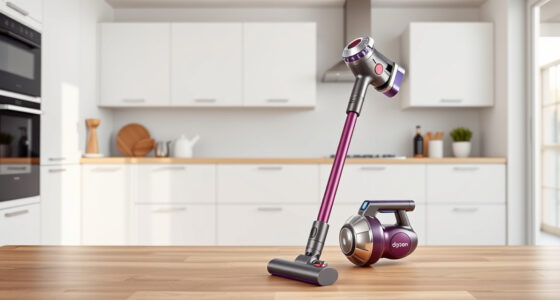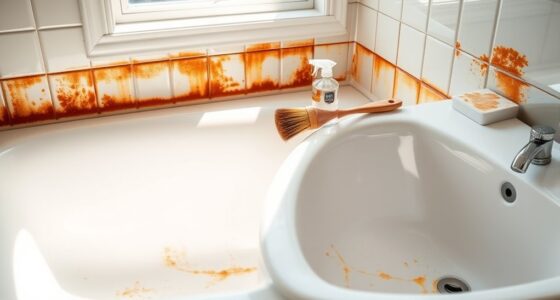

Using dirty tools can quickly undo your cleaning efforts because they spread dirt, germs, and bacteria instead of removing them. When tools are worn-out or contaminated, they reintroduce grime and bacteria onto surfaces, making it harder to keep your space truly clean. Properly maintaining and storing your tools stops this cycle and keeps them effective. If you want to learn how to make your cleaning routines more efficient, keep going—you’ll find helpful tips on proper tool care and organization.

Get cleaning gear delivered free with Prime
- Fast, free delivery on millions of items
- Prime Video, Amazon Music and more included
- Member-only deals all year
Key Takeaways
- Dirty tools spread germs and dirt, contaminating surfaces and making it harder to achieve a truly clean environment.
- Contaminated tools reduce cleaning effectiveness, requiring more effort to remove embedded bacteria and grime.
- Using unclean tools can reintroduce bacteria, leading to frequent re-contamination of cleaned areas.
- Dirty tools wear out faster, decreasing their efficiency and increasing the need for frequent replacements.
- Poorly maintained tools hinder proper sanitation, making it difficult to maintain long-lasting cleanliness.
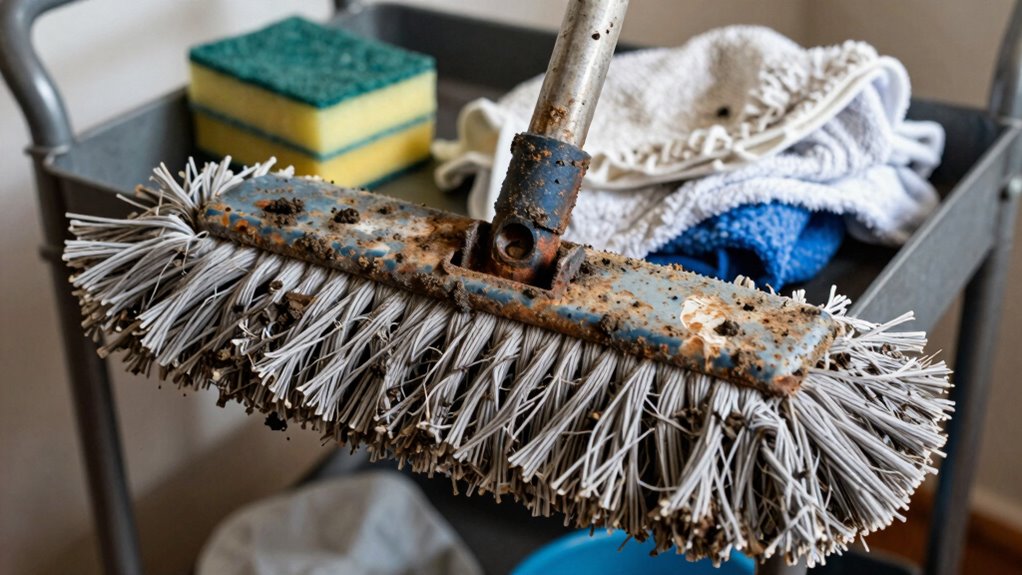
Keeping your cleaning tools in good condition is crucial for maintaining a spotless and hygienic environment. When your tools aren’t well cared for, they can quickly become sources of dirt, bacteria, and grime, making it harder to keep your space truly clean. One key factor that affects how well your tools perform is their durability. If you neglect proper maintenance, your tools may wear out faster, break more easily, or lose effectiveness. For example, worn-out scrub brushes or mops with frayed fibers won’t clean surfaces thoroughly, leaving behind dirt and bacteria that can multiply over time. That’s why investing in high-quality tools and taking steps to preserve their durability is essential. Not only do sturdy tools last longer, but they also do a better job, reducing the need for repeated cleaning and thus saving you time and effort.
Proper storage solutions play a crucial role in maintaining your tools’ condition. When you leave your cleaning equipment out in the open or toss them into cluttered closets, they’re more likely to get damaged or contaminated. Using designated storage solutions, like wall-mounted racks, caddies, or sealed containers, keeps your tools organized and protected. This prevents the growth of mold and bacteria, which thrive in damp, neglected spaces. Additionally, good storage encourages you to clean and dry your tools after use, which is important for preventing bacterial buildup and extending their lifespan. When your tools are stored correctly, you also reduce the risk of accidental damage, such as bending or breaking, which can happen if they’re thrown into a pile or left lying around. Maintaining cleaning tools properly can also help prevent the spread of germs and bacteria, further supporting a hygienic environment. Regular inspection and maintenance of your tools further ensure they remain effective and safe to use. Incorporating proper cleaning techniques can also help extend the life of your tools and keep them performing at their best. Additionally, understanding material durability can guide your choices, ensuring you select tools suited for heavy use and long-term effectiveness. Proper disinfection methods are also important, especially in environments where hygiene is critical, to eliminate residual germs and bacteria on your tools.
Dirty tools are a primary reason why cleaning spaces become harder to maintain over time. When tools are contaminated, they spread dirt and germs from one surface to another, defeating the purpose of cleaning in the first place. For instance, using a dirty mop can reintroduce bacteria into your floors, making subsequent cleaning less effective and potentially harming your health. Regularly cleaning your tools and keeping them dry and well-organized ensures they remain effective and safe to use. Remember, the more care you put into maintaining your tools—by focusing on their durability and choosing proper storage solutions—the easier it becomes to keep your space consistently clean and hygienic. Ultimately, clean tools lead to cleaner spaces, and taking care of them is the best way to guarantee your cleaning efforts pay off every time.
As an affiliate, we earn on qualifying purchases.
Frequently Asked Questions
How Often Should I Replace My Cleaning Tools?
You should replace your cleaning tools based on their tool lifespan and your replacement schedule. Typically, sponges and scrub brushes need replacing every 2-4 weeks to prevent bacteria buildup. Mops and brooms can last several months if properly cleaned and stored. Regularly inspect tools for wear or damage, and follow a consistent replacement schedule to guarantee effective cleaning and maintain a hygienic environment.
What Are the Best Disinfectants for Cleaning Tools?
The best disinfectants for cleaning tools depend on the tool material and disinfectant types. For plastic or rubber tools, use disinfectants like diluted bleach or alcohol-based solutions. For metal tools, disinfect with hydrogen peroxide or commercial disinfectants designed for metals. Always check manufacturer recommendations to avoid damage. Regularly disinfect your tools to prevent bacteria buildup, ensuring your cleaning efforts are effective and your space stays hygienic.
Can Dirty Tools Spread Bacteria?
Yes, dirty tools can definitely spread bacteria. When you use unclean tools, you increase cross-contamination risks, transferring germs from one surface or area to another. Regularly cleaning and disinfecting your tools helps prevent bacterial growth, reducing health hazards. Keeping tools clean not only guarantees a safer environment but also maintains hygiene standards. Always wash and sanitize your tools thoroughly to prevent bacteria from spreading and to promote a healthier space.
How Do I Remove Mold From Cleaning Equipment?
Imagine you’re cleaning your bathroom and notice mold on your scrub brush. To remove mold, soak the tool in a mixture of water and white vinegar for an hour, then scrub and rinse thoroughly. Regular cleaning and mold prevention are key, so increase your cleaning frequency and dry tools after each use. This prevents mold buildup, keeps your tools effective, and makes maintaining a clean space much easier.
Are There Eco-Friendly Cleaning Tool Options?
Yes, there are eco-friendly cleaning tools available. You can opt for biodegradable brushes that break down naturally, reducing environmental impact. Reusable cloths made from sustainable materials like bamboo or organic cotton are also great choices—they can be washed and reused multiple times. These options help you keep your space clean without harming the planet, making your cleaning routine more environmentally responsible and sustainable.
Conclusion
So, next time you skip cleaning your tools, remember—you’re actually setting yourself up for a mess. It’s ironic how dirty tools make it harder to keep your space clean, yet many ignore this simple truth. Instead of saving time, you’ll spend more fixing what’s broken or battling stubborn grime. Ultimately, dirty tools aren’t just a hassle—they’re the sneaky culprit behind those chaotic, hard-to-maintain spaces you’re trying to avoid. Clean tools, clean space, easy life.
Halloween Picks
halloween
As an affiliate, we earn on qualifying purchases.