TL;DR

Get cleaning gear delivered free — and shop member deals
- Fast, free delivery on millions of items
- Access to Prime Big Deal Days deals on October 6–7
- Prime Video, Amazon Music and more included
A cordless handheld vacuum is a small, battery-powered cleaner for spot jobs — car interiors, stairs, crumbs, pet hair — not a replacement for a full-size vacuum. When comparing models, judge suction by air watts (AW) rather than voltage, expect 15–40 minutes of real runtime from lithium-ion models, and prioritize washable filters and tool attachments. Well-chosen models in the $60–$150 range outperform many $250 units on the messes handhelds are actually made for.
There’s a pile of cereal under the high chair, dog hair woven into your car’s carpet, and mystery dust on the stairs. You’re not dragging out the full-size vacuum for any of that. This is exactly the job a cordless handheld vacuum was built for.
But the category is a minefield of confusing specs. Brands shout about 16 volts! and cyclonic power! while burying the numbers that actually predict whether you’ll love the thing or leave it dead in a drawer.
In this guide, you’ll learn which three specs genuinely matter, how the two big design types compare, and a simple buying checklist that works whether you’re spending $60 or $250.
Ignore voltage when comparing handhelds — judge suction by air watts (15 AW minimum for pet hair, 25+ AW for carpeted stairs).
Lithium-ion batteries with removable packs outlast NiCd by years; check for 3–4 hour charge times before buying.
Cyclonic (bagless) models win for pet hair and mixed messes; sealed bagged models only make sense for serious allergy sufferers.
A motorized mini brush attachment is the single most useful tool for upholstery and car interiors.
Monthly filter washing, proper battery storage, and weekly brush-roll hair removal can double a handheld vacuum’s usable life.
What a Cordless Handheld Vacuum Actually Is (and What It Isn’t)
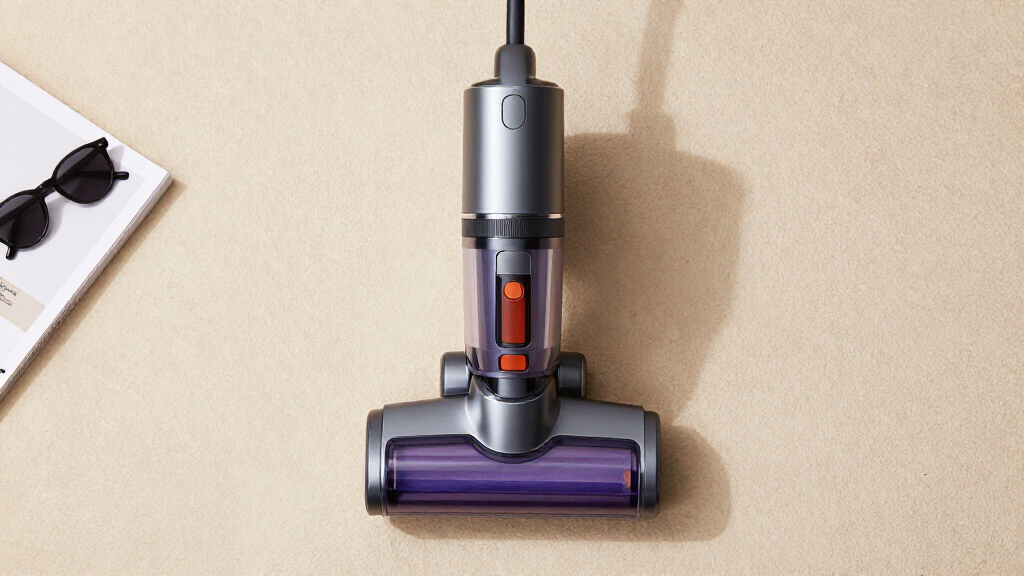
A cordless handheld vacuum is a compact, battery-powered cleaner designed for quick spot cleaning — think spilled coffee grounds, car interiors, and the crack between car seats — not whole-house flooring. Most weigh 2 to 4 pounds and clean with one hand while you hold the mess-maker’s collar with the other.
Picture the difference between a kitchen knife and a paring knife. Your upright vacuum is the chef’s knife — versatile, powerful, heavy. The handheld is the paring knife: small, always within reach, perfect for detail work. Nobody debones a chicken with a cleaver on the counter at 7 a.m., and nobody deploys a 17-pound upright for the glitter incident under the couch.
Why this distinction matters in practice: the handheld’s value isn’t power, it’s friction reduction. The reason messes linger isn’t that your full-size vacuum can’t clean them — it’s that the two minutes of setup, unwinding the cord, and hauling it out never feels worth it for a six-inch spill. A handheld lives in a closet or the trunk and deploys in three seconds, which means the mess actually gets cleaned instead of ground in. That’s why the true measure of a handheld isn’t how deeply it cleans, but whether its tradeoffs — small capacity, short runtime — never give you an excuse to skip using it.
Where the tradeoffs bite: capacity and runtime. Dust cups run 0.05 to 0.7 liters, so a full car detail means emptying two or three times — an annoyance, but the flip side is that a small cup keeps weight down and forces you to dump debris before it compacts and clogs the filter. And runtime of 15 to 40 minutes limits you to spot jobs on a single charge. That’s not a flaw; it’s the design brief. Squeezing a bigger battery into a one-handed tool would push weight past comfortable, and the physics of small motors means a full-floor cleaner in this form factor simply doesn’t exist yet.
If you find yourself using a handheld for whole rooms, you bought the wrong tool — or you need a stick vacuum instead.
The 3 Specs That Predict Whether You’ll Love It (and the One That Lies)
Three numbers separate great cordless handheld vacuums from junk: air watts, battery chemistry, and filtration. One very popular number — voltage — tells you almost nothing on its own.
Here’s the lie first. Voltage is like a car’s engine size: it hints at potential but says nothing about the transmission. A 20V model with poor airflow design can pull less real suction than a well-engineered 16V one. According to independent testing from outlets like Wirecutter and Which?, measured suction among same-voltage handhelds varies by a factor of up to three. The reason is that cleaning power depends on how much air the system actually moves — the seal quality, hose diameter, cyclone chamber, and how much the filter chokes airflow. What you want is air watts (AW) — a combined measure of suction and airflow, the same metric used for full-size vacuums. Look for roughly 15 AW minimum for crumbs and pet hair, 25+ AW for embedded carpet dirt. The implication for your wallet: brands that publish air watts are generally confident in their engineering; brands that shout only voltage often aren’t.
Battery chemistry matters just as much, because it determines how the vacuum ages. NiCd (nickel-cadmium) cells suffer memory effect — recharge before fully drained repeatedly and the battery “learns” a shorter capacity — and they self-discharge sitting in a drawer, so the vacuum is dead exactly when the spill happens. Lithium-ion holds charge for months and delivers full power until it dies rather than getting gradually weaker mid-job. The tradeoff is cost and lifespan: lithium degrades after roughly 3–5 years of charge cycles whether you use it or not, which is why a removable battery pack matters more than chemistry alone — a replaceable pack turns a two-year appliance into a five-year one and keeps the whole unit out of the landfill.
Finally, filtration — the spec nobody thinks about until they’re sneezing. Cheap models exhaust fine dust straight back into the air, meaning you vacuum the couch and inhale the smallest particles twenty minutes later; you’ve moved the mess from upholstery to lungs. A washable HEPA or fine-mesh filter costs more upfront but captures those particles and saves you $15 a year on replacements. The tradeoff: finer filters choke airflow slightly, which is why sealed, well-engineered systems cost more — they maintain air watts while filtering, instead of trading one for the other.
Cyclonic vs. Bagged Handhelds: Which Design Wins Your Messes
Cyclonic handhelds spin air to fling dust into the bin and keep suction steady as the cup fills; filtered (bag-style) handhelds push air through a bag or filter that gradually clogs. For nearly every buyer in 2025, cyclonic wins — but the tradeoff is real.
| Feature | Cyclonic (bagless) | Filtered / Bagged |
|---|---|---|
| Suction as bin fills | Stays strong | Drops noticeably |
| Emptying | Dump-and-rinse cup | Replace bag ($5–10 each) |
| Fine-dust containment | Good with HEPA exhaust filter | Excellent — dust stays in bag |
| Ongoing cost | Near zero | $20–40/year in bags |
| Best for | Pet hair, crumbs, mixed messes | Allergy sufferers, very fine dust |
Why the suction difference exists: as a bag or filter fills, air has to force its way through a growing wall of captured dust, so cleaning power drops precisely when the vacuum is most full — usually mid-job. Cyclonic separation keeps the airstream itself clear of the debris pile, which is why bagless models clean the same at minute 15 as at minute 1. The cost of that design is exposure: when you tap the cup out over the trash, a puff of fine dust escapes back into the room. That’s the genuine tradeoff — steady suction and zero consumables versus superior containment of the particles you can’t see.
The exception proves the rule: if someone in your house has serious allergies, a sealed bagged system traps fine particles better than a cyclone you tap out over the trash, and the bag cost is effectively a health expense. For everyone else — and especially for pet owners pulling Labrador fluff from a car boot weekly — cyclonic’s zero-consumables design is the smarter buy.
How to Choose Yours in 5 Steps (Without Falling for Marketing)
The fastest way to a handheld vacuum you’ll still be using in three years is to filter candidates through five checks, in this order. It takes about ten minutes and eliminates 80% of the shelf. The order matters because each step is a hard disqualifier — there’s no point comparing air watts on a model with a dead-end battery you can’t replace.
- Match air watts to your mess. Under 15 AW is crumb-and-dust-bunny territory. 15–25 AW handles pet hair and car mats. 25+ AW pulls embedded dirt from carpeted stairs. The point of this step is honesty about your actual messes — buyers who overbuy pay for suction they never deploy, and buyers who underbuy end up making three passes where one would do, draining the battery faster and wearing the motor sooner.
- Confirm lithium-ion and check the charge time. Ideal is 3–4 hours to full. Some budget NiCd units take 10+ hours for 12 minutes of runtime — a terrible ratio that means the vacuum is only usable once a day at most, and less every time you fail to fully drain it.
- Inspect the dust cup and emptying mechanism. A one-button release you can operate over a trash can beats a cup you have to dig into with your fingers. This sounds minor; it isn’t. Emptying is the single most frequent interaction you’ll have with the machine, and a gross one leads to postponing it — which leads to a full cup, choked airflow, weak suction, and eventually a drawer-bound vacuum. Aim for 0.35 liters or more if you have pets.
- Count the tools. A crevice tool (car seats, sofa cracks), a motorized brush (pet hair on upholstery), and an extension hose cover 95% of handheld jobs. A motorized mini brush is the single highest-value attachment because upholstery hair is woven into fabric — suction alone slides over it, while a spinning brush physically pulls strands free. Without one, you’ll be picking pet hair out of the couch by hand, which defeats the purchase.
- Check washable filters and parts availability. If the filter is discontinued in two years, your vacuum is e-waste. Stick with brands that publish replacement parts — this is the difference between a $90 purchase amortized over five years and one amortized over two.
Run a real scenario through this list. The Black+Decker dustbuster line around $60–80 passes steps 2, 3, and 5 for basic jobs; pet owners typically step up to something like a Dyson Humdinger or a mid-range Bissell Pet Hair Eraser for the motorized brush and higher air watts. The price gap buys suction and brush hardware, not prestige — decide it by whether your messes are woven into fabric or sitting on top of it.
Make It Last: 3 Habits That Double a Handheld’s Lifespan
Most cordless handheld vacuums don’t die from motor failure — they die from clogged filters, killed batteries, and neglected brushes. Three habits fix all three.
First, rinse the filter monthly and let it dry fully for 24 hours before reinstalling. A damp filter breeds mildew that smells like a gym bag every time you power on — that smell people blame on “cheap vacuums” is nine times out of ten a wet filter. The deeper reason this habit matters: a clogged filter doesn’t just weaken suction, it makes the motor work harder against a blocked airstream, which pulls more current, heats the battery, and shortens the life of everything upstream of the dust.
Second, store the vacuum on its charger if the manual allows it, but avoid leaving NiCd units plugged in permanently — lithium handles trickle fine, older chemistries cook. If your model lives in the car, bring it inside during winter; lithium-ion batteries permanently lose capacity when stored below freezing. The implication of cold damage is silent: the vacuum will still work, it’ll just hold 60% of the charge it used to, and you’ll blame the brand rather than the garage.
Third, cut hair off the brush roll weekly. Wrapped hair strangles the motor’s brush and quietly halves suction over months — and because it happens gradually, you adapt by running the vacuum longer per job, which drains the battery faster and compounds the wear. Thirty seconds with scissors breaks that spiral, keeps a $150 vacuum performing like new for years, and keeps it out of the landfill — no small thing when small appliance e-waste is among the fastest-growing waste streams globally, precisely because these maintenance steps feel too trivial to do.
Frequently Asked Questions
How long do cordless handheld vacuums run on a single charge?
Most lithium-ion handheld vacuums deliver 15 to 40 minutes of runtime, with compact “dustbuster” styles at the lower end and larger models at the higher end. Runtime drops by 30–50% when you use a motorized brush attachment because the brush motor draws extra power. For typical spot-cleaning jobs, 15 minutes is plenty — a full car detail takes about one charge on a mid-range model.
Can a handheld vacuum replace a regular vacuum?
No — and it isn’t meant to. Handhelds have small dust cups (0.05–0.7 liters), limited runtime, and no beater bar for deep carpet cleaning. They excel at spot jobs: car interiors, stairs, upholstery, and crumbs. If you want one device for both roles, a convertible stick vacuum with a detachable handheld is the better category.
Why does my handheld vacuum lose suction over time?
The usual culprits are a clogged or overdue-for-washing filter, a full dust cup, or hair wrapped around the brush roll. Wash the filter monthly (and dry it for 24 hours), empty the cup before it hits the max line, and cut hair off the brush weekly. If suction is still weak after all that, the battery may be aging — a sign it’s time to replace the pack or the unit.
Are expensive handheld vacuums like Dyson worth it?
It depends on your messes. Premium models deliver higher air watts, better-balanced ergonomics, and stronger battery systems — genuinely useful if you battle embedded pet hair daily. But for crumbs, car tidying, and occasional spills, a $60–90 model with lithium-ion power and a washable filter handles the same jobs. Judge by air watts and filtration, not brand or price.
Is higher voltage better in a handheld vacuum?
Not reliably. Voltage indicates electrical potential, not cleaning power — independent tests show same-voltage handhelds varying by up to 3x in actual suction depending on airflow design. Air watts (AW) combine suction and airflow into one comparable number, which is why it’s the spec to check instead. A well-designed 16V unit can out-clean a poorly designed 20V one.
Conclusion
Here’s the whole decision in one sentence: buy the handheld with the highest air watts your budget allows, a lithium-ion battery, and a washable filter — then ignore everything else on the box. The $70 model that meets those three bars will clean your car seats better than a $250 one that doesn’t.
The best handheld vacuum is the one that’s charged and within arm’s reach when the cereal hits the floor. Choose on the right specs, maintain it with three simple habits, and it’ll be grabbing messes for years — not gathering dust itself.
Fall Picks
fall essentials
As an affiliate, we earn on qualifying purchases.