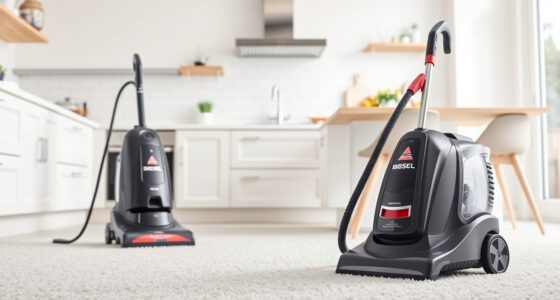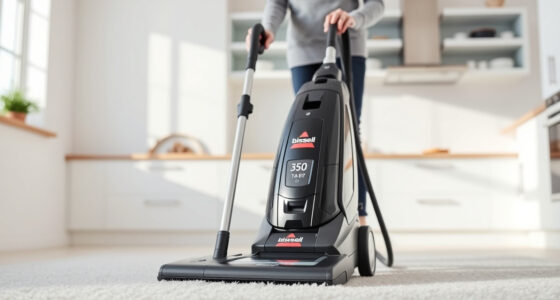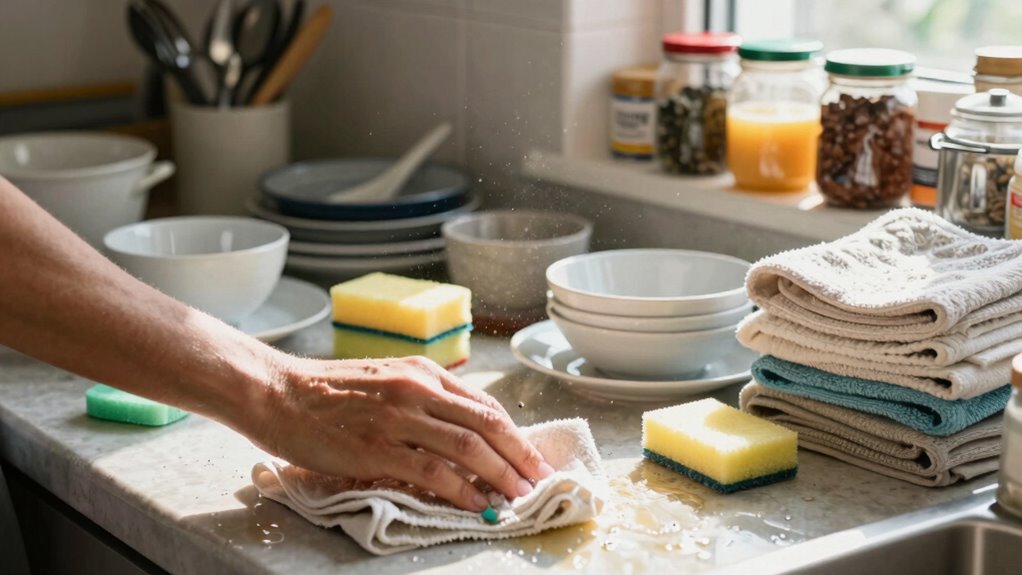

Cleaning feels endless because without a proper order, you often redo steps or spread dirt around, making the task seem never-ending. When you don’t follow a logical sequence—like starting with dusting high surfaces, then sweeping, and finishing with floors—you risk recontaminating cleaned areas. Fixing your cleaning order saves time, prevents rework, and makes the process feel more manageable. Stick around to discover the key steps that turn this overwhelming task into a straightforward routine.

Get cleaning gear delivered free — and shop member deals
- Fast, free delivery on millions of items
- Access to Prime Big Deal Days deals on October 6–7
- Prime Video, Amazon Music and more included
Key Takeaways
- Poor cleaning sequences cause dirt to recontaminate already cleaned areas, making the process feel endless.
- Starting with low or dirty tasks leads to wasted effort, requiring repeated cleaning.
- Without a logical order, debris spreads, forcing multiple passes over the same spots.
- Cleaning without a top-down or inward approach results in dirt settling on freshly cleaned surfaces.
- Disorganized routines increase cleaning time, making the task seem never-ending.
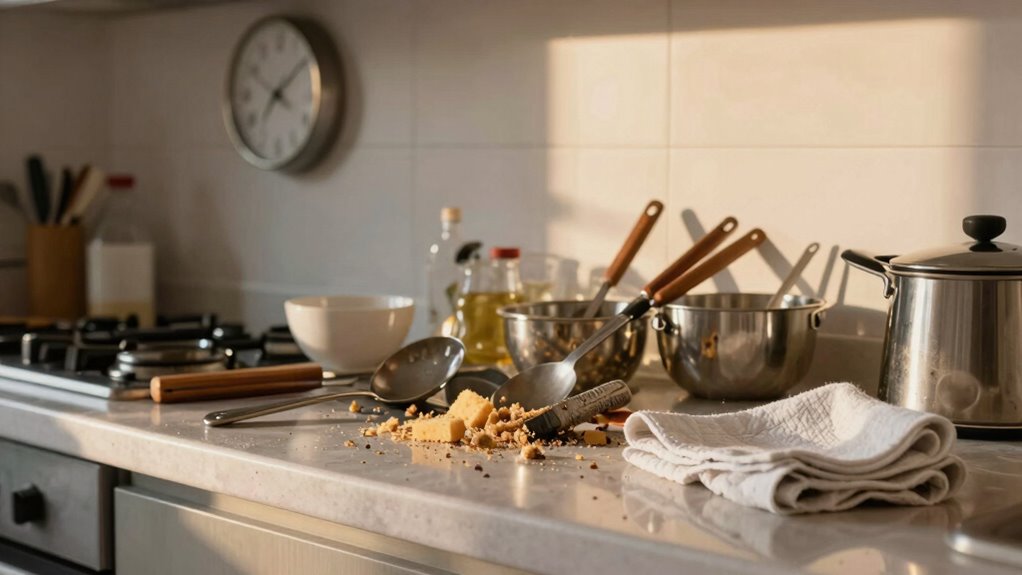
Have you ever wondered what the best sequence is for cleaning a space effectively? The truth is, many people feel overwhelmed because they don’t follow an organized order. When you don’t plan your cleaning steps, it can seem like you’re constantly chasing dirt, never making real progress. This is where understanding the cleaning order of operations becomes essential. By adopting efficient techniques, you can turn a formidable task into a manageable routine. It’s not just about scrubbing and sweeping; it’s about doing things in a logical sequence that saves time and effort while producing better results.
A common mistake is starting with tasks that don’t set you up for success later. For example, vacuuming or sweeping last makes more sense than doing it first, because dust and debris tend to settle on surfaces you haven’t cleaned yet. You might also be tempted to wipe down surfaces before dusting or sweeping, which only spreads dirt around and creates more work. The proper cleaning order helps you avoid these pitfalls, making sure you don’t have to repeat steps or clean the same area multiple times. When you clean from top to bottom and from the furthest point inward, you minimize recontamination and optimize your efforts. Recognizing cleaning efficiency principles can help you refine your approach and further improve your routine.
Efficient techniques involve breaking the process into stages. Start by removing clutter and dusting high surfaces like shelves or ceiling fans. Doing this first keeps dust from falling onto areas you plan to clean afterward. Then, move to vacuuming or sweeping floors, as debris will fall onto the ground or carpet, which you’ll clean next. Next, tackle the floors, mopping or vacuuming thoroughly. Only after you’ve cleared the surfaces and floors should you wipe down counters, tables, and other horizontal surfaces. This sequence prevents dirt from spreading and ensures you’re not wasting time cleaning the same spots twice. Additionally, understanding cleaning order of operations can greatly improve your efficiency and results. Implementing a proper cleaning sequence can help you avoid unnecessary repetition and achieve a cleaner space more quickly. Being aware of cleaning best practices can further enhance your routine by making each step more effective.
A well-structured cleaning routine based on these principles can make the entire process feel less daunting and more manageable.
As an affiliate, we earn on qualifying purchases.
Frequently Asked Questions
How Do I Determine the Best Cleaning Order for My Specific Space?
To find the best cleaning order for your space, start by evaluating your cleaning schedule and identifying high-traffic or cluttered areas. Establish an organization system that groups similar tasks—like dusting, vacuuming, or wiping surfaces—so you can tackle them efficiently. Prioritize tasks from top to bottom or back to front, ensuring each step flows smoothly. Adjust your plan as needed to maintain a consistent, manageable cleaning routine.
Should I Prioritize Deep Cleaning or Surface Tidying First?
Like peeling an onion, start with surface tidying to boost your cleaning motivation and create a sense of progress. This quick win clears the way for deep cleaning, making it more manageable. Organizational strategies help you stay focused and efficient. Prioritizing surface tidying first keeps you motivated, prevents overwhelm, and makes the deep cleaning feel less intimidating, giving your space a fresh, organized look faster.
How Long Should Each Cleaning Step Typically Take?
Each cleaning step usually takes around 10 to 15 minutes, but it depends on the task’s size. With a good cleaning mindset and effective time management, you can stay focused and avoid wasting time. Break tasks into manageable chunks, set a timer, and stick to it. This helps you stay on track, prevents burnout, and makes the process feel less endless, giving you a sense of accomplishment along the way.
What Tools or Products Are Essential for an Efficient Cleaning Sequence?
To make your cleaning sequence efficient, you need essential tools and products. Use Cleaning hacks like microfiber cloths for dusting and multi-surface cleaners for versatility. Product recommendations include a good vacuum, all-purpose cleaner, and disinfectant spray. These tools streamline your process, saving time and effort. Keep your supplies organized and accessible, so you can follow your order of operations smoothly, making cleaning less overwhelming and more effective.
How Can I Stay Motivated to Maintain the Cleaning Routine?
Motivational tips can transform your cleaning mindset, making chores more manageable. To stay motivated, set small, specific goals and celebrate each victory. Make cleaning fun by playing your favorite music or podcasts. Visualize the spotless space you’ll enjoy afterward. Remember, consistency creates habits. When you approach cleaning with a positive attitude and clear purpose, maintaining your routine becomes less of a task and more of a fulfilling, satisfying activity.
Conclusion
Think of cleaning as peeling an onion—you’ll find it feels endless until you understand the order of operations. When you tackle messes methodically, like following a recipe, the chaos starts to clear faster. Stop jumping from task to task and create a plan. Once you get the sequence right, you’ll see cleaning become less overwhelming, almost like the fog lifting. With a little strategy, you’ll find the end of the tunnel much sooner.
Fall Picks
fall essentials
As an affiliate, we earn on qualifying purchases.