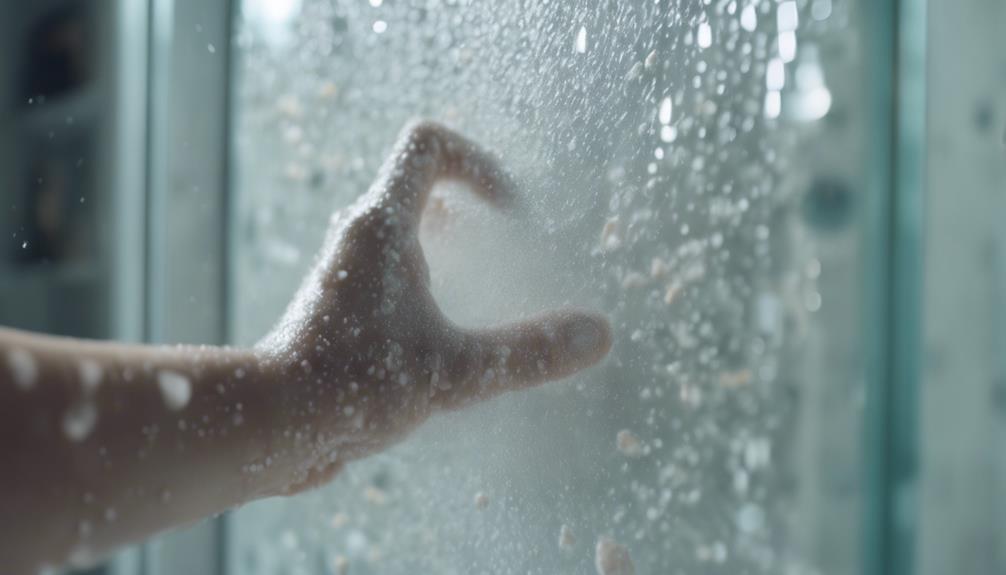

For an all-purpose starting point, Elemental Earth Mineral Magic Cleaning Agent stands out for buyers seeking a larger-format cleaner, while Bio-Clean Hard Water Stain Remover and Essential Values Citric Acid Descaler Powder offer more targeted routes for visible stains and appliance scale. The right cleaning agent for mineral buildup depends on where the deposits are: toilet bowls, shower glass, and kettles call for different application methods. Ready-to-use gels and sprays are convenient, while powders and tablets can suit repeat descaling but require mixing or dissolving. Abrasive pumice has a narrow role on compatible toilet surfaces and is not a substitute for a chemical descaler. Read on for the full breakdown, including which options fit each job and where their limits matter.

Get cleaning gear delivered free with Prime
- Fast, free delivery on millions of items
- Prime Video, Amazon Music and more included
- Member-only deals all year
Complete the kit


Key Takeaways
- Surface fit matters more than a broad cleaner label: the lineup spans toilet formulas, shower-glass gel, bathroom spray, and descalers intended for appliances.
- Elemental Earth Mineral Magic is the broad-use contender: its 32 oz format gives it a different role from compact, task-specific products, though buyers should confirm surface compatibility.
- Citric acid products target appliance scale rather than every bathroom stain: JOYAONE tablets and Essential Values powder are better matched to kettle or other compatible descaling jobs than to broad surface cleaning.
- Ready-to-use products favor convenience: gels and sprays avoid measuring, while powders and tablets ask for preparation in exchange for a format suited to repeat descaling.
- Pumice is the specialist, not the default: the 8-pack is intended for toilet bowl deposits on compatible surfaces; it brings abrasion and should not be used on delicate finishes.
| OverZyn Limescale Remover, 8.3 oz |  | Best for Showerhead Nozzles | Volume: 8.3 oz | Included accessory: Small-hole cleaning brush | Suitable surfaces: Stainless steel, plastic, copper | VIEW ON AMAZON | See Our Full Breakdown |
| Instant Power Toilet Tank Cleaner and Hard Water Stain Remover, 1 lb |  | Best Hands-Off Toilet Tank Treatment | Weight: 1 lb | Active formula: Citric acid | Use: Toilet tank cleaner and hard-water stain remover | VIEW ON AMAZON | See Our Full Breakdown |
| Elemental Earth Mineral Magic Cleaning Agent, 32 oz |  | Best for General Household Messes | Volume: 32 oz | Formula: Mineral-based | Use: All-purpose household cleaning | VIEW ON AMAZON | See Our Full Breakdown |
| Lysol Lime & Rust Clinging Gel Toilet Bowl Cleaner, 24 oz, 2 Pack |  | Best for Toilet Bowl Mineral Stains | Brand: Lysol | Size: 24 oz per bottle | Pack size: 2 | VIEW ON AMAZON | See Our Full Breakdown |
| Hard Water Stain Remover Gel for Shower Glass and Doors, 16.9 oz |  | Best for Vertical Shower Surfaces | Volume: 16.9 oz | Form: Clinging gel | Suitable surfaces: Shower glass, glass doors, ceramic tile, porcelain, chrome fixtures | VIEW ON AMAZON | See Our Full Breakdown |
| Lysol Power Limescale Removing Bathroom Cleaner Spray, 32 oz |  | Best for Whole-Bathroom Cleaning | Brand: Lysol | Product type: Bathroom cleaner spray | Volume: 32 oz | VIEW ON AMAZON | See Our Full Breakdown |
| JOYAONE Citric Acid Kettle Descaling Tablets |  | Best for Simple Appliance Descaling | Active ingredient: Citric acid | Recommended water temperature: About 70°C; not boiling | Soaking time: 15–30 minutes | VIEW ON AMAZON | See Our Full Breakdown |
| Bio-Clean Hard Water Stain Remover, 20.3 oz |  | Best for Broad Surface Coverage | Form: Aerosol | Size: 20.3 oz | Intended surfaces: Windows, glass, tile, grout, tubs, shower pans, brick, and concrete | VIEW ON AMAZON | See Our Full Breakdown |
| Essential Values Citric Acid Descaler Powder, 2 lb |  | Best for Repeat Appliance Maintenance | Weight: 2 lb | Formula: 100% citric acid | Estimated uses: About 20 per container | VIEW ON AMAZON | See Our Full Breakdown |
| 8-Pack Pumice Stone Toilet Bowl Cleaner |  | Best for Stubborn Rings and Targeted Scrubbing | Pack quantity: 8 cleaning sticks | Material: Porous pumice | Shape: Rectangular | VIEW ON AMAZON | See Our Full Breakdown |
More Details on Our Top Picks
OverZyn Limescale Remover, 8.3 oz
OverZyn is the most targeted pick here for mineral buildup inside small openings. Its application-and-soak approach addresses calcium carbonate and magnesium salts, while the included small-hole brush helps clear showerhead nozzles where a general surface cleaner may not reach. Compared with the Hard Water Stain Remover Gel for Shower Glass and Doors, this is better suited to fixtures and water passages than broad glass coverage. It also lists stainless steel, plastic, and copper as suitable surfaces, giving it several household uses. The tradeoff is hands-on cleanup: you need to apply or soak the part, then scrub, and the 8.3-ounce bottle is a focused supply rather than a large all-purpose refill. I’d choose it for clogged fixtures, not routine bathroom-wide cleaning.
Pros:- Targets calcium carbonate and magnesium salt deposits
- Includes a small-hole brush for nozzle openings
- Suitable for stainless steel, plastic, and copper
- Intended for showerheads and other household water fixtures
Cons:- Requires soaking or application followed by scrubbing
- The 8.3-ounce volume is less suited to repeated large-area cleaning
Best for: Homeowners dealing with mineral-clogged showerhead nozzles or deposits on small fixtures who want a brush included.
Not ideal for: People seeking a no-scrub toilet treatment or a cleaner for large shower-glass areas; application, soaking, and brushing take more effort.
- Volume:8.3 oz
- Included accessory:Small-hole cleaning brush
- Suitable surfaces:Stainless steel, plastic, copper
- Intended uses:Showerheads, water dispensers, kettles, faucets
- Target deposits:Calcium carbonate and magnesium salts
- Application:Apply or soak, then scrub
Our verdict“Choose OverZyn when mineral buildup is restricting showerhead flow and you want a brush-assisted fixture cleaner.”
Instant Power Toilet Tank Cleaner and Hard Water Stain Remover, 1 lb
Instant Power suits buyers treating deposits inside the toilet tank, rather than scrubbing visible buildup on a bowl or shower surface. Its citric acid formula targets hard-water deposits, calcium, rust, and stains; the directions call for adding the bottle to the tank and leaving it overnight, with no scrubbing step described. That makes it a more hands-off choice than Lysol Lime & Rust Clinging Gel Toilet Bowl Cleaner, which is applied directly to the bowl for cling and targeted coverage. The distinction matters: this product is made for tank treatment, while Lysol’s gel focuses on the bowl. Instant Power also lists odor control and a citrus scent, but the wait is unavoidable, and its tank-specific use makes it a poor match for shower glass, faucets, or showerhead nozzles.
Pros:- Citric acid formula targets hard-water deposits, calcium, and rust
- Designed for tank cleaning without scrubbing
- Helps address odors and leaves a citrus scent
- Described as safe for toilet components and pipes
Cons:- Requires leaving the cleaner in the tank overnight
- Tank-specific use limits its usefulness on other mineral-stained surfaces
Best for: Households with hard-water deposits inside a toilet tank that prefer an overnight treatment over manual scrubbing.
Not ideal for: Buyers cleaning visible mineral stains on a toilet bowl, shower glass, or fixtures; this product is specified for the toilet tank.
- Weight:1 lb
- Active formula:Citric acid
- Use:Toilet tank cleaner and hard-water stain remover
- Application:Add the bottle to the tank and leave overnight
- Scent:Citrus
- Target deposits:Hard-water deposits, calcium, rust, and stains
Our verdict“Pick Instant Power for an overnight, low-scrub treatment of mineral buildup inside a toilet tank.”
Elemental Earth Mineral Magic Cleaning Agent, 32 oz
Elemental Earth is the broad-use option, not the specialist mineral remover in this group. It is described as a mineral-based cleaner for dirt, grime, and everyday messes on multiple household surfaces, with a 32-ounce bottle for recurring chores. That wider brief sets it apart from OverZyn, which names calcium carbonate and magnesium salts and includes a brush for showerhead openings, and from the Hard Water Stain Remover Gel, which specifically targets bathroom mineral marks. The key limitation for this roundup is that Elemental Earth’s description does not identify particular mineral deposits, compatible surfaces, or detailed ingredients. I’d treat it as a general household cleaner rather than rely on it for stubborn limescale or hard-water stains. Its larger volume makes sense for varied cleaning tasks, but buyers seeking clearly specified descaling action have more focused options here.
Pros:- 32-ounce bottle supports multiple cleaning tasks
- Described for dirt, grime, and everyday household messes
- Mineral-based formula
- Intended for use across multiple household surfaces
Cons:- Specific compatible surfaces are not listed
- No detailed ingredient information or named mineral-deposit targets are provided
Best for: Households wanting a larger bottle for everyday dirt and grime across multiple surfaces, with mineral-based formula as a preference.
Not ideal for: Buyers who need a clearly specified treatment for limescale, calcium deposits, or hard-water stains on a particular surface.
- Volume:32 oz
- Formula:Mineral-based
- Use:All-purpose household cleaning
- Cleaning targets:Dirt, grime, and everyday messes
- Surface range:Multiple household surfaces; specific surfaces not listed
- Bottle purpose:Supply for multiple cleaning tasks
Our verdict“Choose Elemental Earth for general household cleaning, but pick a more specifically described descaler for stubborn mineral buildup.”
Lysol Lime & Rust Clinging Gel Toilet Bowl Cleaner, 24 oz, 2 Pack
Lysol’s clinging gel is the bowl-focused choice for lime, rust, mineral deposits, toilet rings, and hard-water stains. Its angled-neck bottle helps direct the thick gel under the rim, where a pourable tank treatment such as Instant Power is not designed to provide the same visible bowl coverage. The two 24-ounce bottles also give households a ready supply for repeated toilet cleaning, while the formula is described as septic safe when used as directed and as fighting odors. Its germ-reduction claim also depends on following directions. The tradeoff is its narrow role: this is not a shower-glass or fixture descaler, and clinging coverage does not mean every stain disappears without effort. Compared with the overnight tank treatment, Lysol makes more sense for marks on the bowl itself; choose Instant Power for deposits inside the tank.
Pros:- Clinging gel provides targeted coverage under the rim
- Targets lime, rust, mineral deposits, toilet rings, and hard-water stains
- Angled-neck bottle helps direct application
- Two 24-ounce bottles and odor-fighting formula
Cons:- Designed for toilet bowls rather than tanks or other household surfaces
- Septic-safe and germ-reduction claims depend on use as directed
Best for: Households targeting hard-water rings, lime, or rust on toilet bowls who want an under-rim gel applicator.
Not ideal for: Buyers cleaning toilet tanks, shower glass, or mineral-clogged fixtures; this gel is designed for toilet bowls.
- Brand:Lysol
- Size:24 oz per bottle
- Pack size:2
- Form:Clinging gel
- Scent:Lime & Rust
- Application:Angled-neck bottle
- Septic safe:Yes, when used as directed
- Germ reduction:Kills 99.9% of viruses and bacteria when used as directed
Our verdict“Choose Lysol for targeted mineral and rust stains on the toilet bowl, rather than for tank or bathroom-fixture descaling.”
Hard Water Stain Remover Gel for Shower Glass and Doors, 16.9 oz
This clinging gel is the most directly matched pick for shower-glass mineral marks. Its formula is described as loosening hard-water stains, soap scum, calcium, lime, and mineral deposits, and the gel is intended to stay on vertical surfaces while you work. Compared with OverZyn, which is better aimed at showerhead openings and other fixtures, this option covers glass doors, tile, porcelain, and chrome. Application is more involved than an overnight toilet-tank treatment: use a soft sponge, microfiber cloth, or non-scratch pad, then rinse thoroughly and wipe dry. Repeated applications may help with heavier buildup, but etched or damaged glass can remain visibly marked even after cleaning. I’d choose it for surface deposits on shower enclosures, not for internal nozzle blockages or a no-rinse routine.
Pros:- Clinging gel is suited to vertical shower surfaces
- Targets hard-water stains, calcium, lime, soap scum, and mineral deposits
- Suitable for shower glass, ceramic tile, porcelain, and chrome fixtures
- Can be reapplied for heavier buildup
Cons:- Etched or damaged glass may remain visibly marked
- Requires thorough rinsing and wiping dry after application
- Application calls for a sponge, cloth, or non-scratch pad
Best for: Homeowners removing hard-water spots and soap scum from shower glass or doors who are willing to apply, rinse, and dry the surface.
Not ideal for: People treating etched or damaged glass, cleaning inside showerhead nozzles, or seeking a no-rinse cleaner.
- Volume:16.9 oz
- Form:Clinging gel
- Suitable surfaces:Shower glass, glass doors, ceramic tile, porcelain, chrome fixtures
- Target deposits:Hard-water stains, soap scum, calcium, lime, mineral deposits
- Application tools:Soft sponge, microfiber cloth, or non-scratch pad
- After-use steps:Rinse thoroughly and wipe dry
- Repeat use:Can be repeated for heavier buildup
Our verdict“Choose this gel for hard-water deposits on shower glass and nearby bathroom surfaces, provided the glass is not etched or damaged.”
Lysol Power Limescale Removing Bathroom Cleaner Spray, 32 oz
A bathroom spray that pairs mineral-stain removal with sanitizing makes this Lysol a flexible choice for regular cleanup. It targets limescale, calcium, hard-water stains, and soap scum across several common bathroom surfaces, including glazed tile, porcelain, fiberglass, chrome, and shower doors. When used as directed, it sanitizes hard, non-porous surfaces in 30 seconds, adding a benefit the appliance-focused JOYAONE Citric Acid Kettle Descaling Tablets do not offer.
The tradeoff is that this is a surface cleaner, not a universal descaler: its sanitizing claim has specific use conditions, and the listed compatibility does not cover every material. I would choose it for varied bathroom surfaces, but pick Bio-Clean Hard Water Stain Remover if the main task is tackling mineral stains across a broader set of materials such as grout or concrete.
Pros:- Targets limescale, calcium, hard-water stains, and soap scum
- Works on several common bathroom surfaces
- Sanitizes eligible hard, non-porous surfaces in 30 seconds when used as directed
- Bleach-free formula
Cons:- Sanitizing claim applies only to hard, non-porous surfaces and requires use as directed
- Surface compatibility is not specified for every material
- Bathroom-focused spray is not presented as an appliance descaler
Best for: Households cleaning limescale and soap scum from several listed bathroom surfaces that also want a sanitizer for eligible hard, non-porous areas.
Not ideal for: People descaling kettles or other appliances, or anyone who needs a cleaner explicitly compatible with materials beyond the listed bathroom surfaces.
- Brand:Lysol
- Product type:Bathroom cleaner spray
- Volume:32 oz
- Formula:Bleach-free
- Scent:Atlantic Fresh
- Sanitizing time:30 seconds on hard, non-porous surfaces when used as directed
- Surface compatibility:Glazed tile, porcelain, fiberglass, chrome fixtures, shower doors, and sinks
Our verdict“Choose this Lysol for routine mineral and soap-scum cleanup across listed bathroom surfaces, not for appliance descaling or unlisted materials.”
JOYAONE Citric Acid Kettle Descaling Tablets
Pre-portioned citric acid tablets make this a straightforward pick for kettle limescale and mineral deposits. The method is a soak rather than a surface spray: dissolve a tablet in water at about 70°C, leave it for 15–30 minutes, then gently scrub if needed and rinse thoroughly. That gives appliance owners a clear routine, while the Essential Values Citric Acid Descaler Powder offers loose powder for buyers who prefer a larger supply to portion themselves.
JOYAONE’s stated uses extend beyond kettles to water dispensers, containers, coffee makers, steam irons, steam wands, and shower heads. The compromise is that soaking may not finish the job without scrubbing, and the instructions advise using less water if foam overflow is a concern. I’d favor this format for repeat appliance maintenance, rather than for bathroom surfaces where Lysol Power Limescale Removing Bathroom Cleaner Spray is the more relevant type of product.
Pros:- Citric acid is intended to dissolve limescale and mineral deposits
- Tablet format avoids measuring loose powder
- Suggested for several appliance types and containers
- Clear soak time and monthly maintenance guidance
Cons:- May need gentle scrubbing after soaking
- Water amount may need adjustment to limit foam overflow
- Requires rinsing after treatment
Best for: Kettle and small-appliance owners who want pre-portioned citric acid and can follow a soak, scrub, and rinse routine.
Not ideal for: People seeking a ready-to-spray bathroom cleaner or a descaler that requires no follow-up scrubbing or careful water level management.
- Active ingredient:Citric acid
- Recommended water temperature:About 70°C; not boiling
- Soaking time:15–30 minutes
- Suggested maintenance frequency:Monthly
- Compatible uses:Kettles, water dispensers and containers, coffee makers, steam irons, steam wands, and shower heads
- Cleaning method:Dissolve, soak, gently scrub if needed, and rinse thoroughly
Our verdict“Pick JOYAONE for a simple tablet-based descaling routine across kettles and compatible appliances, provided you are comfortable soaking and rinsing.”
Bio-Clean Hard Water Stain Remover, 20.3 oz
Broad listed surface coverage is the main reason to choose Bio-Clean: its intended uses include glass, tile, grout, tubs, shower pans, windows, brick, and concrete. It targets mineral deposits, limescale, rust, calcium, and soap scum, making it a better fit for varied hard-water staining than the bathroom-specific Lysol Power Limescale Removing Bathroom Cleaner Spray, whose listed surfaces are narrower.
The formula is described as biodegradable and eco-friendly, and minor scrubbing may be enough for some deposits. Heavy buildup can still call for more effort, though, and the supplied details do not spell out directions or compatibility for every material on its list. That makes it less straightforward than JOYAONE Citric Acid Kettle Descaling Tablets for appliance care. I’d shortlist Bio-Clean when surface variety matters, but check suitability for the exact material before use.
Pros:- Targets mineral deposits, limescale, rust, calcium, and soap scum
- Listed for a wide range of hard surfaces
- Minor scrubbing may help remove some buildup
- Described as biodegradable and eco-friendly
Cons:- Heavy buildup may require scrubbing
- Directions and compatibility details are not provided for every listed material
- Aerosol format may not suit buyers seeking a tablet or measured powder
Best for: People dealing with hard-water stains across several listed surfaces, especially glass, tile, grout, tubs, or shower pans.
Not ideal for: Buyers who need appliance descaling, detailed use directions for each material, or a low-effort solution for heavy deposits.
- Form:Aerosol
- Size:20.3 oz
- Intended surfaces:Windows, glass, tile, grout, tubs, shower pans, brick, and concrete
- Stains addressed:Hard-water deposits, limescale, rust, calcium, and soap scum
- Scrubbing:Designed to loosen stains with minor scrubbing
- Environmental description:Described as biodegradable and eco-friendly
Our verdict“Choose Bio-Clean when one product needs to address mineral stains across several listed surfaces, and verify material suitability before applying it.”
Essential Values Citric Acid Descaler Powder, 2 lb
A 2 lb container of 100% citric acid suits buyers who regularly descale several appliances and want powder rather than tablets. It is intended for water distillers, coffee machines, and kettles, with about 20 uses per container. Compared with JOYAONE Citric Acid Kettle Descaling Tablets, this format gives the buyer powder to measure instead of pre-portioned tablets; that can suit varied routines, but it also means the supplied details do not offer JOYAONE’s specific soak temperature and timing instructions.
This is an appliance-focused option, not a bathroom surface cleaner like Lysol Power Limescale Removing Bathroom Cleaner Spray. Its narrow use list helps clarify where it belongs, but buyers should follow the instructions supplied with their appliance and the product. I’d choose it for recurring kettle, coffee-machine, or distiller maintenance; anyone wanting a clearly described procedure or broader stated appliance compatibility may prefer the JOYAONE tablets.
Pros:- 100% citric acid formula
- Intended for water distillers, coffee machines, and kettles
- About 20 uses per 2 lb container
- Manufactured in the USA
Cons:- Powder requires measuring rather than offering pre-portioned tablet doses
- Product details do not provide a specific soak time or water temperature
- Listed appliance compatibility is narrower than JOYAONE’s
Best for: Owners of water distillers, coffee machines, and kettles who descale regularly and prefer a larger container of citric acid powder.
Not ideal for: People who want pre-measured doses, detailed use instructions in the provided product information, or a cleaner for bathroom surfaces.
- Weight:2 lb
- Formula:100% citric acid
- Estimated uses:About 20 per container
- Compatible appliances:Water distillers, coffee machines, and kettles
- Manufactured in:USA
- Product type:Citric acid descaler powder
Our verdict“Choose Essential Values for repeat descaling of the listed appliances if you prefer bulk powder and are comfortable measuring each use.”
8-Pack Pumice Stone Toilet Bowl Cleaner
Direct abrasion rather than a dissolving formula is what sets these pumice sticks apart. Wet the stone and surface, scrub gently, and rinse; the sticks are intended for hard-water rings, mineral buildup, and common residue on compatible hard surfaces. That makes them a targeted option when a surface needs physical scouring, while Bio-Clean Hard Water Stain Remover is the better match for buyers who want a product described as loosening stains with minor scrubbing across a broader range of materials.
The pack includes eight rectangular sticks, and the porous material can be shaped gradually to reach corners and narrow areas. But pumice is not a universal surface choice: the instructions call for a hidden-area test, and use is limited to compatible hard surfaces. Unlike Lysol Power Limescale Removing Bathroom Cleaner Spray, it also does not provide a spray-and-sanitize routine. I’d reserve it for localized deposits where gentle physical cleaning is suitable.
Pros:- Eight sticks provide replacements for routine cleaning
- Designed to address hard-water rings and mineral buildup
- Can be shaped gradually for corners and narrow areas
- Suitable for several compatible hard surfaces
Cons:- Requires manual scrubbing rather than soaking or spraying
- Must be tested on a hidden area before use
- Only suitable for compatible hard surfaces
Best for: People who need a reusable-style scrubbing tool for localized hard-water rings on compatible toilets, sinks, tubs, or tile.
Not ideal for: Anyone cleaning delicate, unverified surfaces or seeking a chemical cleaner that can cover broad areas without manual scrubbing.
- Pack quantity:8 cleaning sticks
- Material:Porous pumice
- Shape:Rectangular
- Suitable surfaces:Compatible hard surfaces, including toilets, sinks, bathtubs, tile, grills, and pool tile
- Use:Wet the stone and surface, scrub gently, and rinse
- Surface precaution:Test on a hidden area first
Our verdict“Pick the pumice sticks for targeted scrubbing of stubborn deposits on compatible surfaces, and skip them if material safety is uncertain.”

How We Picked
I compared the ten options by how clearly each matches a mineral-buildup task: toilet rings, bathroom surfaces, shower glass, or scale inside appliances. I gave more weight to a defined use and a practical application method than to broad claims, since the wrong cleaner or tool can waste effort or harm a surface. Format, quantity, preparation, and the need for physical scrubbing also shaped each product’s role.
The order reflects usefulness across common household needs, specificity, and ease of choosing the right application—not a claim that one formula works on every deposit or material. General-purpose options sit ahead of narrower picks when they offer broader potential utility; task-specific gels, sprays, powders, and tablets follow for buyers with a matching job. Pumice ranks as a specialist because it relies on abrasion and demands more care than a chemical cleaner. Check product directions and surface compatibility before use, especially on delicate finishes.
Factors to Consider When Choosing Cleaning Agent For Mineral Buildup
Before choosing a cleaner, match the product to both the deposit and the surface. Mineral scale inside an appliance is not the same cleaning problem as a hard-water film on glass or a ring in a toilet, and a convenient format can still be the wrong tool for the job.
Match the formula to the deposit location
Start by identifying where the buildup sits, rather than buying the broadest-sounding cleaner. Toilet bowl products are designed around a confined, often vertical surface, while shower-glass products address deposits on a visible, delicate plane. Kettle descalers are made for appliance interiors and may require a measured soak or rinse. A bathroom spray can be handy for routine surface cleaning but may not fit an internal descaling task. Choosing by location narrows the field and reduces the temptation to use one product everywhere.
Check surface compatibility before chasing stronger cleaning
Mineral deposits can appear on glass, ceramic, metal, stone, and coated finishes, but those materials do not all tolerate the same chemistry or abrasion. Read the label for exclusions and test an inconspicuous spot when the directions permit. Avoid assuming that a toilet cleaner is safe for shower fittings or that a glass cleaner is suitable for natural stone. Pumice deserves extra caution because its cleaning action is physical, not just chemical. If the surface material is unknown, identify it before choosing a formula.
Choose between ready-to-use and concentrated formats
Gels and sprays are straightforward when you want to apply cleaner directly to a bathroom surface. Powders and tablets can suit recurring appliance maintenance, but they add steps: measuring or dissolving, following the required contact time, and rinsing as directed. Concentrated formats may be practical for repeated jobs, yet a larger container is not useful if the product does not match your main task. Think about how often you descale and whether you are comfortable preparing a solution. Convenience is a real benefit when it makes correct use more likely.
Decide whether the job calls for chemical action or abrasion
A chemical cleaner is generally the more suitable starting point for deposits on surfaces where scratching is a concern, provided its label allows that material. Pumice can address stubborn toilet bowl marks through scrubbing, but that same abrasive action makes it a poor choice for delicate or coated surfaces. Do not treat a scouring tool as a universal replacement for descaler. Use light pressure and follow the tool’s instructions, and stop if the surface shows wear. When buildup is widespread or returns quickly, routine descaling may make more sense than repeated forceful scrubbing.
Plan around contact time, ventilation, and rinsing
Cleaning results depend partly on how the product is applied, not only on its ingredients. Follow the label for contact time, ventilation, protective measures, and rinsing; leaving a product on longer than directed is not a safe shortcut. Never mix cleaning products, since combinations can create hazardous reactions. For appliances, follow the manufacturer’s descaling and rinse instructions so cleaner residue does not remain where water or beverages pass. A product that fits your routine and directions is a better choice than one that requires guesswork.
Pay for fit and repeat use, not just container size
A larger bottle or tub can be useful for frequent cleaning, but volume alone does not show how many jobs it suits or whether it is appropriate for your surfaces. A smaller, purpose-built product may be the better match for a specific shower or toilet problem. For regular kettle maintenance, a powder or tablet format may be easier to store and portion than a bathroom cleaner. If buildup is occasional, prioritize simple handling and clear directions over buying a format intended for repeated use. Choose based on the surfaces and tasks you actually have.
Frequently Asked Questions
Can I use one mineral-buildup cleaner on my toilet, shower glass, and kettle?
Do not assume one product suits all three. Toilet cleaners, glass treatments, and kettle descalers are designed for different application areas, and their labels may restrict which materials they contact. Check each product’s permitted surfaces and directions before use. A cleaner intended for an appliance interior should not automatically be used on bathroom surfaces, and the reverse is also true. Separate products can be the safer choice when the tasks and materials differ.
Should I choose a citric acid powder or a descaling tablet for kettle buildup?
Both formats are aimed at descaling, so the choice comes down to preparation and how you prefer to portion a treatment. Tablets offer a pre-formed dose, while powder may give you more control over the amount but requires measuring. Follow the directions for the specific kettle and product, including how much water to use and how many rinse cycles are needed. Do not rely on a generic recipe if the label gives different instructions. If your appliance maker restricts certain descalers, follow its guidance.
Is pumice a good choice for hard-water marks on shower glass?
No: the pumice product in this lineup is a toilet bowl tool, not a shower-glass cleaner. Abrasion can scratch glass coatings, nearby fittings, or other finishes, so use a cleaner specifically labeled for the surface instead. For stubborn deposits, follow the cleaner’s contact-time directions rather than pressing harder with an unsuitable tool. If you are uncertain whether a surface is coated, check its care instructions before cleaning. Keep pumice limited to compatible toilet surfaces as directed.
Why might a toilet gel work better than a bathroom spray for a bowl?
A gel can cling to a vertical bowl surface, giving it a more targeted application than a general spray. That makes it a practical format for treating toilet-specific buildup, while a spray may be easier for broader bathroom surfaces. Neither format guarantees removal of every stain, and both must be used according to their labels. Check whether the product is intended for the bowl area and whether it has any material or use restrictions. Do not mix it with another toilet or bathroom cleaner.
What should I do if mineral buildup returns soon after cleaning?
First confirm that the cleaner was intended for that surface and that you followed its application and rinsing directions. Recurring deposits can reflect ongoing hard-water exposure, so repeated cleaning may be needed even when a product removes the existing scale. For appliances, follow the manufacturer’s maintenance schedule; for bathroom surfaces, regular wiping and drying may reduce visible residue. Avoid increasing contact time or switching to abrasive scrubbing without checking compatibility. If the deposit is persistent or the surface is changing, seek material-specific care guidance.
Conclusion
For the best overall starting point, choose Elemental Earth Mineral Magic if you want a larger-format option and its label matches your surfaces. Best value for repeat appliance descaling is a role suited to Essential Values Citric Acid Descaler Powder, while JOYAONE tablets make sense for buyers who prefer pre-portioned kettle treatments. Beginners may find a ready-to-use bathroom gel or spray easier to apply than a powder that needs measuring. For a specific shower-glass job, the dedicated hard-water stain gel is a closer fit; for toilet bowl marks, compare the toilet gels and reserve pumice for compatible surfaces that can tolerate abrasion. My main recommendation is to choose by surface and task first, then weigh convenience and repeat-use format.
Halloween Picks
halloween
As an affiliate, we earn on qualifying purchases.