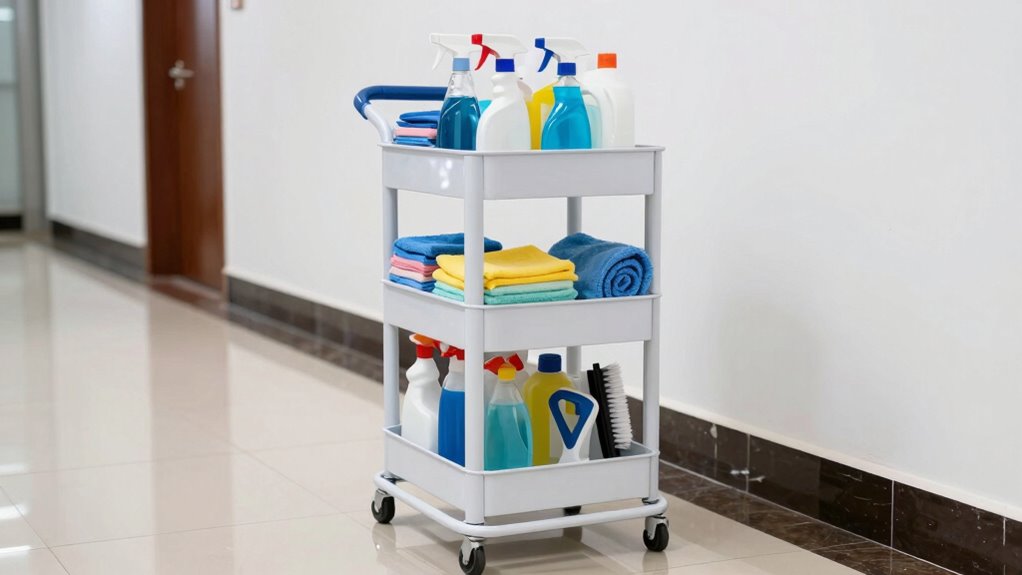

Maximizing route density helps you reduce travel time, cut costs, and boost efficiency in cleaning operations. It guarantees you cover more ground with fewer trips, saving fuel and lowering emissions. Using smart technology and data, you can plan routes that focus on high-density areas, making the most of your resources. By optimizing routes this way, you enhance customer satisfaction and sustainability. Keep exploring to discover how smarter route planning can transform your cleaning process.
Open a free Amazon Business account
Business pricing, bulk buying and tax-exempt orders.
As an affiliate, we earn on qualifying purchases.
Key Takeaways
- Higher route density reduces travel time, cutting operational costs and increasing efficiency.
- Concentrated routes minimize fuel consumption and emissions, supporting sustainability goals.
- Advanced data-driven planning optimizes paths, accounting for traffic and constraints for better results.
- Efficient routing decreases equipment idle time, lowering energy use and environmental impact.
- Dense routes enhance service reliability and customer satisfaction through streamlined operations.
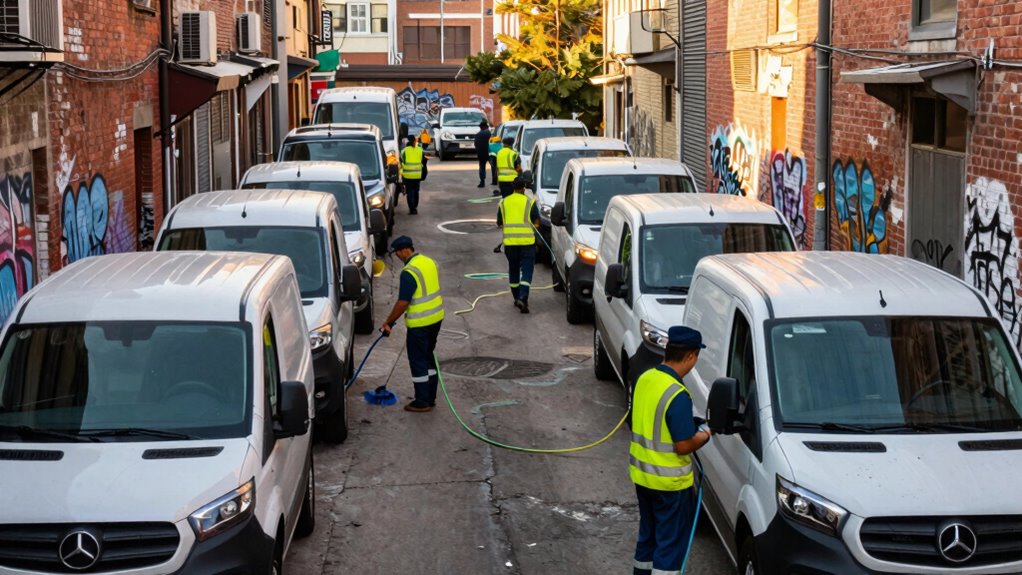
Have you ever wondered how route density impacts cleaning efficiency? It’s a vital factor that often gets overlooked, but understanding it can transform your entire cleaning operation. When your routes are densely packed, you reduce the amount of time and resources spent traveling between sites. It’s not just about speed, though—route density also plays a significant role in how eco-friendly your practices can be. By minimizing travel distances, you cut down on fuel consumption and emissions, making your cleaning efforts more sustainable. This is especially important if you aim to align your operations with eco-friendly practices, which are increasingly demanded by clients and regulations alike.
Optimizing route density boosts efficiency, cuts costs, and makes cleaning practices more eco-friendly and sustainable.
Incorporating technology integration into your planning process can help optimize route density further. Modern route planning software uses advanced algorithms to identify the most efficient paths, taking into account traffic, job priorities, and geographic constraints. These tools enable you to design routes that maximize coverage while minimizing travel time. As a result, you’re not only saving resources but also reducing your carbon footprint—an essential step toward eco-conscious cleaning. Technology allows you to analyze historical data to identify patterns and improve future routes, ensuring continuous efficiency gains. When you combine high route density with smart tech, your cleaning crew can work more effectively, spending less time on the road and more time on the actual cleaning.
Moreover, focusing on route density can help you implement more eco-friendly practices beyond just fuel savings. For instance, you can schedule more jobs in a single area, reducing the need for multiple trips and making better use of your equipment and supplies. This concentrated approach also means less waste and fewer chemicals needed per location, aligning with environmentally responsible cleaning standards. Additionally, efficient routing reduces idle time, cutting down on unnecessary energy use for equipment and transportation. This holistic approach not only benefits the environment but also enhances your reputation among clients who value sustainability. Recognizing the importance of route density can lead to significant improvements in overall operational efficiency and environmental impact. Furthermore, utilizing route optimization strategies ensures your cleaning operations are both effective and environmentally conscious. Incorporating data-driven planning can also help you identify inefficiencies and make targeted improvements over time.
In the end, route density isn’t just about saving time or money; it’s a strategic factor that influences your entire cleaning operation’s sustainability and effectiveness. When you prioritize dense, well-planned routes and leverage technology, you create a more eco-friendly, efficient, and reliable cleaning service. You’ll find that the benefits ripple through your costs, your environmental impact, and your customer satisfaction. By paying close attention to route density, you’re making a smart investment in the future of your cleaning business—one that’s more sustainable, more efficient, and better prepared for the challenges ahead.
route optimization software for cleaning services
As an affiliate, we earn on qualifying purchases.
As an affiliate, we earn on qualifying purchases.
Frequently Asked Questions
How Does Route Density Impact Employee Productivity?
Higher route density boosts your employee productivity by reducing travel time, allowing more tasks to be completed efficiently. When routes are optimized, your team stays motivated because they see better results and less frustration. Additionally, increased route density enhances safety considerations, as employees spend less time on the road and are less fatigued. This combination leads to a more motivated, safer, and productive cleaning team, ultimately benefiting your business outcomes.
What Are the Key Metrics to Measure Route Density?
The key metrics to measure route density include analyzing route planning efficiency and service frequency. You should track the number of stops per route and how closely they are scheduled to reduce travel time. Monitoring these metrics helps you optimize routes, increase productivity, and ensure consistent service delivery. By focusing on route planning and adjusting service frequency based on demand, you can markedly improve overall operational efficiency.
Can Increased Route Density Reduce Cleaning Costs?
Imagine a well-oiled machine—higher route density does reduce cleaning costs by boosting scheduling efficiency and fleet utilization. When you maximize stops per route, you eliminate wasted time and fuel, making each trip count. This streamlined approach cuts labor expenses, shortens downtime, and improves overall productivity. So, yes, increasing route density isn’t just smart; it’s essential for trimming costs and optimizing your cleaning operations.
How Does Route Density Affect Customer Satisfaction?
Higher route density directly boosts your customer satisfaction by improving service quality through more timely and consistent cleaning visits. When you optimize routes, you can dedicate more attention to each client, ensuring their needs are met effectively. This reliability fosters trust, encouraging customer retention. Ultimately, increasing route density helps you deliver superior service, making clients happier and more likely to stay loyal to your cleaning business.
What Tools Help Optimize Route Density Effectively?
Imagine you’re a modern-day knight, armed with routing software and GPS tracking—tools that help optimize route density. These technologies allow you to plan efficient routes, reduce travel time, and boost productivity. Routing software automates scheduling, while GPS tracking provides real-time updates on your team’s locations. Together, they streamline your operations, ensuring you’re covering more ground in less time, ultimately improving customer satisfaction and growing your business.
Conclusion
So, next time you plan your cleaning routes, ask yourself: are you really maximizing efficiency? Route density isn’t just a buzzword; it’s a game-changer that can save you time, reduce costs, and boost overall productivity. When you optimize your routes, you’re not just cleaning more effectively—you’re working smarter. Isn’t it time you gave route density the attention it deserves and saw the difference it can make? Your cleaning process will thank you.
Flea & tick season Picks
flea and tick prevention
As an affiliate, we earn on qualifying purchases.