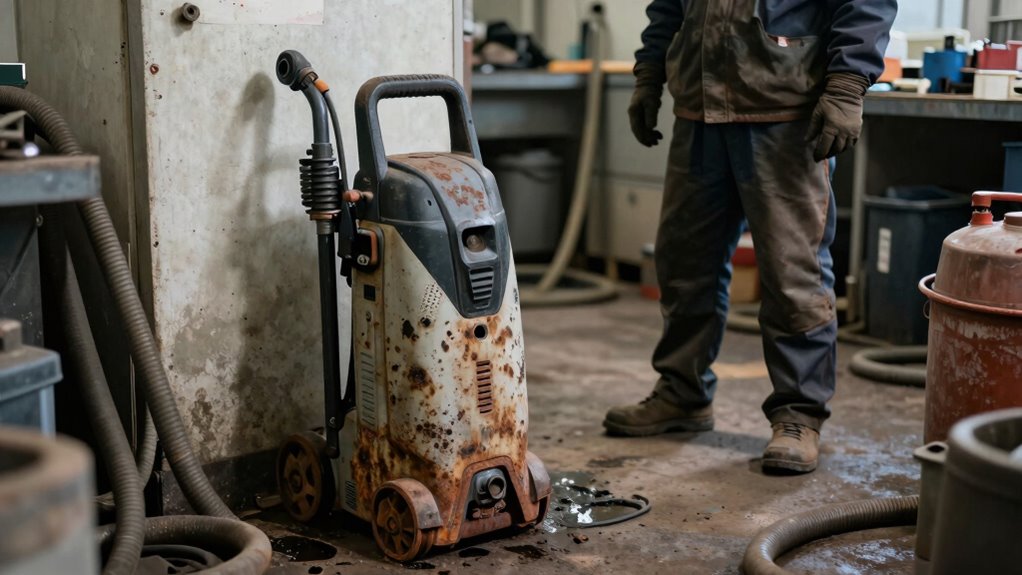

Downtime from equipment failures directly hits your profits because it halts cleaning operations, reduces productivity, and causes costly delays. When your machinery breaks down, you miss chance to complete jobs on time, leading to unhappy clients and lost revenue. Regular maintenance and quick repairs can prevent these setbacks, but if issues persist, your overall earnings suffer. Keep exploring to discover how effective planning can keep your equipment running smoothly and your profits steady.
Key Takeaways
- Equipment downtime halts cleaning operations, directly reducing productivity and revenue.
- Unplanned delays increase labor costs and decrease overall profit margins.
- Frequent breakdowns lead to missed project deadlines and potential client dissatisfaction.
- Repair costs and lost time elevate operational expenses, eroding profit.
- Lack of proactive maintenance results in larger failures, amplifying financial losses.
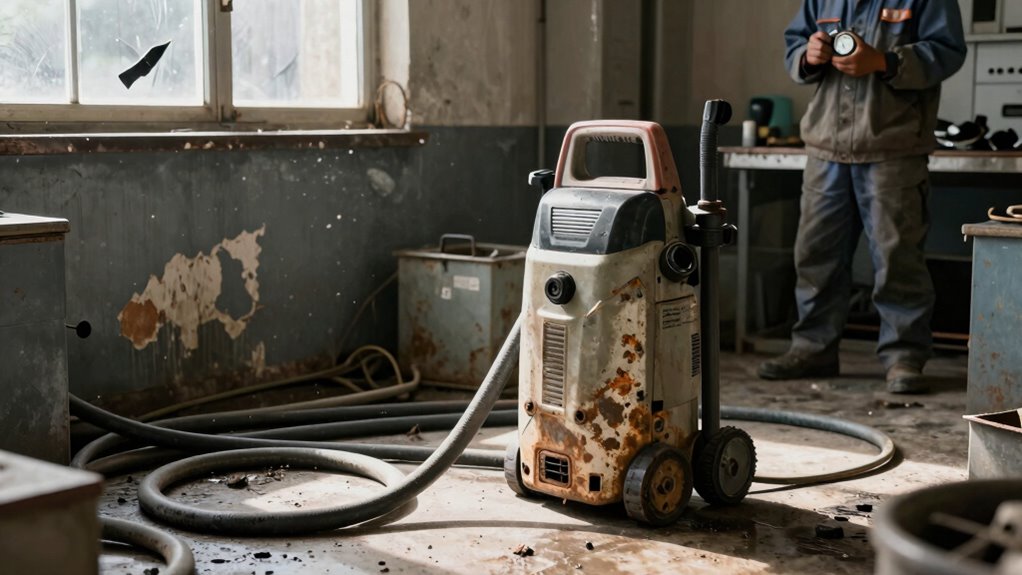
When equipment breaks down or needs maintenance, it can quickly grind your cleaning jobs to a halt, cutting into your profits. Downtime isn’t just a minor inconvenience; it’s a direct hit to your bottom line. Equipment-heavy cleaning jobs depend heavily on having reliable machinery in working order. When that machinery fails, every minute of lost productivity translates into missed opportunities and reduced earnings. To minimize these losses, prioritizing regular equipment maintenance is vital. Preventative checks and timely repairs keep your machinery running smoothly, helping you avoid unexpected breakdowns that cause costly delays.
Regular maintenance and timely repairs keep cleaning equipment reliable and prevent costly downtime.
But equipment maintenance alone isn’t enough. How you handle client communication during these times can make a meaningful difference. When delays happen, being upfront with your clients builds trust and prevents frustration. Let your clients know promptly about any issues, what you’re doing to fix them, and how it might impact the schedule. Clear, honest communication demonstrates professionalism and helps manage expectations. This way, clients are less likely to feel inconvenienced or lose confidence in your service. They’ll appreciate your transparency, which can lead to better reviews and repeat business, even when setbacks occur.
It’s also essential to plan ahead for potential equipment failures. Having backup tools or alternative solutions can keep your jobs on track despite unforeseen problems. For example, having spare parts on hand or a contingency plan for certain machines can reduce downtime considerably. When clients see you’re proactive about maintaining your equipment and managing delays, it boosts their confidence in your reliability. This proactive approach shows that you’re not just reactive but committed to providing consistent service. Incorporating preventative maintenance into your routine is a key step in avoiding costly equipment failures. Additionally, understanding the importance of reliable equipment can help prioritize investments in quality machinery that withstands demanding tasks. Regularly reviewing equipment performance and staying informed about emerging technologies can also help you select the best tools for your needs.
Furthermore, tracking your equipment’s performance helps identify patterns that might predict failures before they happen. Regular inspections and maintenance schedules ensure issues are caught early, preventing larger breakdowns. When you communicate these efforts to your clients, it reassures them that you’re taking every step to ensure a smooth process. Implementing a preventative maintenance plan can also help in detecting small problems before they escalate into major repairs. This combination of diligent equipment maintenance and transparent client communication creates a professional image that keeps your reputation intact and your profit margins healthy.
In the end, managing equipment downtime is about more than fixing machinery; it’s about maintaining trust, efficiency, and profitability. Prioritize equipment maintenance to reduce the risk of breakdowns and have a clear communication strategy ready for when delays occur. Both efforts work together to keep your cleaning jobs moving forward, your clients satisfied, and your profits protected. Recognizing the importance of reliable equipment and proactive management can significantly improve your overall success.
commercial equipment maintenance tools
As an affiliate, we earn on qualifying purchases.
As an affiliate, we earn on qualifying purchases.
Frequently Asked Questions
How Can I Identify Hidden Equipment Downtime Causes?
You can identify hidden equipment downtime causes by closely monitoring your machines and tracking maintenance records. Implement preventive maintenance schedules to catch issues early, and analyze downtime data to find patterns. Focus on root cause analysis to uncover underlying problems rather than just fixing symptoms. Regular inspections, employee feedback, and detailed logs help reveal hidden issues, ensuring you address the root causes and minimize unexpected downtime, ultimately boosting your profitability.
What Are Cost-Effective Ways to Reduce Equipment Downtime?
Did you know that proper maintenance scheduling can reduce equipment downtime by up to 30%? To cut costs effectively, prioritize regular maintenance and keep a well-organized spare parts inventory. Schedule inspections during off-peak hours to avoid disruptions, and stock essential parts to prevent delays. These strategies keep your equipment running smoothly, saving you money and boosting productivity on your cleaning jobs.
How Does Downtime Impact Customer Satisfaction?
Downtime directly impacts customer satisfaction by causing service disruptions that don’t meet their expectations. When equipment isn’t available or fails unexpectedly, your clients experience delays, which can lead to frustration and loss of trust. You risk damaging your reputation if you can’t deliver reliable, timely cleaning services. Staying proactive with maintenance and quick repairs helps guarantee customer expectations are consistently met, fostering loyalty and positive reviews.
Are There Industry Benchmarks for Acceptable Downtime?
Industry benchmarks vary, but generally, acceptable downtime ranges from 1% to 5%, depending on your profit margins and efficiency metrics. You should aim to keep downtime as low as possible to maximize profit and maintain high efficiency. Monitoring your equipment performance regularly helps identify issues early, reducing unnecessary downtime. Comparing your metrics with industry standards guides you in optimizing operations and boosting overall profitability.
What Tools Help Monitor Equipment Performance in Real-Time?
You can use tools like IoT sensors and software platforms for Predictive Maintenance to monitor equipment performance in real-time. These tools track variables such as vibration, temperature, and usage patterns, alerting you to potential issues before breakdowns occur. They help optimize equipment operation, reduce downtime, and maximize productivity. With Equipment Optimization tools, you gain valuable insights that keep your cleaning jobs running smoothly and profitably.
Conclusion
If you ignore equipment downtime, you’re risking more than just lost hours—you’re inviting chaos that could bankrupt your entire operation. Every minute your machines sit idle, you’re bleeding money faster than a sieve. Don’t let preventable breakdowns turn your profitable jobs into disasters. Stay vigilant, maintain your gear, and keep downtime to zero, or you’ll find yourself drowning in losses so huge, they’ll make your worst nightmares look like small potatoes. Protect your profits—stop downtime before it stops you.