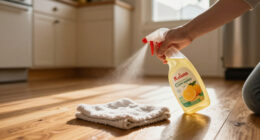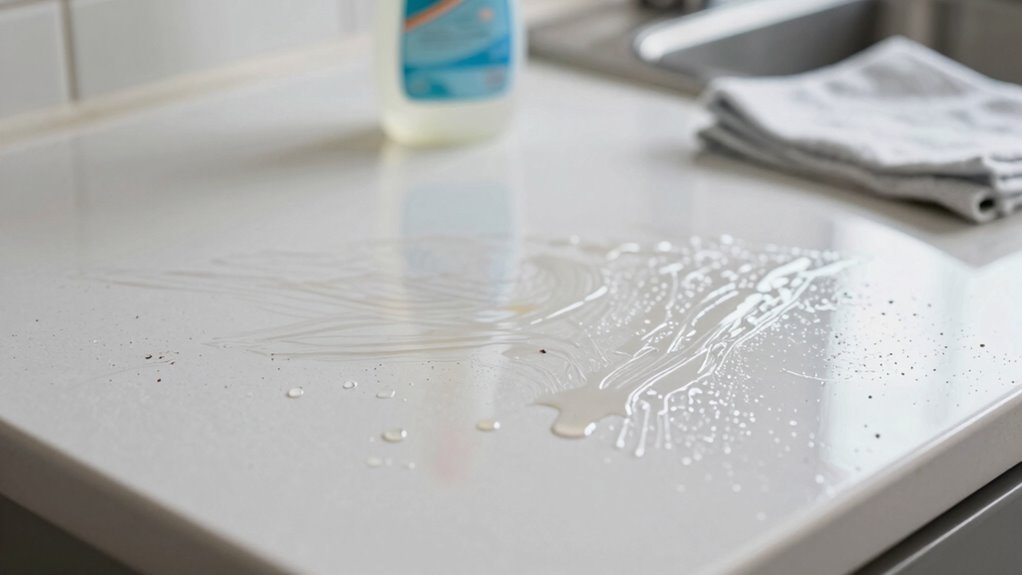
Spray-and-wipe cleaning might seem quick and easy, but it often leaves behind chemical residues that can cause skin irritation and damage delicate surfaces over time. It also creates a false sense of cleanliness, hiding bacteria and germs beneath chemical layers, which can be risky in kitchens or healthcare spaces. Plus, harsh chemicals contribute to indoor pollution and material deterioration. Want to find better ways to keep surfaces safe and truly clean? Keep exploring to discover effective alternatives.

Get cleaning gear delivered free — and shop member deals
- Fast, free delivery on millions of items
- Access to Prime Big Deal Days deals on October 6–7
- Prime Video, Amazon Music and more included
Key Takeaways
- Spray-and-wipe can leave chemical residues that may cause skin irritation and surface damage over time.
- It offers a false sense of cleanliness, potentially hiding bacteria and germs beneath chemical layers.
- Many disinfectant sprays contain VOCs, contributing to indoor air pollution and health risks.
- Frequent use of harsh chemicals can discolor, crack, or degrade delicate surfaces like wood and plastics.
- Alternative cleaning methods using natural solutions and microfiber cloths promote better hygiene and surface preservation.
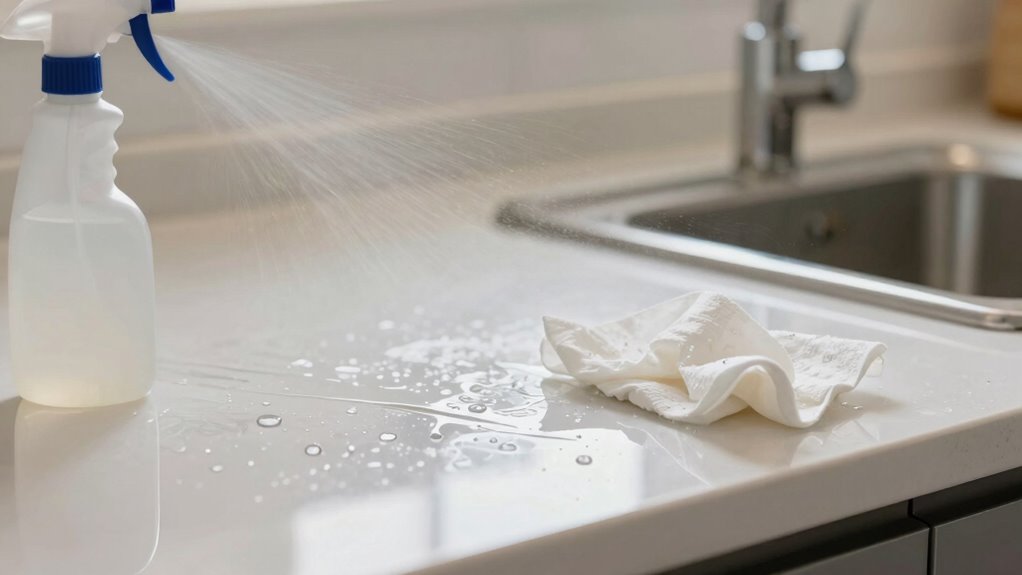
While spray-and-wipe cleaning is quick and convenient, it’s not always the most effective method for disinfecting surfaces. When you rely solely on this method, you might leave behind chemical residues that can linger on surfaces. These residues can be problematic, especially if they aren’t thoroughly wiped away, as they might cause skin irritation or interfere with the adhesion of new coatings or cleaning products. Additionally, some disinfectant sprays contain chemicals that can build up over time, creating a film that diminishes the surface’s appearance and texture. Over time, repeated spray-and-wipe cleaning can lead to surface damage, particularly on delicate or porous materials. For example, wooden furniture or certain plastics may become discolored or develop small cracks if exposed to harsh chemicals frequently. This damage can compromise the integrity of your surfaces, leading to costly repairs or replacements.
Relying solely on spray-and-wipe cleaning can leave residues and damage delicate surfaces over time.
You might think that using a spray-and-wipe method saves time, but it often masks underlying issues. When surfaces aren’t properly cleaned, bacteria and germs can remain hidden beneath layers of chemical residue. This false sense of cleanliness can be dangerous, especially in environments that demand strict hygiene standards, like kitchens or healthcare settings. The quick spray-and-wipe approach also encourages a habit of rushing through cleaning routines, which increases the likelihood of missing spots or not applying enough disinfectant to kill germs effectively. As a result, surfaces may look clean but aren’t truly sanitized, putting your health at risk. Furthermore, spray-and-wipe cleaning isn’t always environmentally friendly. Many disinfectant sprays contain volatile organic compounds (VOCs) that contribute to indoor air pollution and can be harmful to your respiratory health. If you’re not careful, you might end up inhaling these chemicals or exposing children and pets to them. Using alternative cleaning methods, such as damp cloths with natural cleaning solutions or microfiber cloths that trap dirt and bacteria more effectively, can reduce chemical residue and minimize surface damage. These options often require a bit more effort upfront but provide a safer, more thorough clean in the long run.
Additionally, chemical buildup can occur if sprays are overused, which can be difficult to remove once accumulated on surfaces. Proper cleaning techniques can prevent chemical accumulation, ensuring surfaces remain safe and undamaged. It’s also important to consider the potential for harsh chemicals to degrade certain materials over time, making regular maintenance essential to prolong the lifespan of your surfaces. Ultimately, while spray-and-wipe cleaning offers quick results, it’s not the best choice for long-term surface health or hygiene. You risk chemical buildup, surface deterioration, and incomplete disinfection, which can all compromise your environment’s safety and appearance. Investing in more thorough cleaning methods can save you time and money in the future, ensuring that your surfaces stay clean, intact, and safe for everyone.
As an affiliate, we earn on qualifying purchases.
Frequently Asked Questions
Can Spray-And-Wipe Remove Tough Stains Effectively?
Spray-and-wipe can struggle with tough stains, especially if the stain is deeply ingrained. It might require stronger cleaning agents, which can leave chemical residue and potentially damage delicate surfaces. You may find that scrubbing or using specialized cleaners works better for stubborn stains, avoiding surface damage and ensuring a thorough clean. In some cases, alternative methods save time and protect your surfaces from harm.
Is Spray-And-Wipe Safe for All Surface Types?
Spray-and-wipe isn’t safe for all surface types, especially if you’re concerned about surface compatibility or chemical sensitivity. Some surfaces, like wood or delicate electronics, can be damaged by certain chemicals in sprays. Always check labels and test on a small area first. If you have chemical sensitivities, opt for natural or hypoallergenic products to avoid reactions. Being cautious guarantees you clean effectively without risking damage or irritation.
How Often Should I Use Spray-And-Wipe on My Appliances?
You should use spray-and-wipe on your appliances sparingly, ideally once a week or when visibly dirty. Always check surface compatibility first—some surfaces may scratch or discolor. Also, consider chemical safety; opt for gentle, non-abrasive cleaners to avoid damage. Overuse can lead to residue buildup or damage, so follow manufacturer instructions and test in small areas. Regular but cautious cleaning keeps your appliances safe and in top shape.
Are There Environmental Concerns With Spray-And-Wipe Products?
Yes, there are environmental concerns with spray-and-wipe products. You should be aware of biodegradability concerns, as some formulas don’t break down easily, harming ecosystems. Chemical runoff can contaminate water sources, affecting wildlife and humans alike. To minimize impact, choose eco-friendly, biodegradable options and use them responsibly. Proper disposal and limiting overuse help reduce environmental harm, ensuring cleaner homes and a healthier planet simultaneously.
Can Spray-And-Wipe Help Eliminate Bacteria and Germs?
Spray-and-wipe methods can help eliminate bacteria and germs effectively if you use the right products. Make certain the cleaner is designed to kill germs and follow the instructions properly. Keep in mind, chemical residue might be left behind if you don’t wipe thoroughly, which can affect surface compatibility over time. Always choose a disinfectant suitable for your surfaces, and ensure proper ventilation during use for best results.
Conclusion
Remember, spray-and-wipe is like a quick splash of paint—easy but sometimes fleeting. To truly cleanse, you need to dig deeper, like tending to a garden beneath the surface. Don’t just settle for a shiny façade; scrub away the grime hiding in the corners. Embrace a thorough approach, and your cleaning efforts will shine brighter than a polished mirror. After all, true freshness blooms when you go beyond the surface.
Halloween Picks
halloween
As an affiliate, we earn on qualifying purchases.