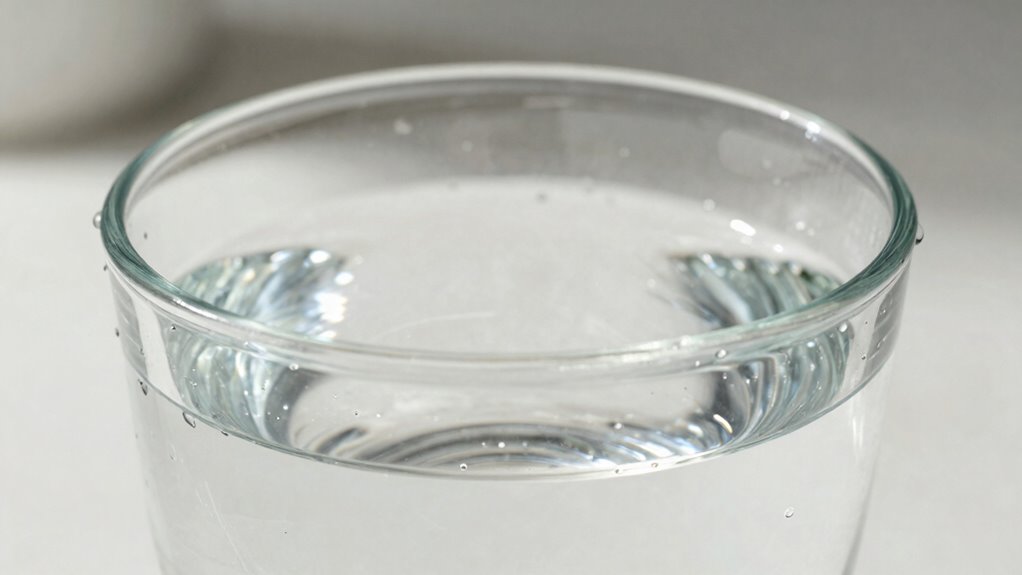

Using pure water is key to achieving streak-free, crystal-clear glass because it leaves behind no minerals, dirt, or impurities that cause residue. The high-quality, filtered water prevents streaks, spots, and streaks, ensuring a pristine finish. Less residue means you won’t need harsh chemicals, which is safer for the environment and your surfaces. If you keep exploring, you’ll discover how advanced filtration systems can improve results even further.
Key Takeaways
- Pure water eliminates minerals and impurities that cause streaks and spots on glass surfaces.
- High filtration efficiency ensures removal of tiny particles, reducing residues after cleaning.
- Using advanced filtration systems produces cleaner water, enhancing glass clarity and overall results.
- Pure water evaporates completely, leaving no chemical or mineral residues on glass.
- Fewer residues from pure water cleaning lead to a streak-free, pristine glass appearance.
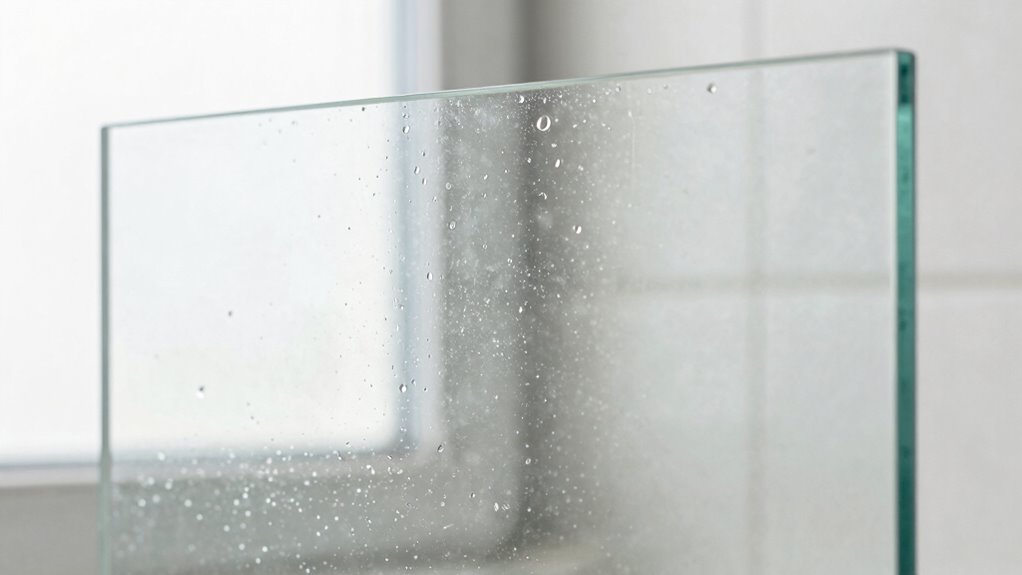
Have you ever wondered how pure water cleaning works? It’s a process that relies heavily on filtration efficiency to produce water that’s as pure as possible. When you’re cleaning glass or other surfaces, the goal is to leave behind no residue or streaks, and that’s where water purity becomes essential. Pure water cleaning uses specially treated water that has been stripped of minerals, dirt, and impurities, so it doesn’t leave behind any spots or streaks once it evaporates. The key is understanding that the higher the water purity, the cleaner and clearer your glass will look. filtration efficiency plays a critical role in achieving this high level of water purity. Advanced filtration systems remove contaminants at every stage, catching particles as small as a few nanometers. These systems often utilize multiple filters—such as reverse osmosis membranes, carbon filters, and fine particulate filters—to guarantee that every impurity is eliminated. The better the filtration efficiency, the fewer impurities remain in the water, which directly translates into less residue on the glass surface after cleaning. This means you don’t have to worry about soap residues or mineral deposits that can cause streaks or cloudiness. Additionally, the use of high-quality filtration materials can extend the lifespan of your cleaning equipment and improve overall efficiency.
Using water purity as a measure of cleaning effectiveness helps you understand why certain systems outperform others. When you’re using pure water, you’re essentially rinsing the surface with the cleanest possible liquid. Unlike traditional cleaning methods that rely on detergents or chemicals, pure water cleaning minimizes chemical residues. As the water evaporates, it leaves behind nothing but a spotless, streak-free surface. This is especially important for delicate glass or high-value items where even tiny residues can be noticeable. By focusing on water purity, you guarantee that your results are consistently excellent, with a crystal-clear finish that doesn’t require additional polishing or buffing.
Understanding the importance of filtration efficiency and water purity helps you appreciate why pure water cleaning is so effective. It’s not just about removing dirt; it’s about removing every trace of impurity that could compromise the clarity of your glass. Less residue means fewer streaks, fewer spots, and a more professional, pristine appearance. This approach also reduces the need for harsh chemicals, making it safer and more environmentally friendly. So, next time you’re cleaning glass, remember that the secret lies in the purity of the water, which directly impacts the quality of your cleaning results.
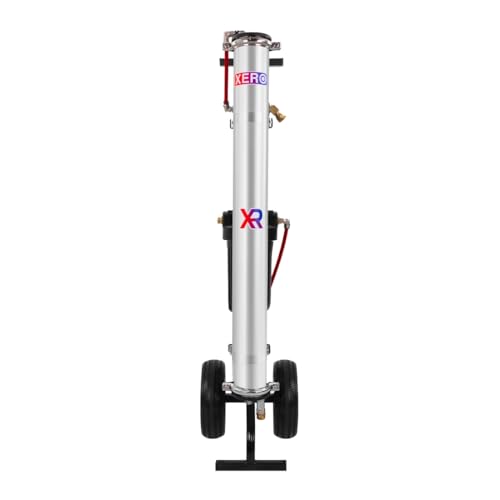
XERO Pure, Pure Water System for Window Cleaning
- Three-stage purification system: Carbon, reverse osmosis, deionization
- Durable and lightweight design: Easy to move around
- Simple filter replacement: Easy to change filters
As an affiliate, we earn on qualifying purchases.
As an affiliate, we earn on qualifying purchases.
Frequently Asked Questions
How Often Should Pure Water Cleaning Be Performed?
You should perform pure water cleaning as often as needed to maintain spotless glass, typically every few weeks or after heavy dirt or stain buildup. Regular cleaning guarantees water purity remains high, aiding effective stain removal and preventing residue from forming. By keeping up with routine cleanings, you’ll preserve the clarity and shine of your glass without the risk of stubborn residues, making your cleaning efficient and your glass crystal clear.
What Equipment Is Essential for Pure Water Glass Cleaning?
Imagine crystal-clear glass without streaks—your goal. You need essential equipment like filtration systems to guarantee pure water and spot removal tools to tackle stubborn marks. These systems remove contaminants and prevent residue buildup, giving your glass a flawless finish. Without proper filtration and spot removal tools, your cleaning efforts fall short, leaving behind residue. Invest in quality equipment, and you’ll see the difference in every spotless, gleaming pane.
Can Pure Water Cleaning Remove All Types of Stains?
Pure water cleaning effectively removes many stains, including dirt and mineral deposits, but it might not eliminate all types like chemical residues or organic stains. For chemical residues, you may need specialized cleaning solutions, while organic stains—such as bird droppings or plant matter—sometimes require a combined approach. Remember, pure water cleaning is excellent for achieving a spotless, residue-free finish, but certain stubborn stains may need additional treatment.
Is Pure Water Cleaning Suitable for All Glass Surfaces?
You might find pure water cleaning suitable for many glass surfaces, but it depends on glass durability and surface compatibility. Imagine a delicate antique mirror versus a sturdy commercial storefront; the cleaning method’s gentle nature suits the latter more. Always assess the glass’s strength and finish. While pure water cleaning reduces residue and streaks, it’s essential to determine if your specific glass can handle this method without damage.
How Does Water Quality Affect Cleaning Efficiency?
Water quality directly impacts cleaning efficiency because high water purity guarantees effective contaminant removal. When the water contains fewer impurities, it can better dissolve and lift dirt, grime, and residues from glass surfaces. Contaminant-free water reduces streaking and spots, leaving glass clearer and shinier. Consequently, using water with ideal purity improves cleaning results, making your glass surfaces look spotless and well-maintained.
Conclusion
Now that you understand the basics of pure water cleaning, you’re better equipped to achieve streak-free, sparkling glass. Remember, less residue means a clearer view and less hassle down the line. Think of it as killing two birds with one stone—saving time and ensuring excellent results. Keep these principles in mind, and you’ll see your glass shine brighter than ever. With a little practice, you’ll be a pro in no time!