To stop sludge and odors in your aqueous parts washer tank, you should regularly schedule drainings and thorough cleanings to remove residues, oils, and dirt buildup. Use biodegradable solutions and enzyme-based treatments to break down contaminants naturally and inhibit bacterial growth. Keep an eye on solution clarity and levels, and add biocides if needed. Maintaining good record-keeping helps you spot trends and plan preventive maintenance. Continue exploring to discover more effective tips for long-term system health.
Key Takeaways
- Regularly drain, clean, and refill the wash tank to prevent residue buildup and microbial growth.
- Use biodegradable, enzyme-based solutions to break down contaminants and reduce foul odors.
- Add approved biocides or microbial treatments to inhibit bacteria and mold development.
- Monitor solution clarity and level, performing inspections to catch early signs of sludge or odor.
- Maintain detailed maintenance records to optimize cleaning schedules and ensure long-term system health.
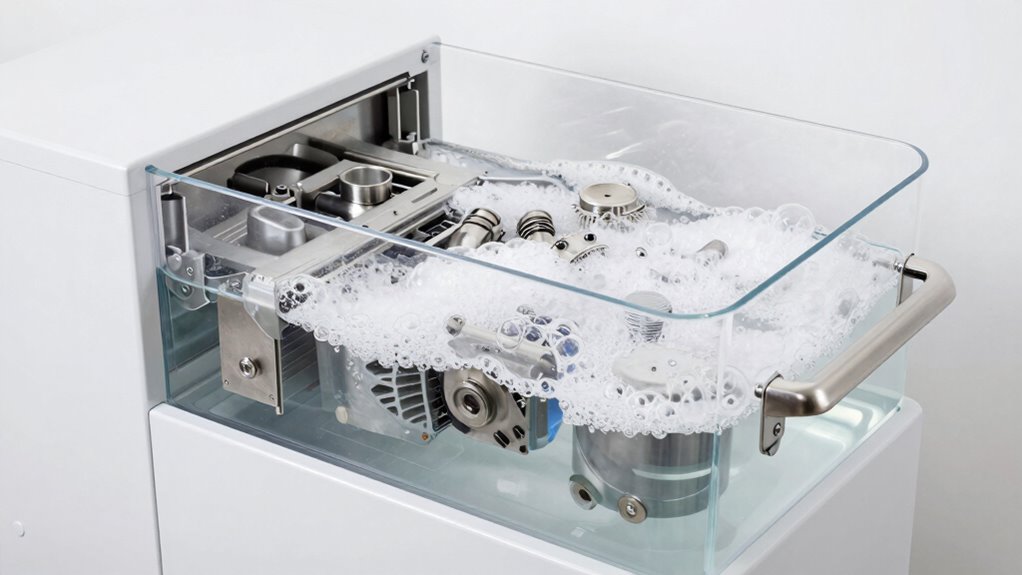
Are you looking for an efficient and environmentally friendly way to clean your mechanical parts? Aqueous parts washers offer a sustainable alternative to traditional solvent-based cleaners, using biodegradable solutions that are gentle on the environment while still delivering powerful cleaning performance. However, if you notice sludge buildup or unpleasant odors in your tank, it’s time to take action to keep your system running smoothly. Regularly reviewing and adhering to maintenance schedules is key to preventing these issues and guaranteeing ideal operation.
Sludge and foul smells often develop when residues, oils, and dirt accumulate in the tank over time. If you neglect routine maintenance, these deposits can form a thick layer that hampers cleaning effectiveness and creates the perfect environment for bacteria and mold growth, which causes bad odors. To combat this, you should establish a strict maintenance schedule that includes draining and cleaning the tank at regular intervals. This proactive approach helps remove sludge before it becomes a problem, maintaining the efficiency of your aqueous cleaning system.
Using biodegradable solutions is not only environmentally responsible but also simplifies maintenance. These solutions break down naturally, reducing the build-up of stubborn residues that can contribute to sludge formation. When selecting cleaning agents, opt for those specifically formulated for aqueous systems and certified as biodegradable. This way, you minimize the risk of chemical buildup and ensure that your cleaning process remains eco-friendly. Additionally, using the right concentration of these solutions, as recommended by the manufacturer, can extend the lifespan of your wash tank and reduce the frequency of deep cleanings.
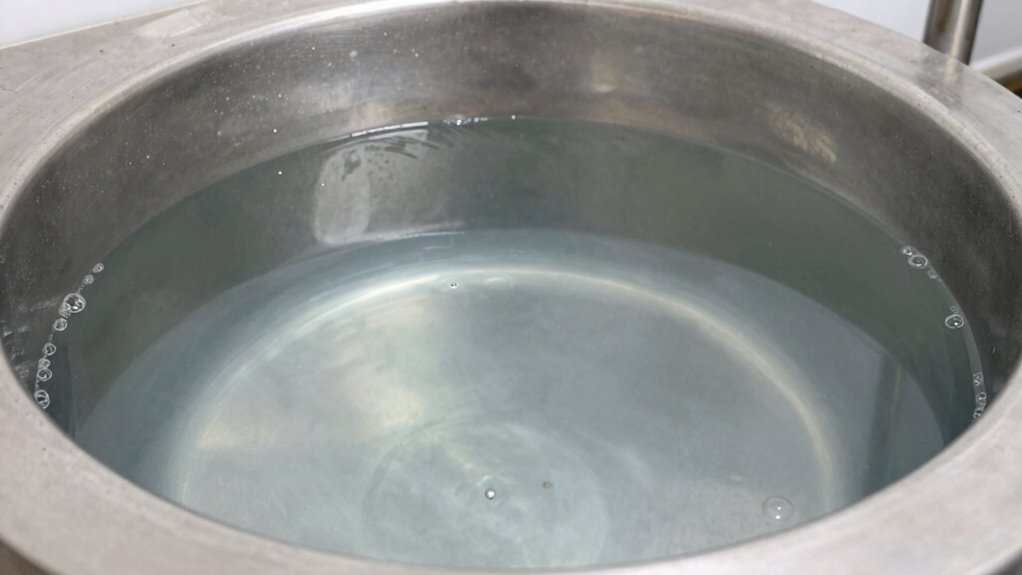
Incorporate routine inspections into your maintenance schedule to identify early signs of sludge and odors. Check the solution levels and clarity regularly, and look for any signs of contamination or thickening. When needed, perform a thorough cleaning by draining the tank, removing residues, and refilling with fresh biodegradable solutions. Consider adding biocides or enzyme-based treatments approved for aqueous systems to further inhibit bacterial growth, especially if odors persist despite cleaning. These treatments help keep the tank environment inhospitable for odor-causing microbes. Moreover, understanding equipment maintenance and its role in preventing microbial buildup can significantly enhance your system’s longevity.
Finally, keep detailed records of your maintenance activities, noting dates and procedures performed. This documentation helps you track patterns and adjust your schedule as needed. Properly maintained aqueous parts washers not only improve cleaning performance but also extend equipment life, reduce downtime, and promote a healthier workplace environment. By following a disciplined maintenance routine and choosing biodegradable solutions, you can effectively prevent sludge buildup and eliminate unpleasant smells, ensuring your parts are clean, safe, and environmentally responsible.
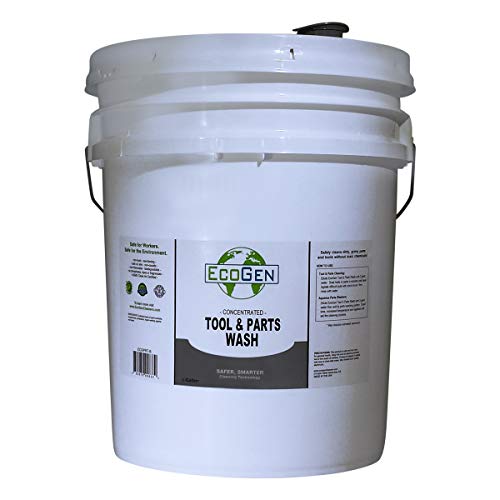
EcoGen Tool & Parts Cleaner; 4X Concentrated Formula, Non-Flammable Parts Washer Solution, Biodegradable, Water Based, Safe On Skin, 5 Gallon Bucket
INDUSTRIAL CLEANING POWER: EcoGen's parts washer cleaner is compatible with any water based parts washer, making it an…
As an affiliate, we earn on qualifying purchases.
As an affiliate, we earn on qualifying purchases.
Frequently Asked Questions
Can Aqueous Parts Washers Be Used for All Types of Metals?
Aqueous parts washers aren’t suitable for all types of metals. You need to consider metal compatibility to prevent corrosion or damage. For example, aluminum and zinc may be sensitive to certain cleaning solutions, affecting cleaning effectiveness and metal integrity. Always check manufacturer guidelines to ensure the washer’s cleaning agents work well with your specific metals. Properly matching the washer’s capabilities with your metals ensures safe, effective cleaning without causing harm.
How Often Should I Replace the Aqueous Cleaning Solution?
You should replace the aqueous cleaning solution based on your maintenance schedule, typically every 4 to 6 weeks, or when you notice it becoming cloudy, smelly, or less effective. Regular solution replacement helps prevent sludge buildup and odors. Keep an eye on the solution’s condition, and follow your manufacturer’s recommendations for a proper maintenance schedule. Doing so guarantees peak cleaning performance and extends the life of your washer.
Are Aqueous Washers Environmentally Friendly?
Aqueous washers are like a breath of fresh start—generally eco-friendly and better for the environment. They have a lower environmental impact compared to solvent-based cleaners, producing less harmful emissions and waste. Their eco-friendliness depends on proper maintenance and disposal, but overall, they contribute less to pollution. Using aqueous washers helps you reduce your environmental footprint, making them a smart, sustainable choice for cleaning operations.
What Safety Precautions Are Needed When Operating Aqueous Washers?
When operating aqueous washers, you need to wear personal protective equipment like gloves, goggles, and aprons to prevent skin and eye contact. Guarantee proper ventilation to avoid inhaling fumes, and follow all safety guidelines. Keep the area well-ventilated, and regularly inspect equipment for leaks or damage. Always read the manufacturer’s instructions and train yourself on safe handling practices to protect yourself and maintain a safe working environment.
How Can I Prevent Corrosion in the Washer Tank?
To prevent corrosion in your washer tank, you should use corrosion inhibitors in the cleaning solution, which help protect metal surfaces. Additionally, applying proper tank coatings creates a barrier against moisture and chemicals, reducing rust risk. Regularly monitoring and maintaining the solution levels and pH also help prevent corrosion. Combining these measures ensures your washer stays in good condition, extending its lifespan and maintaining ideal performance.

Oil Eater Parts Washer Fluid, Water-Based Heavy Duty pH Neutral, Smart Microbe Safe Parts Cleaner Systems, 5 Gallons
Pro strength, heavy duty parts washing fluid destroys grease and grime for easy clenaing on automotive parts, industrial…
As an affiliate, we earn on qualifying purchases.
As an affiliate, we earn on qualifying purchases.
Conclusion
So, next time your aqueous parts washer starts smelling like a swamp and turns into a sludge monster, just remember—you’re practically inviting a science experiment to take over. With a little maintenance and some simple tricks, you can keep that tank smelling fresh and running smoothly. Trust me, your tools—and your nose—will thank you. After all, who needs a swamp in the garage when you’ve got a perfectly clean, odor-free parts washer?
aqueous parts washer biocide
As an affiliate, we earn on qualifying purchases.
As an affiliate, we earn on qualifying purchases.
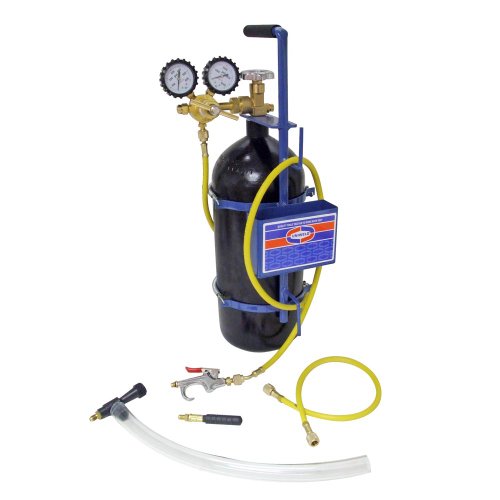
Uniweld 40040 Nitrogen Sludge Sucker and Blaster Kit with Metal Carrying Stand for 40 Cubic Feet Nitrogen Tank
The Nitrogen Sludge Sucker and Blaster Kits are specifically designed for multiple uses in the HVAC/R industry (Tank…
As an affiliate, we earn on qualifying purchases.
As an affiliate, we earn on qualifying purchases.