
When a steam sanitizing claim says it “kills” or “eliminates” germs, it usually means the high-temperature vapor reduces many microorganisms, making surfaces much safer. However, actual results depend on factors like contact time, temperature, and the type of germs. Not all bacteria or viruses are fully destroyed, so “sanitize” doesn’t always mean complete sterilization. To find out more about what to expect from steam cleaning, keep exploring these details.
Key Takeaways
- “Sanitize” typically means reducing or killing harmful microorganisms on surfaces, but effectiveness varies by product and conditions.
- Steam sanitization uses high-temperature vapor to destroy germs, with efficacy depending on contact time and temperature.
- Steam can reduce many bacteria and viruses but may not eliminate all pathogens, especially resistant strains.
- Claims of sanitization should be supported by microbial reduction levels or certifications for accuracy.
- Proper technique, thorough cleaning, and understanding steam’s limitations are essential for real-life sanitizing results.
Steam sanitizing claims have become increasingly popular as consumers seek effective, chemical-free cleaning options. You might wonder what “sanitize” really means in this this context and whether steam truly delivers on its promises. When a product claims to sanitize, it generally suggests that it can kill or substantially reduce harmful microorganisms on surfaces, but the specifics can vary. Unlike ultraviolet sterilization, which uses ultraviolet light to destroy bacteria, viruses, and fungi, steam sanitization relies on high-temperature vapor to achieve similar results. Both methods aim to eliminate pathogens without resorting to chemical disinfectants, making them attractive options for health-conscious consumers.
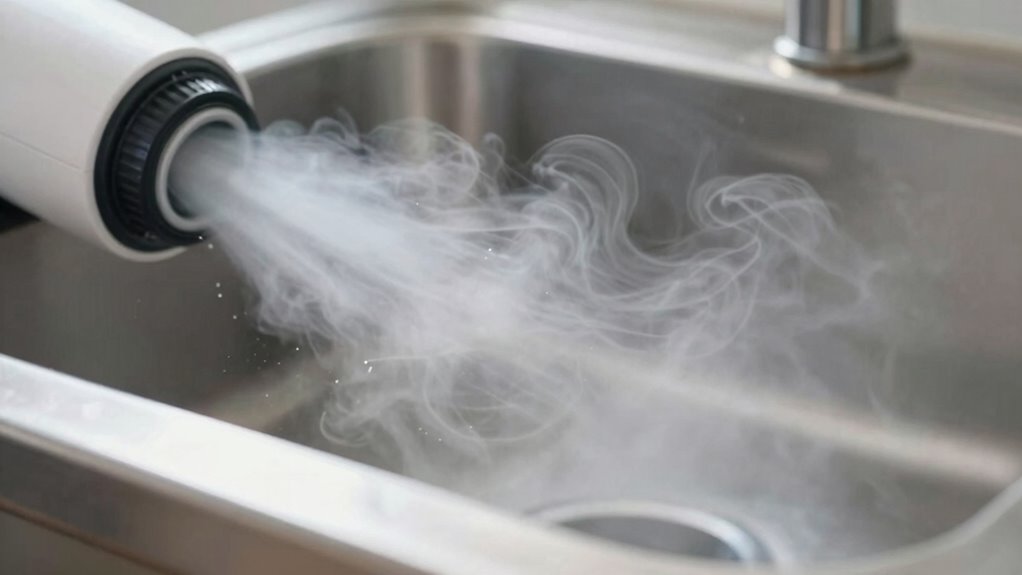
Steam sanitization works by exposing surfaces to hot vapor, typically at temperatures above 212°F (100°C). This heat penetrates crevices, fabric fibers, and other hard-to-reach areas, effectively destroying many germs. However, it’s critical to understand that the effectiveness depends on factors like contact time, temperature, and the type of microorganisms present. For example, some bacteria and viruses are more resistant and may require longer exposure or higher temperatures to be fully eradicated. That’s why many manufacturers specify what their steam products can or cannot sanitize, emphasizing that steam is a powerful tool but not a universal solution.
When comparing steam to ultraviolet sterilization, it’s important to recognize that each method has its strengths and limitations. Ultraviolet sterilization uses light energy to damage the DNA or RNA of microorganisms, rendering them inactive. It’s excellent for disinfecting surfaces and air but can be limited by shadows and surface irregularities that block the light. Steam, on the other hand, offers direct contact and heat transfer, which can be more effective on textured or porous surfaces. Both methods are chemical-free, appealing to those avoiding harsh disinfectants, but neither guarantees complete sterilization without proper technique.
Furthermore, understanding the effectiveness of sterilization methods helps consumers set realistic expectations and choose the right tool for their needs. You should also consider that “sanitizing” in marketing claims doesn’t always mean the same thing across products. Some might reduce germs substantially, but not eliminate all pathogens, especially if instructions aren’t followed precisely. Check for specific microbial reduction levels or certification standards, as these provide a clearer picture of efficacy. Remember, steam sanitization is a valuable part of a cleaning routine, but it works best when combined with good hygiene practices and proper usage. So, while steam offers a chemical-free way to sanitize, understanding its capabilities and limits helps you make informed decisions about your cleaning efforts.

The Original Disinfectant Fogger Machine – Professional Sanitizer Sprayer – ULV Atomizer & Nano Steam Gun – Rechargeable Barber Spray Gun with Blue Light V2
- Fast Cleaning: Cleans rooms in under 5 minutes
- Wide Spray Range: Sprays 12-20 inches for even coverage
- No Preheating Needed: Power on and spray instantly
As an affiliate, we earn on qualifying purchases.
As an affiliate, we earn on qualifying purchases.
Frequently Asked Questions
How Long Does the Sanitizing Effect Last on Surfaces?
The sanitizing effect on surfaces typically lasts for a few hours, but surface longevity varies based on factors like contact and environment. You can expect sanitizing durability to decline as the surface is touched or exposed to dirt and moisture. To maintain a cleaner space, it’s best to re-sanitize regularly, especially in high-traffic areas, ensuring that your surfaces stay protected for as long as possible.
Can Steam Sanitize All Types of Materials Effectively?
Steam can effectively sanitize many materials, but its success depends on material compatibility and heat penetration. You should be cautious with delicate surfaces like plastics or electronics, as excessive heat may cause damage. For best results, verify the steam reaches all areas, especially porous or uneven surfaces, so heat penetrates thoroughly. Always check manufacturer guidelines to confirm whether your specific materials are suitable for steam sanitization.
Are There Health Risks Associated With Steam Sanitizing?
Did you know that improper steam sanitizing can cause burns or respiratory issues in 1 out of 20 users? You should always consider health risks and follow safety precautions. While steam sanitizing is generally safe if done correctly, inhaling steam or coming into contact with hot surfaces can pose risks. To stay safe, use gloves, ensure proper ventilation, and avoid direct contact with hot steam or surfaces.
How Does Steam Sanitizing Compare to Chemical Disinfectants?
Steam sanitizing is often safer than chemical disinfectants because it leaves no chemical residue behind, reducing health risks. It also has a lower environmental impact since it doesn’t introduce harmful chemicals into the ecosystem. You’ll find steam effective for sanitizing surfaces without exposing yourself or your environment to toxic residues, making it a more eco-friendly and safer option compared to chemical disinfectants.
Is Steam Sanitizing Safe for Electronics and Delicate Items?
Steam sanitizing can be safe for electronics and delicate items if you use proper techniques. You should keep the steam distance moderate and avoid direct contact with sensitive components. Always check manufacturer guidelines for electronics safety and test on small areas first. When used carefully, steam effectively disinfects without risking damage to delicate items, making it a convenient option for cleaning electronics and other fragile possessions.
Conclusion
Think of steam as a gentle guardian, wielding its warmth like a shield that silently shields your space from unseen threats. When a product claims to “sanitize,” it’s like inviting this guardian to stand watch, warding off germs with quiet confidence. Remember, the meaning of “sanitize” is like a lighthouse guiding you through foggy doubts—clarifying what’s truly clean. Trust in steam’s quiet power to illuminate cleanliness and keep your environment safe.