

When writing a cleaning scope for RFPs, clearly specify the areas requiring service, their cleaning frequency, and any safety or environmental standards you expect. Include details on green cleaning practices, safety protocols, and any specialized needs like infection control. Be precise about your expectations to avoid misunderstandings and guarantee vendor responses meet your needs. Focusing on these elements helps you select a reliable partner. Continue further to get detailed guidance on crafting a thorough scope.
Key Takeaways
- Clearly define cleaning areas, frequencies, and scope to set expectations and prevent misunderstandings.
- Incorporate environmental standards by specifying eco-friendly products and recognized green certifications.
- Include safety protocols aligned with OSHA guidelines, PPE requirements, and staff safety training.
- Address specialized needs such as infection control, hazardous waste handling, and high-touch surface disinfection.
- Request detailed vendor approaches on green cleaning methods and safety procedures to evaluate compliance and expertise.
Defining the cleaning scope for RFPs is a critical step that directly impacts the quality and efficiency of your cleaning services. When you clearly outline what needs to be cleaned and the standards expected, you set the foundation for a successful partnership with your service provider. Incorporating elements like green cleaning and safety protocols into your scope ensures that your environment remains healthy, sustainable, and compliant with regulations. This clarity helps prevent misunderstandings and promotes accountability, making your RFP more attractive to reputable vendors.
Start by identifying the specific areas that require cleaning, such as offices, restrooms, kitchens, and common areas. Be detailed about the frequency of cleaning — daily, weekly, or bi-weekly — to match your operational needs. When emphasizing green cleaning, specify that environmentally friendly products and practices should be used. This not only aligns with sustainability goals but also appeals to vendors experienced with eco-friendly methods. Mention that cleaning supplies should meet recognized green standards, like EPA Safer Choice or Green Seal certifications, ensuring the vendor understands your commitment to environmentally responsible practices.
Identify areas for cleaning and specify green product standards like EPA Safer Choice or Green Seal.
Safety protocols are equally essential. Clearly state that the cleaning provider must adhere to OSHA guidelines and other relevant safety standards. This includes proper handling and disposal of chemicals, use of personal protective equipment (PPE), and training staff on safety procedures. Detailing safety expectations minimizes risks of accidents and ensures your facility remains a safe environment for everyone. If your site has specific hazards or sensitive areas, highlight these explicitly so vendors can tailor their safety measures accordingly.
Additionally, include any specialized cleaning needs, such as handling hazardous waste, disinfecting high-touch surfaces, or maintaining specialized equipment. If your organization has policies for infection control or pandemic response, specify these requirements as well. This level of detail helps vendors understand the scope and prepares them to meet your standards effectively.
Remember to request vendors provide their approach to green cleaning and safety protocols in their proposals. This demonstrates their commitment and allows you to evaluate their expertise in these areas. A well-defined cleaning scope not only streamlines the procurement process but also ensures you select a partner aligned with your environmental and safety priorities. The clearer your scope, the better your chances of establishing a maintenance plan that guarantees cleanliness, safety, and sustainability throughout your facility.
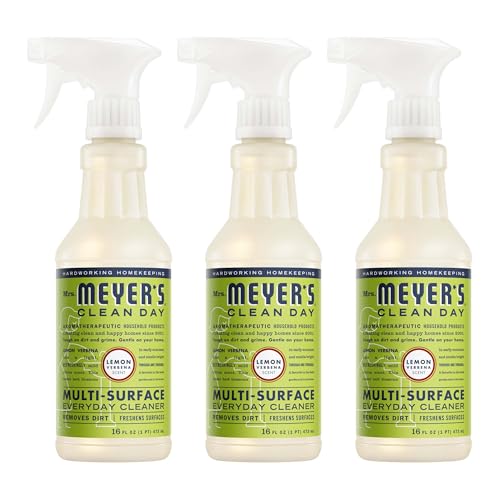
MRS. MEYER'S CLEAN DAY Cleaner Spray, Lemon Verbena, 16 fl oz, 3 Pack
- Effective Multi-Surface Cleaner: Removes dirt and freshens surfaces
- Cruelty-Free & Certified: Made with essential oils, Leaping Bunny Certified
- Lemon Verbena Scent: Light citrus aroma with bergamot, lemon, geranium, cedarwood
As an affiliate, we earn on qualifying purchases.
As an affiliate, we earn on qualifying purchases.
Frequently Asked Questions
How Do I Prioritize Cleaning Tasks for Different Facility Types?
You should prioritize cleaning tasks based on facility standards and cleaning frequency. First, assess each area’s usage and contamination risk, giving higher priority to high-traffic or sensitive zones like restrooms and kitchens. Then, align tasks with industry standards, ensuring essential areas are cleaned more frequently. This approach helps maintain hygiene, safety, and efficiency, ensuring your cleaning efforts match the needs of each facility type effectively.
What Are Common Mistakes to Avoid in Scope Writing?
Avoid vague scope descriptions, unclear expectations, and overly broad details. Prioritize scope clarity to guarantee your requirements are specific, measurable, and achievable. Be precise about tasks, frequencies, and standards to prevent misunderstandings. In vendor selection, avoid ambiguity that complicates comparisons, and don’t overlook including all relevant details. Clear, concise scope writing helps you select the right vendor, ensure quality, and streamline the cleaning process from start to finish.
How Detailed Should the Cleaning Schedule Be?
You should make your cleaning schedule detailed enough to specify cleaning frequency for each area, such as daily, weekly, or monthly tasks. Be clear about expectations to avoid confusion. Include staff training requirements to guarantee proper cleaning standards are met. This level of detail helps vendors understand your needs and maintains consistent cleanliness, ultimately improving service quality and accountability.
What Legal Considerations Should Be Included in the Scope?
You should include legal considerations like contractual obligations and liability considerations in your scope. Clearly specify that the cleaning contractor must adhere to all relevant laws and regulations, and outline the extent of their liability for damages or safety violations. This guarantees both parties understand their responsibilities, reduces legal risks, and helps prevent disputes. Incorporating these elements makes your scope thorough and legally sound.
How Can I Ensure Scope Flexibility for Future Needs?
To guarantee scope flexibility for future needs, you should include provisions for scope adjustment in the contract. Clearly specify procedures for requesting modifications and set parameters for adjustments, allowing both parties to adapt as requirements evolve. Incorporate clauses that promote contract flexibility, such as regular review periods and options for adding services, so your cleaning scope remains adaptable without needing a complete overhaul.
Conclusion
By clearly defining your cleaning scope in RFPs, you set the foundation for a smooth project, like a well-laid blueprint guiding every step. It guarantees everyone’s on the same page, avoiding surprises and delays. Remember, a detailed scope is your shield against misunderstandings, so don’t leave anything to chance. When your expectations are crystal clear, you’ll navigate the cleaning process as smoothly as a ship gliding through calm waters.