
To control dust in an open-plan office, regularly monitor air quality with sensors and maintain your ventilation system to keep dust levels low. Organize your workspace to reduce dust traps, use HEPA filters, and incorporate frequent cleaning routines with microfiber cloths and dust mops. Encouraging staff to keep areas tidy and practicing good hygiene also makes a difference. Keep exploring for more effective strategies to create a healthier, cleaner environment for everyone.
Key Takeaways
- Implement regular air quality monitoring to detect dust levels and identify sources early.
- Optimize ergonomic desk setups and organization to minimize dust accumulation on surfaces.
- Use HEPA-filter vacuum cleaners and microfiber cloths during cleaning routines to reduce airborne dust.
- Maintain and upgrade ventilation systems with effective filters to enhance dust filtration and airflow.
- Foster a culture of cleanliness through employee education, workspace tidiness, and reporting dust issues promptly.

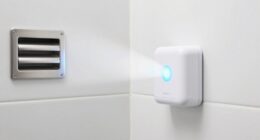
Open-plan offices are popular for fostering collaboration, but they also pose unique challenges when it comes to dust control. Without proper measures, dust can circulate freely, affecting air quality and employee health. To combat this, implementing effective dust control strategies is essential. One of the most proactive steps you can take is air quality monitoring. By regularly checking the air in your workspace, you can identify dust levels and sources early. This helps you determine whether your ventilation systems are functioning properly or if additional filtration is needed. Air quality sensors can alert you to spikes in dust particles, allowing timely interventions before the situation worsens. Monitoring also provides data that can guide your cleaning schedules and equipment upgrades, ensuring a healthier environment for everyone.
Alongside air quality monitoring, focusing on ergonomic desk setups plays a significant role in dust management. When desks are well-organized and designed with dust control in mind, you minimize surfaces where dust can settle and accumulate. Encouraging employees to use desk organizers, cable management tools, and minimal clutter reduces dust traps. Additionally, adjustable desks that promote proper posture can improve airflow around workstations, helping to keep dust particles dispersed rather than settling on surfaces. Proper placement of personal items and equipment prevents dust buildup and makes cleaning more efficient. Educating staff about maintaining their ergonomic setups also promotes a cleaner workspace, reducing dust sources like paper debris, fabric fibers, and personal belongings that shed dust.
Regular cleaning is essential, but it needs to be strategic. Using HEPA-filter vacuum cleaners and microfiber cloths can substantially reduce dust levels. Incorporate dust-mopping and damp wiping into your routine, especially in high-traffic areas and around desks. Make sure cleaning staff are trained to target hidden spots like vents, behind equipment, and under desks, where dust often hides. Ventilation systems should be checked periodically to confirm they are filtering dust effectively and providing fresh air exchange. This not only improves indoor air quality but also prevents dust from recirculating through the office. Incorporating dust control products can further enhance your efforts by reducing airborne particles and trapping dust at the source.
Finally, fostering a culture of cleanliness and awareness is crucial. Encourage employees to keep their workspaces tidy, wash hands regularly, and report dust concerns promptly. By integrating air quality monitoring, ergonomic desk setups, strategic cleaning, and staff participation, you create a healthier, more productive open-plan office environment. Dust control isn’t a one-time task; it requires ongoing attention to maintain best possible air quality and ensure everyone can work comfortably and safely.
Frequently Asked Questions
How Often Should Air Filters Be Replaced in Open-Plan Offices?
You should replace air filters every 3 to 6 months, depending on usage and dust levels. Regular air filter maintenance is essential to keep dust and allergens at bay. Use dust detection technology to monitor air quality and determine if more frequent replacements are needed. Consistent filter changes help maintain a healthy environment, reduce allergens, and improve overall air quality in your open-plan office.
What Are the Most Effective Dust-Absorbing Plants for Offices?
Did you know that certain plants can reduce indoor air pollutants by up to 30%? For improving indoor air quality, consider snake plants, pothos, or peace lilies, which are highly effective at absorbing dust and toxins. You’ll need to maintain these plants regularly—watering, cleaning leaves, and ensuring proper light—to keep them thriving. Their presence helps create a cleaner, healthier office environment while requiring minimal plant maintenance.
Can Office Furniture Contribute to Dust Accumulation?
Yes, office furniture can contribute to dust accumulation. You might notice that desks, chairs, and filing cabinets trap dust, especially if they have textured surfaces or fabric upholstery. Over time, dust settles on and around your furniture, leading to increased airborne particles. Regular cleaning, choosing furniture with smooth surfaces, and using dust-resistant materials can help reduce dust buildup and improve air quality in your workspace.
What Personal Protective Equipment Is Recommended for Dust-Sensitive Employees?
If you’re dust-sensitive, you should wear respiratory masks to filter out airborne particles and protective eyewear to prevent dust from irritating your eyes. These personal protective equipment items help reduce your exposure and keep you safe while working in dusty environments. Always make certain your respiratory mask fits properly and replace filters regularly. Wearing protective eyewear provides an extra layer of defense against dust irritation and potential eye discomfort.
Are There Specific Cleaning Schedules to Minimize Dust Buildup?
You should establish a regular cleaning schedule, ideally dusting surfaces daily and vacuuming carpets twice a week to minimize dust buildup. Implementing consistent cleaning frequency reduces dust tracking and improves air quality. Encourage employees to clean their workstations regularly and use doormats to trap dust from shoes. This proactive approach helps maintain a healthier environment and keeps dust levels manageable, especially for dust-sensitive individuals.
Conclusion
Think of your open-plan office as a garden, where dust is the unwelcome weed. With regular cleaning, proper ventilation, and air purifiers, you’re tending to your space, ensuring it stays vibrant and healthy. Like a gardener nurturing blooms, your consistent effort keeps dust at bay, allowing productivity to flourish. When you stay proactive, you create a fresh, inviting environment—proof that a little care transforms chaos into clarity.