
To conserve water in drought areas, use high-efficiency fixtures like low-flow showerheads and faucets that deliver the same cleaning power with less water. Opt for eco-friendly cleaning products that require minimal rinsing, and choose waterless or minimal-water methods such as sweeping, microfiber cloths, or waterless vehicle washes. Reusing gray water and harvesting rainwater can also markedly reduce water use. Keep exploring for more smart strategies to save water effectively in challenging conditions.
Key Takeaways
- Use waterless cleaning products like dry wipes and sprays to minimize water use during chores.
- Employ dry cleaning methods such as sweeping or blowing outdoor debris instead of hosing down surfaces.
- Install water-efficient fixtures like low-flow showerheads and faucets to reduce household water consumption.
- Reuse gray water from sinks or washing machines for outdoor cleaning tasks to conserve freshwater resources.
- Implement rainwater harvesting systems to collect and use rainwater for outdoor cleaning and watering needs.
In today’s environmentally conscious world, low-water cleaning techniques offer an effective way to reduce water consumption without sacrificing cleanliness. If you live in a drought-prone area, adopting these methods can make a considerable difference. Water conservation becomes more than just a personal choice; it’s a responsible action that helps preserve essential resources for everyone. By embracing eco friendly solutions, you can maintain hygiene standards while minimizing your water footprint. These techniques not only benefit the environment but can also lead to cost savings on utility bills, making them a practical choice for households and businesses alike.
One of the most straightforward approaches is using high-efficiency fixtures, such as low-flow showerheads and faucets. These devices are designed to deliver the same cleaning power with a fraction of the water. For example, a low-flow showerhead can cut water usage by up to 50% compared to traditional models. When you switch to these fixtures, you actively participate in water conservation efforts without feeling like you’re compromising your routine. Additionally, selecting eco friendly cleaning products that require less water to rinse can further enhance your impact. Many modern cleaners are formulated to work effectively with minimal rinsing, helping you save water during household chores.
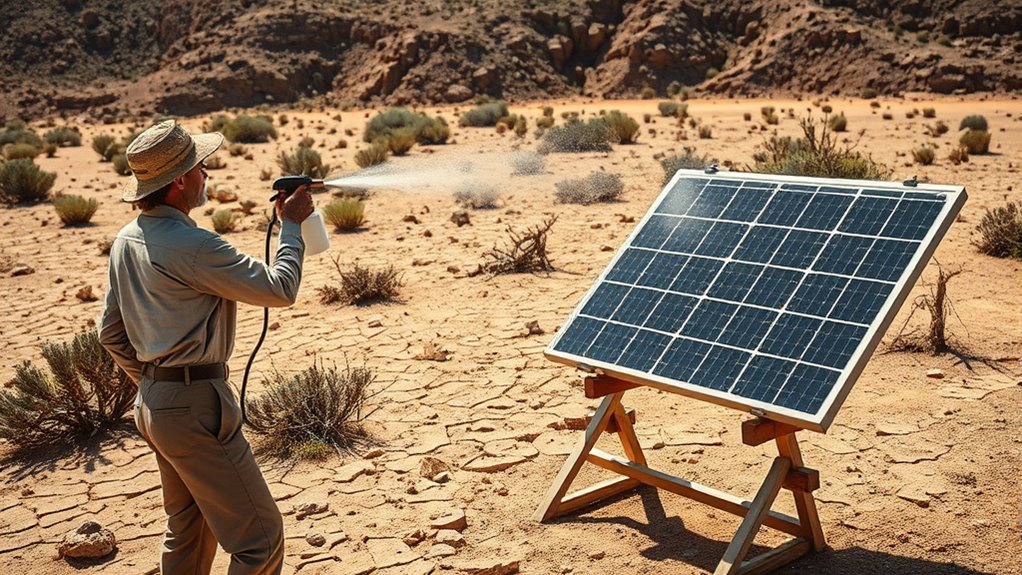
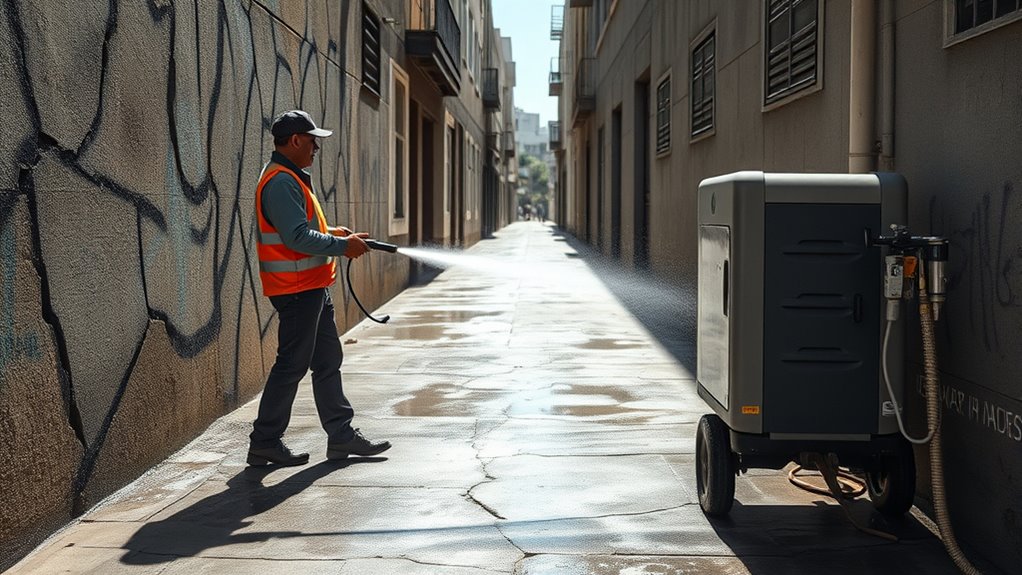
Another technique involves employing waterless or minimal-water cleaning methods. For outdoor spaces, using dry cleaning techniques, such as sweeping or blowing away debris, reduces the need for excessive hose use. When cleaning vehicles, waterless wash products are an excellent alternative—they bind with dirt and lift it away without requiring large amounts of water. These solutions are especially beneficial in drought areas where every drop counts. For indoor cleaning, using microfiber cloths instead of traditional mops or sponges means you can trap more dirt with less water, reducing overall usage while still achieving a thorough clean. Incorporating water-efficient appliances can further enhance your water-saving efforts and streamline routine chores.
In addition, implementing smart water management practices can greatly improve your water conservation efforts. For instance, reusing gray water from sinks or washing machines for outdoor watering or cleaning helps stretch your water resources further. Investing in rainwater harvesting systems is another eco friendly solution that collects and stores rainwater, which can then be used for various cleaning tasks. These strategies not only cut down on freshwater demand but also promote sustainable habits that benefit the environment. By consciously choosing low-water cleaning techniques and integrating water-saving devices, you contribute to a larger effort of conserving water in drought-prone areas, making a positive impact on your community and the planet.
Frequently Asked Questions
How Do Low-Water Cleaning Methods Compare in Effectiveness?
Low-water cleaning methods are generally effective for surface preparation, but their success depends on the grime or chemical residues present. They often use specialized tools or minimal water, reducing waste and environmental impact. While they may take a bit longer for deep cleaning, you’ll find they’re quite effective at removing chemical residues and dirt without compromising surface quality, making them ideal for drought-affected areas where water conservation matters most.
Are Low-Water Cleaning Techniques Suitable for Industrial Applications?
Yes, low-water cleaning techniques are suitable for industrial applications. For example, in a manufacturing plant, using steam cleaning reduces water use while effectively removing chemical residues. These methods are designed considering surface compatibility, ensuring they don’t damage equipment. They also handle chemical residues efficiently, making them practical for industries aiming to conserve water without compromising cleaning standards.
What Are the Cost Differences Between Traditional and Low-Water Cleaning?
You’ll find that low-water cleaning techniques often cost less upfront due to reduced water usage and equipment needs. A thorough cost analysis shows lower ongoing expenses because of decreased water bills and maintenance requirements. While traditional methods might seem cheaper initially, they usually incur higher long-term costs from water consumption and equipment wear. Switching to low-water methods helps you save money over time, making it a cost-effective choice.
Can Low-Water Cleaning Methods Be Used on Delicate Surfaces?
Think of low-water cleaning methods as a gentle breeze for your delicate surfaces. You can absolutely use these techniques on fragile materials, as they employ gentle cleaning methods that minimize damage. Just confirm you choose appropriate tools and solutions designed for delicate surface cleaning. By doing so, you protect your surfaces while conserving water, making your cleaning routine both eco-friendly and safe for sensitive materials.
How Do Low-Water Cleaning Techniques Impact Environmental Sustainability?
You can greatly boost water conservation by using low-water cleaning techniques, which reduce water usage and help preserve essential resources. These methods lessen the ecological impact, lowering runoff and chemical use that can harm ecosystems. By adopting such practices, you contribute to a more sustainable environment, minimizing your carbon footprint and supporting ecological health. Overall, low-water cleaning is a practical way to promote environmental sustainability while maintaining cleanliness.
Conclusion
By adopting low-water cleaning techniques, you can effectively maintain hygiene even in drought-affected areas. For example, imagine a rural community that switches to waterless hand sanitizers and dry cleaning methods—reducing water use by over 50%. These practices not only conserve essential water supplies but also demonstrate that sustainable cleaning is possible without sacrificing cleanliness. Embrace these innovative methods, and you’ll help protect water resources while keeping your environment safe and healthy.