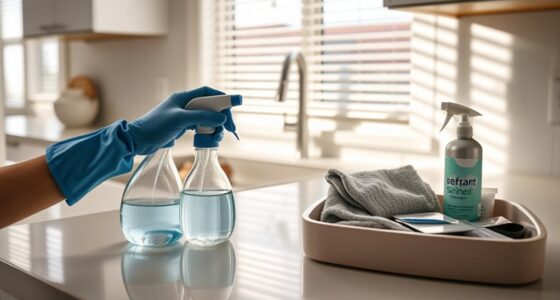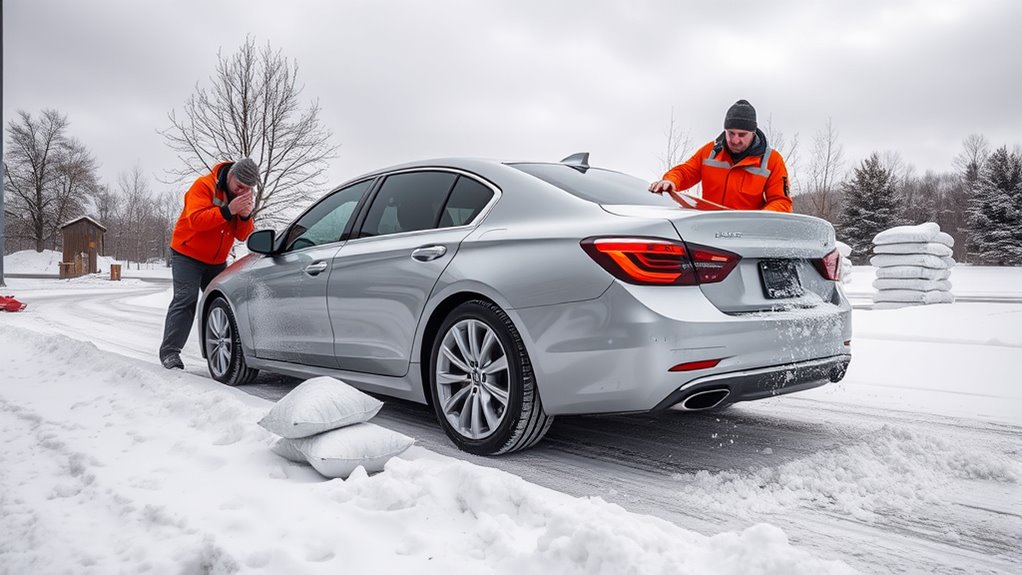

To protect your vehicle during winter, regularly wash away salt, dirt, and grime using a high-pressure hose, especially on the undercarriage and wheel wells. Consider applying protective coatings, wax, or ceramic layers to create a barrier against corrosion. Inspect seals and vulnerable spots for rust or damage and use rust inhibitors to prevent further deterioration. Proper winter upkeep with these steps can extend your car’s lifespan—learn more to keep your vehicle in top shape against winter’s harm.
Key Takeaways
- Regularly wash your vehicle thoroughly, focusing on the undercarriage, to remove salt, dirt, and grime buildup.
- Use high-pressure hoses and automotive soaps to effectively eliminate stubborn salt deposits.
- Apply protective coatings like wax, ceramic, or undercoats to create a barrier against salt and moisture.
- Inspect and treat vulnerable areas with rust inhibitors and reseal door seals to prevent corrosion.
- Schedule professional detailing and rust prevention treatments to prolong vehicle lifespan and maintain appearance.

Winter roads can be tough on your car, but proper cleanup and salt control can help protect your vehicle from damage. When driving through snow and ice, salt is often used to melt ice and improve traction. While this is beneficial for safety, it can also accelerate corrosion on your car’s metal parts if not managed properly. That’s where automotive detailing comes into play. Regular detailing isn’t just about making your car look good; it’s a vital step in salt corrosion prevention. By thoroughly cleaning your vehicle during winter, you remove layers of salt, dirt, and grime that can eat away at your paint and metal over time.
Start by giving your car a good rinse with a high-pressure hose, paying special attention to the undercarriage. Salt tends to accumulate in hidden areas, especially around wheel wells, the frame, and the suspension components. If left unchecked, these spots become breeding grounds for rust. Using a foam or wash mitt with a dedicated automotive soap helps lift and remove stubborn salt deposits. After washing, dry your vehicle thoroughly to prevent water spots and guarantee no lingering moisture can lead to corrosion. Remember, the undercarriage is particularly vulnerable, so consider using a spray undercoating or rust inhibitor after cleaning to add an extra layer of protection. Incorporating specialized protective coatings**** can further enhance your vehicle’s resistance to winter corrosion.
Rinse undercarriage thoroughly, dry completely, and apply rust inhibitor for winter protection.
Incorporating regular automotive detailing into your winter routine also involves inspecting your paintwork and applying protective coatings. Waxing your vehicle creates a barrier that prevents salt from sticking directly to the paint. A ceramic coating, if you have it, offers even more durable protection against salt corrosion. These protective layers make it harder for salt and moisture to penetrate and cause damage. Additionally, pay close attention to seals around doors and trunk lids. Damaged or worn seals can allow salt and water to seep into seams, accelerating rust formation.
Beyond cleaning, you should also keep an eye on your tires and brake components. Salt can cause corrosion in these areas as well, impacting your vehicle’s safety and performance. Regularly check for any signs of rust or deterioration and address them promptly. Investing in a good quality rust inhibitor spray and applying it to vulnerable spots can extend the life of your car during the winter months. Consistent maintenance, including professional automotive detailing, not only preserves your vehicle’s appearance but also considerably reduces the risk of costly rust repairs down the line. Proper salt control and diligent cleanup are your best defenses against winter’s damaging effects on your car.

RIDGE WASHER 16 Inch Undercarriage Car Washer, Pressure Washer Under Car Cleaner with 3 Pcs Extension Wand, 4000 PSI
DUAL COMPATIBILITY FUNCTION: Compatible with GARDEN HOSE: with stainless steel adapter for using with a garden hose, applied…
As an affiliate, we earn on qualifying purchases.
As an affiliate, we earn on qualifying purchases.
Frequently Asked Questions
How Often Should I Wash My Car During Winter?
You should wash your car at least once every two weeks during winter, especially after snowstorms or icy days. Regular washing helps remove salt and grime that can damage your vehicle. When washing, incorporate frost removal techniques like using warm water carefully to melt ice and guarantee winter tire maintenance. This routine keeps your car protected, prevents corrosion, and keeps it looking good throughout the cold months.
What Products Are Best for Removing Salt Stains?
Did you know that salt stains can cause up to 80% of car corrosion? For salt stain removal, you should use the best cleaning products like a mixture of warm water and mild dish soap or specialized automotive degreasers. Look for products with gentle, effective ingredients that lift salt residue without damaging your paint. Regularly washing your car with these products helps prevent long-term corrosion and keeps your vehicle looking its best.
Can Salt Damage My Car’s Paint Over Time?
Yes, salt can damage your car’s paint over time by causing salt corrosion. It breaks down paint protection, leading to rust and peeling. To prevent this, regularly wash your car, especially after winter storms, and apply a protective wax or coating. This creates a barrier against salt, helping preserve your paint and avoid costly repairs down the line. Stay proactive to keep your car looking new longer.
Is It Necessary to Undercoat My Vehicle for Winter?
You should definitely consider undercoating your vehicle for winter. While it might seem like an extra step, the benefits are clear: it provides rust prevention and shields your car from salt damage. Think of it as armor that protects your investment. Without it, your car’s underbody is vulnerable to corrosion, which can lead to costly repairs later. So, yes, undercoating is a smart move for winter protection.
How Can I Prevent Salt From Corroding Undercarriage Parts?
To prevent salt from corroding your undercarriage parts, regularly wash your vehicle, especially underneath, to remove salt residues. Apply a rust prevention treatment and consider an undercarriage coating for added protection. These measures create a barrier against moisture and salt, substantially reducing corrosion risks. Consistent maintenance helps preserve your vehicle’s longevity and keeps undercarriage components in good condition throughout winter.

Rust-Oleum 248658 Stops Rust Reformer Spray Paint, 10.25 oz, Matte Black
Use on any rusty, metal surface to Instantly convert rust to a flat black, paintable surface that is…
As an affiliate, we earn on qualifying purchases.
As an affiliate, we earn on qualifying purchases.
Conclusion
By staying on top of winter cleanup and salt control, you protect your car from the harshest conditions and keep it running like new. Regular washing and salt removal might seem like small tasks, but they’re your shield against winter’s relentless assault. Think of it as giving your car a superpower—nothing short of a fortress against corrosion and damage. Stay vigilant, and your vehicle will thank you with years of reliable service, no matter how brutal the winter gets.
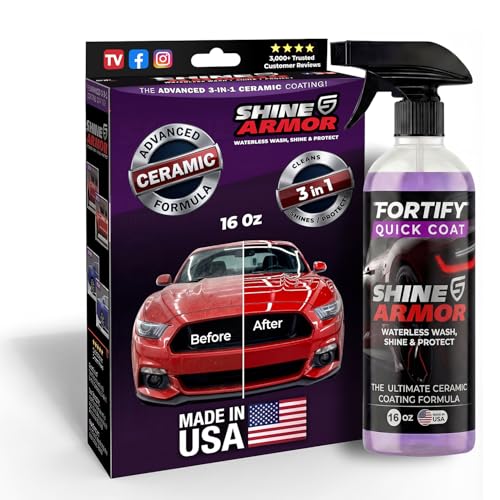
Car Wax Spray and Ceramic Coating for Cars – 3 in 1 Waterless Car Wash and Detailing – Quick Effect Coating Agent for Car – High Gloss Top Coat, Shiny Car Stuff by Shine Armor – Protective Wax 16FlOz
Mirror-Like Gloss & Made in USA: Designed as premium ceramic coating for cars, this advanced formula delivers deep…
As an affiliate, we earn on qualifying purchases.
As an affiliate, we earn on qualifying purchases.

RustKote Salt Neutralizer Aerosol, 16oz, Corrosion Protection, Attacks Corrosion, Neutralizes Brine and Road Salt, Foaming Action. Use on Carpet Floor mats, Cars, Trailers, Salt Stains, and More!
RustKote Salt Neutralizer neutralizes road salt and road brine in the Northeast like no other product on the…
As an affiliate, we earn on qualifying purchases.
As an affiliate, we earn on qualifying purchases.